
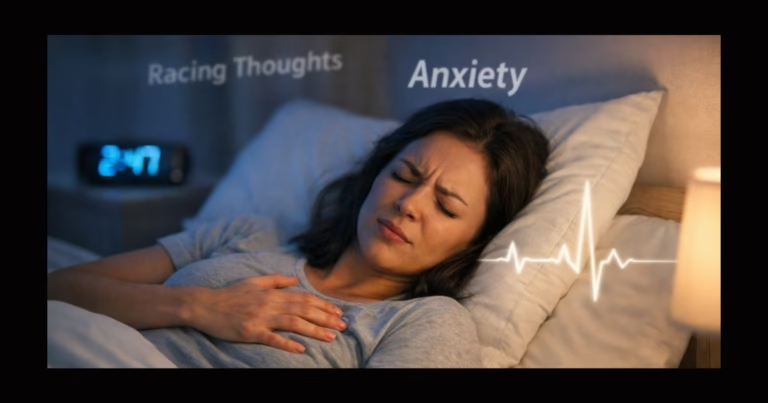
Can anxiety cause chest pain when lying down? Yes, it can — and the feeling can be intense enough to make you worry something is seriously wrong. When you lie down, your body becomes still, your thoughts grow louder, and physical sensations often feel stronger than they did during the day.
It’s completely normal to feel scared when chest pain appears, especially at night. Many people immediately fear a heart problem (American Heart Association), which only increases anxiety and makes the discomfort worse. That cycle of fear and physical tension can turn a mild sensation into something overwhelming.
In this article, you’ll learn why anxiety can trigger chest pain, why it sometimes feels worse when lying down, how to tell the difference between anxiety-related discomfort and possible heart symptoms, and when it’s important to seek medical care.
Table of Contents
Key Takeaways
When anxiety strikes, your body triggers the fight-or-flight response, releasing stress hormones like adrenaline and cortisol. These chemicals prepare you to react quickly, but they also affect your chest. Muscles around your ribs and chest tighten, making the area feel stiff or sore. At the same time, shallow, rapid breathing can increase tension, amplifying discomfort and making every heartbeat feel more pronounced (NIMH Anxiety Disorders).
Rapid breathing during anxiety alters carbon dioxide levels in your blood. This shift can create sensations of tightness or even sharp chest pain. The body’s natural balance between oxygen and carbon dioxide is temporarily disrupted, which can make anxiety-induced chest discomfort feel more intense.
Anxiety often causes prolonged muscle tightening in the chest and upper back. Poor posture or lying down can make you more aware of these sensations, highlighting tension that might otherwise go unnoticed. Over time, the combination of muscle strain and stress hormones can make chest discomfort a recurring symptom during anxious episodes.
At night, with fewer distractions, your mind naturally focuses on bodily sensations. This heightened awareness can make normal chest tightness or minor discomfort feel amplified, especially in the quiet of your bedroom.. For more insight, see why anxiety gets worse at night.
Lying flat can subtly shift blood flow and internal pressure in your chest. For some, this position may also worsen acid reflux, which can mix with anxiety-related sensations, making chest pain feel sharper or more uncomfortable.
Worries about heart problems or health can intensify anxiety. This fear feeds into panic, which in turn increases muscle tension and chest discomfort, creating a cycle that can make symptoms feel much more pronounced when you’re lying down.
Chest pain caused by anxiety can take several forms, but it’s usually not dangerous. Many people describe sharp or stabbing sensations, while others feel a heavy tightness or steady pressure across the chest. Some notice a burning feeling or pain that seems to move from one spot to another. Often, the discomfort eases when you shift your focus or engage in an activity, highlighting that it’s linked to stress rather than a serious heart issue. Understanding these patterns can help you stay calm and recognize that anxiety, though uncomfortable, is usually the cause.
Anxiety-related chest pain often appears during periods of stress or worry. It tends to improve when you relax, take slow breaths, or distract yourself. The discomfort can also shift with movement or breathing, reflecting muscle tension rather than heart issues. These patterns are usually temporary and linked to your body’s stress response.
Some warning signs indicate it’s important to consult a doctor without delay. Crushing or persistent pressure in the chest, pain radiating to the arm, neck, or jaw, shortness of breath accompanied by sweating, or dizziness may indicate a heart problem. Individuals with personal risk factors such as high blood pressure, diabetes, or a family history of heart disease should be especially cautious. When in doubt, it’s always safer to consult a healthcare professional rather than assume anxiety is the cause.
Practicing slow, deliberate breathing can calm the body’s stress response. Try inhaling for four counts and exhaling for six, allowing your chest and shoulders to relax with each breath. This simple pattern helps reduce muscle tension and eases the feeling of tightness.
Stretching the chest and upper back can relieve accumulated tension. Rolling your shoulders, opening your arms, or gently stretching your chest muscles loosens tightness and helps your body feel more at ease.
Shifting your attention away from fear can ease both mental and physical symptoms. Techniques such as noticing five things around you, focusing on textures, or counting objects in a room can redirect your mind from anxiety to the present moment.
Remind yourself that similar sensations in the past were linked to anxiety and not a heart problem. Reassuring thoughts and mindful reflection can reduce panic, helping your chest feel lighter and your mind calmer.
It’s important to seek medical attention if you experience severe chest pain for the first time, especially if it feels intense or unusual. Ongoing or worsening symptoms should also be evaluated, even if they seem linked to anxiety. A family history of heart disease increases your risk, making professional guidance crucial. Ultimately, if there’s ever any doubt about the cause of your chest pain, consulting a healthcare provider is the safest and most reassuring step.
Is anxiety chest pain dangerous?
Most anxiety-related chest pain isn’t harmful and results from muscle tension, shallow breathing, or stress hormones. However, it’s important to rule out heart problems if symptoms feel severe or unusual.
How long does anxiety chest pain last?
The duration can vary. Some episodes last only a few minutes, while others may linger for hours during intense anxiety. Symptoms often improve with relaxation, slow breathing, or distraction.
Why does anxiety chest pain happen at night?
At night, fewer distractions make you more aware of bodily sensations. Lying down can also shift pressure in the chest, making tension or minor discomfort feel more noticeable.
Can acid reflux and anxiety feel similar?
Yes. Acid reflux can cause burning or pressure in the chest, which can mimic anxiety-induced pain. Sometimes both occur together, intensifying the sensation.
When should I seek emergency care for chest pain caused by anxiety?
If you experience crushing chest pressure, pain radiating to the arm or jaw, shortness of breath with sweating, or any other concerning symptom, it’s safest to seek emergency care. When in doubt, medical evaluation is always the responsible choice.
Anxiety can indeed trigger chest pain, especially when lying down, due to heightened awareness, muscle tension, and stress responses. While these sensations are usually not dangerous, it’s normal to feel uneasy. Staying calm, practicing relaxation techniques, and addressing stress can help ease symptoms. If chest pain is persistent, severe, or accompanied by warning signs, seeking medical evaluation is essential. For recurring episodes, combining lifestyle adjustments with mental health support can provide lasting relief and reassurance.
This article, “Can anxiety cause chest pain when lying down,” is for informational and educational purposes only. It is not intended to replace professional diagnosis, treatment, or medical advice.
I’m SomAdnan — a mental health writer passionate about making psychology easy to understand. With a focus on emotional well-being and self-growth, I help readers navigate self-doubt, build confidence, and create healthier mindsets—one honest conversation at a time.