Mental Health Knowledge Hub for Anxiety, Stress & Emotional Well-Being
Easy Mental Health Guidance You Can Actually Use
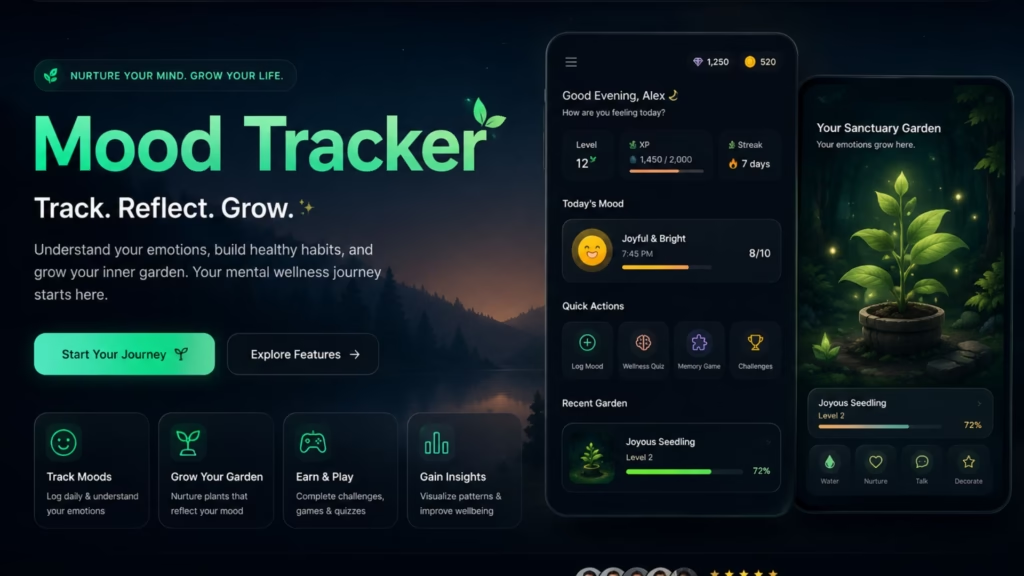
Free Mood Tracker & Habit Builder
Track your mood, understand your emotional patterns, and build habits that support a healthier daily life.Simple tools designed to help you stay consistent, focused, and emotionally aware every day.
No signup stress. No complexity. Just a simple way to understand your daily life better.
Mental health affects how we think, feel, cope with stress, build relationships, and manage everyday life. Understanding mental health can help us recognize concerns early, make informed choices, and take better care of our well-being.
The Mental Health Knowledge Hub provides clear, practical, and evidence-informed information on anxiety, depression, stress, mood disorders, emotional well-being, relationships, and other important mental health topics. Whether you’re looking for answers, support, or ways to improve your well-being, you’ll find reliable information to help you take the next step.
Daily stress and anxiety can quietly affect both mind and body. This section helps you understand triggers, recognize symptoms, and find simple ways to manage overwhelming thoughts and pressure.
Mood disorders can impact energy, motivation, and emotional balance. Here, you’ll find insights into depression and related conditions, along with ways to better understand and cope with them.
Trauma can affect thoughts, emotions, and behavior long after the experience. This section helps explain trauma responses in simple terms and highlights supportive ways to cope and begin emotional healing.
Young people face unique challenges, from academic pressure to identity development. This section highlights mental health issues affecting teens and students, along with supportive strategies.
Relationships shape emotional health in powerful ways. Explore how communication, social connections, and boundaries influence mental well-being and personal growth.
Daily habits and digital use play a major role in mental health. This section explores how routines, screen time, and lifestyle choices affect emotional balance.
Awareness is the first step toward better mental health. Learn about support systems, stigma reduction, and ways to create a more understanding and supportive environment.
Mental health influences how we think, feel, manage stress, and build relationships. Mental Health Knowledge provides clear, practical, and evidence-informed information to help you better understand your emotions and improve your mental well-being. We cover anxiety, depression, stress management, emotional health, self-esteem, healthy relationships, and self-care, offering helpful insights and coping strategies for everyday challenges. Our mission is to make mental health information easier to understand, encourage healthier habits, and help readers recognize when professional support may be needed.
Popular Mental Health Topics
Explore trusted resources on anxiety symptoms, depression, stress relief, emotional regulation, mindfulness, mental wellness, sleep health, and personal growth. Discover practical coping skills, ways to build emotional resilience, and guidance for maintaining healthy relationships. Whether you’re managing daily stress or seeking a better understanding of your mental health, we’re here to help you take informed steps toward a healthier, more balanced life.
Trusted Mental Health Resources
Access reliable information from leading mental health organizations and evidence-based resources. Learn more about mental health awareness, treatment options, psychological well-being, and emotional support through trusted sources. We believe accurate information empowers people to make informed decisions and strengthen long-term mental wellness.
Discover the 3 dimensions of mental health and learn practical ways to manage emotions, build a healthier mindset, strengthen relationships, and improve your daily well-being.
How to Use This Hub
You can explore each category based on your needs or interests. Every section connects to detailed articles that provide deeper insights, practical tips, and real-life relevance. This structure makes it easier to find the right information without feeling overwhelmed.
Why This Hub Matters
Mental health awareness helps break the stigma surrounding emotional well-being and creates a safe space for open, honest conversations. With the right knowledge and support, people can better understand their emotions, manage stress, build resilience, and recognize when they or someone they care about may need help.
FAQs
What is mental health and why is it important?
Mental health refers to your emotional, psychological, and social well-being. It influences how you think, feel, and behave in daily life. Strong mental health helps you cope with stress, build relationships, and make better decisions. Without it, even simple tasks can feel uncontrollable. If you want a deeper understanding, you can explore your internal guide on mental health basics at the World Health Organization.
What are common signs of poor mental health?
Common signs include constant sadness, anxiety, mood swings, low energy, and difficulty concentrating. You may also notice changes in sleep, appetite, or loss of interest in activities you once enjoyed. These symptoms can vary from person to person, but recognizing them early is important. For clinical details, refer to the National Institute of Mental Health.
How can I improve my mental well-being daily?
Improving mental well-being doesn’t always require big changes. Simple habits like getting enough sleep, eating balanced meals, staying active, and practicing mindfulness can make a real difference. Opening up to someone you feel comfortable with can ease emotional pressure and help you feel more supported. Building a routine around self-care is key. You can follow practical steps in your internal guide on mental health care at Mental Health Knowledge.
When should I seek professional help?
You should consider professional help when your symptoms last for weeks, interfere with daily life, or feel too difficult to manage alone. Seeking help early can prevent conditions from worsening and improve recovery. Therapists, psychologists, and psychiatrists are trained to support different mental health needs.
Can lifestyle changes really improve mental health?
Yes, lifestyle changes can have a powerful impact on mental health. Regular exercise, healthy eating, proper sleep, and limiting screen time can improve mood and reduce stress. While these changes may not replace professional treatment, they often support recovery and overall well-being.
Conclusion
Mental health is a journey that evolves with life experiences, challenges, and personal growth. By understanding different aspects of emotional well-being, individuals can take meaningful steps toward a healthier and more balanced life.