
Introduction
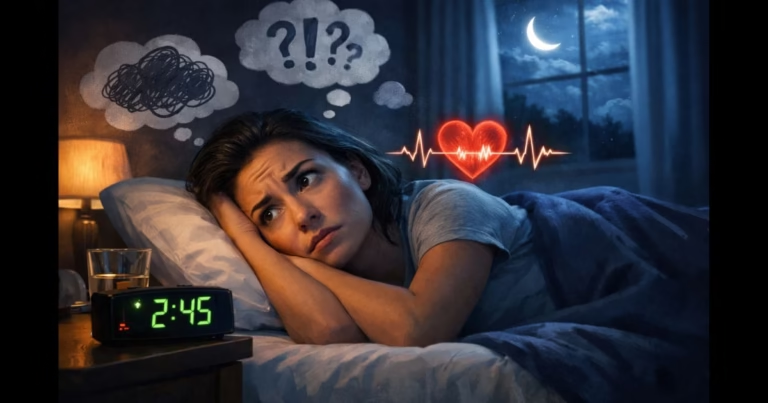
If you’ve ever wondered why anxiety gets worse at night, you’re not alone. Many people notice their thoughts feel louder, heavier, and harder to control once the day slows down. Many people notice that their thoughts feel louder, heavier, and harder to control once the day slows down. Early experiences, such as childhood emotional neglect, can also influence how anxiety shows up in adulthood. Learn more here. During the day, distractions like work, school, or conversations can keep your mind busy. But at night, when everything becomes quiet, your worries often rise to the surface.
Nighttime anxiety can feel overwhelming. Your heart may beat faster, your chest may feel tight, and your mind might replay conversations or imagine worst-case scenarios. Even small concerns can seem much bigger after sunset. This does not mean something is wrong with you. It simply means your brain is reacting to stress in a quiet environment.
In this article, you will learn why anxiety often feels stronger at night, what causes it, and simple ways to calm your mind before sleep.
Key Takeaways
- Night anxiety is a common experience that affects many people.
- The quiet of nighttime can amplify racing thoughts and worries.
- Physical symptoms, such as a racing heart or tense muscles, are real and valid.
- Establishing small nightly routines can provide comfort and stability.
- Support—from friends, family, or professionals—is always available and effective.
Table of Contents
- Why Anxiety Feels Stronger at Night
- Common Nighttime Anxiety Symptoms
- Causes of Anxiety Before Sleep
- How to Calm Anxiety at Night
- When to Seek Professional Help
- FAQs About Nighttime Anxiety
Why Anxiety Feels Stronger at Night
Many people notice that nighttime anxiety feels more intense once the day comes to an end. During busy hours, your mind stays occupied with tasks, conversations, and responsibilities. These daily distractions act like a shield, keeping worries in the background. When the distractions fade away at night, anxious thoughts often move forward and demand attention.
A quiet environment can also make anxiety before bed feel stronger. Silence gives your mind more space to wander, and small concerns may suddenly feel much bigger. Without noise or activity around you, your body becomes more aware of physical sensations. A normal heartbeat or slight tension can feel alarming, which increases worry and restlessness.
Your brain naturally shifts into reflection mode at night. This is when many people review their day, replay conversations, or think about unfinished tasks. For someone prone to anxiety, this reflection can quickly turn into racing thoughts at night. Instead of gently processing the day, the mind may jump to worst-case scenarios or future fears.
Stress hormones can also remain active long after your day is over. If you experience pressure, conflict, or overstimulation, your nervous system may still be on alert. Even though your body is tired, your brain may not feel ready to relax. This mismatch between physical exhaustion and mental alertness often makes nighttime anxiety feel stronger and harder to control.
Understanding these patterns can help you see that anxiety at night is not random. It is usually the result of how your brain responds to quiet, reflection, and leftover stress from the day.
Common Nighttime Anxiety Symptoms
Nighttime anxiety can show up in both your body and your thoughts. Some symptoms feel physical, while others happen quietly in your mind. When anxiety before bed increases, these signs may become more noticeable because your surroundings are calm and there are fewer distractions competing for attention.
Here are some common symptoms people experience:
- Rapid heartbeat
- Tight chest
- Restlessness
- Overthinking conversations
- Fear without a clear reason
- Trouble falling asleep
A rapid heartbeat or tight chest can feel frightening, especially when you are lying still in bed. Even normal body sensations may seem intense when your focus shifts inward. This does not always mean something is medically wrong, but it can make nighttime anxiety feel more serious than it actually is.
Restlessness is also common. You might toss and turn, adjust your pillow repeatedly, or feel unable to get comfortable. Your body may be tired, yet your nervous system remains alert. This can create frustration, which adds another layer of anxiety before sleep.
Overthinking conversations and replaying moments from the day often lead to racing thoughts at night. You may question what you said, worry about how others perceive you, or imagine future problems. Sometimes fear appears without a clear reason, which can feel confusing and overwhelming.
Trouble falling asleep is one of the most frustrating symptoms. The more you worry about not sleeping, the harder it becomes to relax. This cycle can repeat night after night unless you learn ways to gently calm your mind and body.
What Causes Anxiety to Spike Before Sleep?
Anxiety often feels stronger at bedtime because your mind and body are shifting from activity to rest. This transition may sound simple, but it can trigger deeper emotional and physical responses. When the day slows down, unprocessed stress, stimulation, and fear can rise to the surface. Understanding these causes can help you manage anxiety before bed more effectively.
Unfinished Stress From the Day
Stress does not disappear just because the clock says it is nighttime. If you faced pressure, conflict, deadlines, or emotional strain, your nervous system may still be activated. During the day, you may push worries aside to stay productive. At night, however, your brain tries to process everything at once, which can increase nighttime anxiety.
Unfinished tasks can also create mental tension. When your mind reviews what you did not complete, it may trigger self-criticism or fear about tomorrow. This mental replay often leads to racing thoughts at night, making it difficult to fully relax.
Too Much Screen Time
Using your phone or laptop late in the evening can quietly increase anxiety before bed. Screens stimulate your brain and keep it alert when it should be winding down. Social media, news, or work emails can also trigger comparison, worry, or emotional reactions.
Blue light from screens may reduce melatonin production, which affects sleep signals. When your body feels awake but tired, frustration builds. This overstimulated state can make small worries feel bigger and harder to control.
Caffeine or Late Meals
Caffeine stays in your system longer than many people realize. Drinking coffee, tea, or energy drinks in the afternoon may still affect you at night. Caffeine increases heart rate and alertness, which can mimic anxiety symptoms and intensify nighttime anxiety.
Heavy or late meals may also contribute. Digestion requires energy, and discomfort such as bloating or acid reflux can make it harder to settle into sleep. Physical discomfort often blends with anxious thinking, creating a cycle that feels overwhelming.
Fear of Not Sleeping
Sometimes the anxiety is not about life problems at all. It is about sleep itself. If you have struggled with insomnia before, you may start worrying about whether you will fall asleep tonight. This fear activates your stress response and keeps your body alert.
The more you try to force sleep, the more tension builds in your body. This pressure can increase anxiety before bed and turn a simple concern into a repeating pattern. Over time, your brain may begin to associate bedtime with stress instead of rest.
How to Calm Anxiety at Night
Calming anxiety at night takes intention, patience, and small consistent habits. You do not need a perfect routine to feel better. Simple changes can help your nervous system shift from alert mode into rest mode. The goal is not to force sleep, but to gently signal to your body that it is safe to relax.
Create a Wind-Down Routine
Your brain responds well to patterns and signals. When you repeat calming actions each evening, your body slowly learns that sleep is approaching. A wind-down routine can begin thirty to sixty minutes before bed.
You might dim the lights, wash your face, change into comfortable clothes, or read something soothing. Keep the routine simple and realistic so you can follow it consistently. Over time, this habit reduces anxiety before bed and prepares your mind for rest.
Try the 4-7-8 Breathing Method
Breathing exercises help calm the stress response that fuels nighttime anxiety. The 4-7-8 method is simple and can be done while lying in bed. It slows your heart rate and relaxes muscle tension.
Here is how to practice it:
- Inhale quietly through your nose for four seconds
- Hold your breath for seven seconds
- Exhale slowly through your mouth for eight seconds
Repeat this cycle four times. Slow breathing tells your brain that there is no danger, which can reduce racing thoughts at night.
Journal Your Thoughts
An anxious mind often feels crowded with unfinished worries. Writing your thoughts down can create mental space and reduce overthinking. You do not need perfect sentences or deep analysis.
Simply write what is bothering you and what you can handle tomorrow. This small act gives your brain permission to pause. Journaling can be especially helpful if nighttime anxiety is linked to unfinished tasks or emotional stress from the day.
Reduce Phone Use Before Bed
Screens keep your brain alert and engaged when it should be slowing down. Scrolling through social media or reading stressful news can increase anxiety before sleep. Even bright light alone can delay your natural sleep signals.
Try putting your phone away at least thirty minutes before bed. Replace screen time with something calming, such as gentle music, stretching, or reading a printed book. This small shift can make a noticeable difference in how your body feels at night.
Practice Gentle Self-Talk
Anxiety often becomes louder when you criticize yourself for feeling anxious. Instead of fighting the feeling, try speaking to yourself with calm reassurance. Remind yourself that nighttime anxiety is common and temporary.
You might say, “This feeling will pass,” or “My body is just reacting to stress.” Gentle self-talk reduces internal pressure and helps your nervous system settle. When you respond with kindness rather than fear, anxiety loses some of its intensity.
When to Seek Professional Help
Nighttime anxiety is common, but there are times when extra support becomes important. If your symptoms feel intense, frequent, or difficult to manage on your own, speaking with a professional can make a meaningful difference.
If anxiety happens almost every night and does not improve with coping strategies, it may be helpful to consult a licensed therapist or medical provider. Ongoing sleep disruption can slowly affect your mood, energy, and concentration.
Panic attacks are another sign that you may need additional support. Sudden fear, chest tightness, dizziness, or feeling out of control should not be ignored. According to the National Institute of Mental Health, anxiety disorders are highly treatable with proper care and guidance.
Severe insomnia that lasts for weeks can also signal a deeper issue. If anxiety begins to affect your ability to function during the day, professional evaluation is recommended. The Mayo Clinic’s overview of anxiety symptoms and causes Seeking support for anxiety is a positive step, not a sign of weakness. With the right support, nighttime anxiety can become manageable and restful sleep can return.
FAQs
Does anxiety often intensify during nighttime hours?
Yes, it’s quite common. Nighttime removes distractions, making worries more noticeable, which can intensify anxious feelings.
Can anxiety cause insomnia?
Absolutely. Anxiety can disrupt sleep patterns, making it harder to fall asleep or stay asleep through the night.
Why do I panic when I lie down?
Lying down can trigger heightened awareness of bodily sensations and racing thoughts, which may spark panic or restlessness.
How long does nighttime anxiety last?
Duration varies. For some, it’s brief, lasting minutes, while for others it can continue throughout the night, depending on stress levels and coping strategies.
Conclusion
Nighttime anxiety is a common challenge, and understanding why it intensifies at night can help you regain a sense of control. Quiet hours often amplify racing thoughts and physical tension, but small routines, mindful breathing, and gentle self‑talk can make a noticeable difference. Since late‑night phone use and blue light can contribute to both anxiety and sleep disruption, learning how smartphones affect mental well‑being can be especially helpful (you can read more on that here. Remember, seeking support—whether from loved ones or a professional—is a constructive step, not a sign of weakness. With consistent habits and compassionate self‑care, nighttime anxiety can become manageable, and restful sleep can return.
Disclaimer
This article, “Why Does My Anxiety Get Worse at Night?,” is for informational and educational purposes only. It is not intended to replace professional diagnosis, treatment, or medical advice.
Author
I am a mental health writer and blogger dedicated to helping readers understand anxiety and emotional well-being. She explores practical strategies and insights to support healthy habits and mental resilience. Learn more about her work at Mental Health Knowledge.

Promote positivity and mental health awareness with these 36 motivational silicone wristbands. See here