
Introduction
It’s late at night, and instead of drifting off to sleep, your mind races through endless thoughts. Memories, worries, and “what-ifs” spin in your head, making it impossible to relax. This experience of restless thinking is known as racing thoughts, and it can feel fast, repetitive, and completely overwhelming. If you’ve ever lain awake feeling trapped in your own mind, you know how frustrating it can be. Learning how to calm racing thoughts is essential for better sleep, focus, and emotional balance.
Many people struggle with this, especially during stressful periods or when life feels chaotic. Research shows that stress and anxiety can trigger these mental loops, keeping the mind active long after the day ends (American Mental Health Association).
Fortunately, there are practical strategies that can help you slow down your thoughts and regain control. Techniques backed by science, including mindfulness and cognitive exercises recommended by the National Institute of Mental Health, can reduce the intensity of racing thoughts.
In this article, we’ll explore simple, actionable ways to calm your mind, so you can finally feel at ease and enjoy restful sleep, even when stress tries to take over.
Table of Contents
- Introduction
- Why Do Racing Thoughts Happen?
- Stress and Anxiety Overload
- Lack of Distraction
- Sleep and Hormone Changes
- How to Calm Racing Thoughts Quickly
- Write Everything Down
- Slow Your Breathing
- Focus on the Body, Not the Mind
- Replace the Thought — Don’t Fight It
- Daily Habits That Help Calm Racing Thoughts Long-Term
- Reduce Stimulation at Night
- Create a Wind-Down Routine
- Schedule “Worry Time” During the Day
- When Racing Thoughts Might Be Something More
- Frequently Asked Questions
- Conclusion
Key Takeaways
- Racing thoughts are common, often caused by stress, fatigue, or quiet moments when the mind has nothing else to focus on.
- Simple techniques like writing down thoughts, slow breathing, grounding exercises, and redirecting attention can calm racing thoughts effectively.
- Daily routines—reducing night stimulation, maintaining a wind-down ritual, and scheduling “worry time”—help prevent persistent mental loops.
- If racing thoughts are constant or overwhelming, consulting a mental health professional is a proactive, supportive step.
- Consistency and small steps matter more than perfection—practicing calming strategies regularly improves sleep, focus, and overall mental balance.

Why Do Racing Thoughts Happen?
Understanding why your mind races is the first step toward calming it. Several factors—from stress to sleep patterns—can keep thoughts spinning uncontrollably.
Stress and Anxiety Overload
When under pressure, the brain goes into overdrive, constantly trying to solve problems. This heightened alertness can make thoughts feel faster and never-ending.
Stress hormones like cortisol amplify this effect, making it difficult for the mind to relax. Even small worries can spiral into a cascade of racing thoughts.
Lack of Distraction
Silence can make your thoughts feel louder. When the brain isn’t engaged, worries or repetitive thinking often take center stage, intensifying mental chatter.
Engaging in gentle activities or mindful focus can help break this loop, providing the mind with something constructive to latch onto.
Sleep and Hormone Changes
Fatigue affects your ability to regulate thoughts. Poor sleep or hormone fluctuations can worsen mental loops, making it even harder to calm racing thoughts.
Hormonal shifts, especially in cortisol and melatonin, directly impact alertness and stress, which explains why racing thoughts often hit hardest at night.
How to Calm Racing Thoughts Quickly
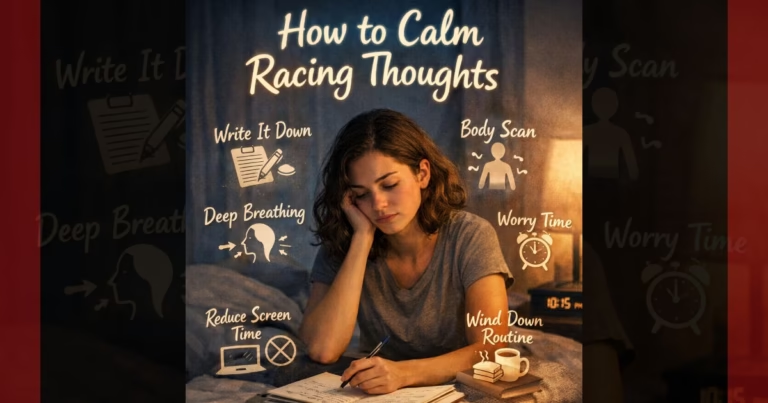
When your mind won’t slow down, practical strategies can help. Learning to redirect focus, relax the body, and organize your thoughts is key to calm racing thoughts.
1. Write Everything Down
Jotting down worries or to-dos is a simple “brain dump” technique. Writing releases mental pressure and prevents thoughts from looping endlessly in your head.
Seeing your concerns on paper gives perspective, helping your mind let go. This method reduces anxiety and makes racing thoughts feel manageable.
2. Slow Your Breathing
Breathing exercises, like inhaling for four counts and exhaling for six, signal the body to relax. Controlled breathing slows both heart rate and mind activity.
By calming the nervous system, this technique naturally eases racing thoughts. Practicing daily reinforces relaxation even in stressful moments.
3. Focus on the Body, Not the Mind
Shifting attention to physical sensations, such as a body scan, helps anchor awareness. Grounding exercises like the 5-4-3-2-1 method reconnect you to the present moment.
This approach interrupts mental loops, allowing your mind to slow down without forcing thoughts away, creating space for calm and clarity.
4. Replace the Thought — Don’t Fight It
Trying to stop thoughts outright often backfires. Instead, gently redirect attention to neutral anchors, like counting, imagery, or soft phrases, to regain control.
This method prevents escalation, helping racing thoughts fade naturally. Accepting the presence of thoughts while guiding focus promotes long-lasting mental calm.
Daily Habits That Help Calm Racing Thoughts Long-Term
Building consistent routines can prevent your mind from spiraling. Small, intentional habits reduce stress and support mental clarity, making it easier to calm racing thoughts.
Reduce Stimulation at Night
Avoid screens, caffeine, and late-night scrolling. Bright lights and constant notifications overstimulate the brain, keeping thoughts active when you want to relax.
Creating a calmer environment signals the body it’s time to wind down, supporting both sleep quality and long-term mental calm.
Create a Wind-Down Routine
Establish a consistent bedtime and include soothing activities, such as reading, light stretching, or journaling. Repetition helps the brain recognize it’s time to relax.
A gentle pre-sleep routine trains the mind to let go of stress, reducing the frequency and intensity of racing thoughts over time.
Schedule “Worry Time” During the Day
Set aside a short period, like 15 minutes, to intentionally think through concerns. This prevents them from taking over at night.
Acknowledging worries in a controlled way gives the brain permission to release them afterward, keeping racing thoughts from overwhelming your evenings.
When Racing Thoughts Might Be Something More
Sometimes, persistent racing thoughts can signal underlying issues like anxiety, chronic stress, or insomnia. Anxiety can also produce physical symptoms, including chest discomfort when lying down, which you can read more about at Mental Health Knowledg.
Remember, seeking help doesn’t mean something is “wrong” with you—it’s a proactive step toward better sleep, focus, and emotional balance, giving your mind the guidance it needs.
FAQs
Can anxiety cause racing thoughts?
Yes. Anxiety triggers heightened alertness, which can make thoughts spin rapidly. Managing stress and practicing calming techniques often helps reduce this effect.
Why are racing thoughts worse at night?
At night, the brain has fewer distractions, and fatigue or hormone fluctuations can make mental loops feel louder and harder to control.
How long do racing thoughts last?
The duration varies. They may last minutes or persist for hours. Consistent relaxation routines and stress management strategies help shorten these episodes.
Can breathing exercises really calm racing thoughts?
Absolutely. Slow, controlled breathing signals the nervous system to relax, reducing mental chatter and helping the mind focus on the present moment.
Conclusion
Racing thoughts are a common experience, especially during stress or fatigue. Small, intentional steps—like writing, grounding, and mindful routines—can make a real difference.
Consistency is key, and over time, these practices can help your mind feel calmer and more balanced. Remember, it’s normal to struggle occasionally, and taking proactive steps is a sign of care, not weakness.
Disclaimer
This article, “How to Calm Racing Thoughts (Simple Ways That Actually Help),” is for informational and educational purposes only. It is not intended to replace professional diagnosis, treatment, or medical advice.
About Author
I’m SomAdnan — a mental health writer passionate about making psychology easy to understand. With a focus on emotional well-being and self-growth, I help readers navigate self-doubt, build confidence, and create healthier mindsets—one honest conversation at a time.