
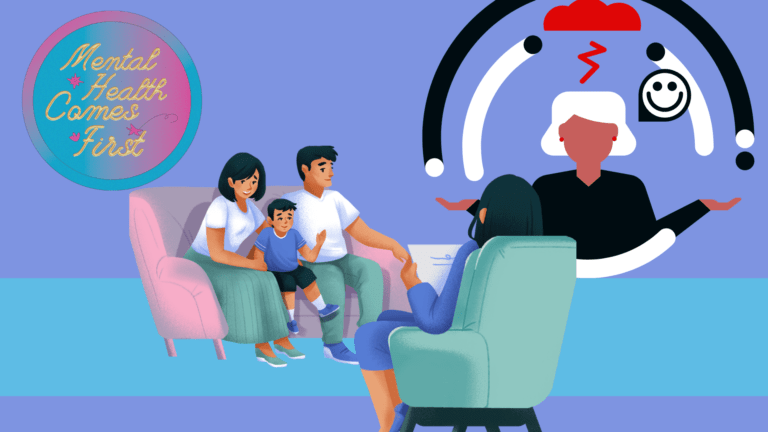
Mental health care in the workplace is becoming essential as modern work environments place increasing pressure on employees across all industries. Fast deadlines, heavy workloads, and limited emotional support make it difficult for many professionals to stay motivated and balanced. When stress is ignored, it often leads to burnout, affecting productivity and overall well-being. By understanding workplace stress and taking preventive steps, organizations can create healthier environments where employees feel valued, supported, and capable of performing their best every day.
Workplace stress refers to the mental and physical pressure employees experience when job demands exceed their ability to cope effectively. It often develops when workloads are unreasonable, deadlines are too tight, or employees feel they have little control. Poor communication and unresolved conflicts also contribute to stress. Understanding these causes helps organizations recognize problems early and improve mental health care in the workplace through supportive policies and realistic expectations.
When workplace stress continues for long periods, employees may experience noticeable physical, emotional, and behavioral changes. Physical symptoms include headaches, fatigue, and poor sleep quality, which reduce daily energy. Emotional effects often involve anxiety, irritability, and feelings of hopelessness. Behavioral signs include reduced performance, frequent absences, and withdrawal from teamwork. Recognizing these early warning signs allows organizations to address stress before it develops into serious burnout issues.
Burnout is a state of long-term emotional, physical, and mental exhaustion caused by prolonged workplace stress. It often appears as difficulty concentrating, negative attitudes toward work, and constant tiredness. Employees experiencing burnout may also develop physical illnesses linked to stress, such as digestive problems or frequent headaches. Addressing burnout early is critical to maintaining employee mental health and creating a sustainable, productive workplace environment.
Burnout significantly impacts mental health by increasing the risk of anxiety, depression, and emotional exhaustion. Employees may lose interest in their roles and feel disconnected from their work purpose. Over time, job satisfaction decreases, and motivation declines. High burnout levels often lead to increased employee turnover, which raises recruitment and training costs. Prioritizing mental health care in the workplace helps protect employees while supporting long-term organizational success.
Open communication plays a vital role in reducing workplace stress and supporting employee mental health. When employees feel safe sharing concerns, stressors can be identified early and managed effectively.
Key benefits of open communication include:
Managers who actively listen help employees feel respected and understood.
Flexible work options support work-life balance and reduce stress-related pressure for many employees. Allowing remote work can reduce commuting stress and increase personal comfort. Flexible working hours also help employees manage family responsibilities and personal needs. These arrangements improve focus, reduce anxiety, and support workplace well-being. When flexibility is encouraged, employees feel trusted, which positively affects morale, productivity, and overall mental health.
Employee Assistance Programs provide confidential support for workers facing personal or professional challenges. These programs often include counseling services, stress management tools, and access to mental health professionals. Offering such resources shows employees that their well-being matters. According to Mental Health America, workplace mental health support improves emotional resilience and reduces burnout risk across organizations.
Allowing mental health days helps employees recover from emotional exhaustion without fear of judgment. This practice reduces stigma around mental health discussions and encourages self-care. Employees who take time to recharge often return more focused and engaged. Mental health days also prevent long-term burnout by addressing stress early. Supporting this practice strengthens trust and promotes a healthier work culture centered on understanding and empathy.
Recognizing employee efforts improves motivation, confidence, and job satisfaction. Simple appreciation, whether verbal or formal, makes employees feel valued.
Effective recognition practices include:
Regular recognition strengthens workplace relationships and reduces emotional stress.
Team-building activities encourage collaboration and strengthen workplace connections. When employees build positive relationships, communication improves and conflicts decrease. Activities such as group discussions or problem-solving exercises reduce isolation and enhance cooperation. Strong team bonds create a sense of belonging, which is essential for mental health care in the workplace and long-term organizational stability.
Organizations can offer workshops that teach practical stress management techniques. These sessions may focus on mindfulness, time management, and healthy coping strategies. Employees who learn how to manage stress feel more confident handling daily challenges. According to Harvard Health, stress-reduction practices improve mental clarity and emotional balance, supporting workplace well-being and productivity.
Training managers to recognize signs of stress and burnout improves early intervention. Leaders who understand employee mental health can respond with empathy and appropriate support. Effective leadership training equips managers with tools to encourage open conversations and promote balance. This proactive approach strengthens trust, reduces burnout, and reinforces a supportive workplace culture for all employees.
Addressing workplace stress requires long-term commitment, not temporary solutions. By prioritizing mental health care in the workplace, organizations can reduce burnout, improve productivity, and strengthen employee satisfaction. Open communication, flexible work policies, mental health resources, and supportive leadership create healthier environments where employees thrive. As work culture continues evolving, investing in employee well-being is essential for sustainable success and resilient, motivated teams.