Anxiety Disorders: Causes, Symptoms, and Ways to Manage Anxiety
Understanding anxiety and stress starts with recognizing how your mind and body respond to pressure, uncertainty, and difficult experiences. This category explores why anxious feelings develop, what can make stress harder to manage, and how these experiences may affect relationships, concentration, sleep, and everyday decisions. You will find practical guidance on calming racing thoughts, responding to emotional triggers, setting healthy boundaries, and developing coping skills supported by psychological research. Our goal is to help you understand your emotional needs, develop healthier ways to face daily pressures, and find practical steps toward better mental well-being. For further trusted information, you can explore resources from the World Health Organization.
What Are Anxiety Disorders?
Anxiety disorders are more than occasional stress or worry. They are persistent conditions that affect how we think, feel, and behave. Common types include Generalized Anxiety Disorder, Panic Disorder, Social Anxiety, and Performance Anxiety. Recognizing the difference between normal anxiety and a disorder is the first step toward effective management.
Common Anxiety Disorder Symptoms
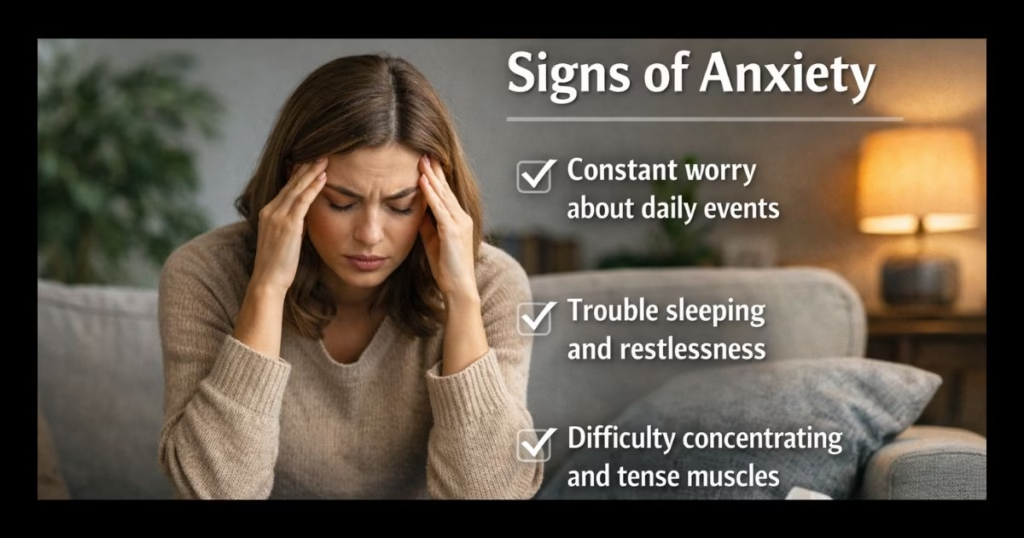
Symptoms of anxiety disorders vary, but common experiences include racing thoughts, chest tightness, restlessness, overthinking, sleep disturbance, and panic attacks. Identifying these symptoms early can help you find effective strategies to cope.
Learn the common symptoms of anxiety disorders, including emotional, physical, and behavioral signs. Discover how anxiety affects daily life and when to seek support for better mental well-being.
Discover why public speaking can trigger intense nervousness, from fear of judgment to social anxiety, and learn simple ways to build confidence before speaking in front of others.
Sunday night anxiety is a common feeling of stress that appears before the new work week begins. It can cause racing thoughts, sleep issues, and emotional tension. Learn its symptoms, causes, and simple ways to feel calm again.
After a panic episode, the mind often feels shaken, tired, and emotionally sensitive. This article explores gentle, natural ways to calm your thoughts, regain balance, and reset your mental state after overwhelming anxiety. How to Reset Your Mind After a Panic Episode Naturally
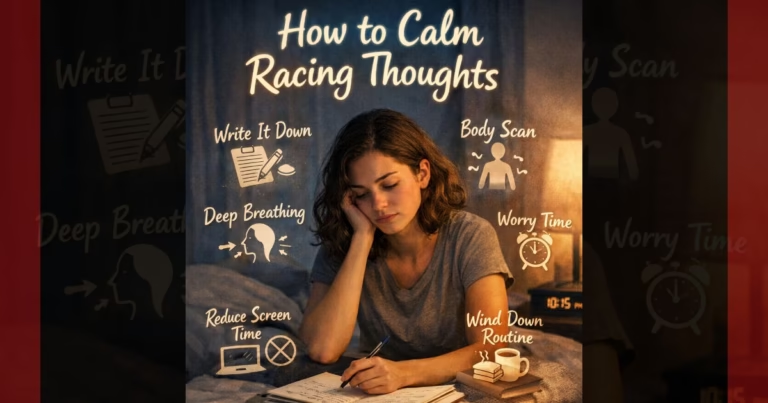
Many people with anxiety experience racing thoughts, where the mind jumps quickly from one worry to another. This can make it difficult to relax, focus, or fall asleep. Learning how to calm racing thoughts is an important step toward managing anxiety effectively.
Chest tightness is a common physical symptom of anxiety. It may feel alarming and can sometimes be mistaken for a heart problem. Understanding why anxiety causes chest discomfort can help reduce fear and improve coping strategies.
Overthinking often happens when anxiety keeps the mind stuck on worst-case scenarios. Thoughts repeat again and again, making it hard to relax or make decisions. Learning how to stop overthinking can improve mental clarity and emotional balance. Read the full article here: How to Stop Overthinking
Causes of Anxiety
Anxiety disorders can develop from a combination of genetic, environmental, and psychological factors. Trauma, chronic stress, financial pressures, and environmental concerns like eco-anxiety all play a role. Understanding the root causes helps in choosing the right treatment or coping strategies.
Chronic stress can wear down your mind and body over time. Recognizing triggers and using coping strategies helps restore balance and improve overall well-being. Read the full article here: Chronic Stress Management
Eco-anxiety comes from worry about environmental issues and the future. Understanding these feelings and taking mindful action helps reduce stress and promotes resilience. Read the full article here: Eco-Anxiety
Financial worries can affect your mood, sleep, and relationships. Learning to manage money stress and create practical solutions eases anxiety and boosts confidence.
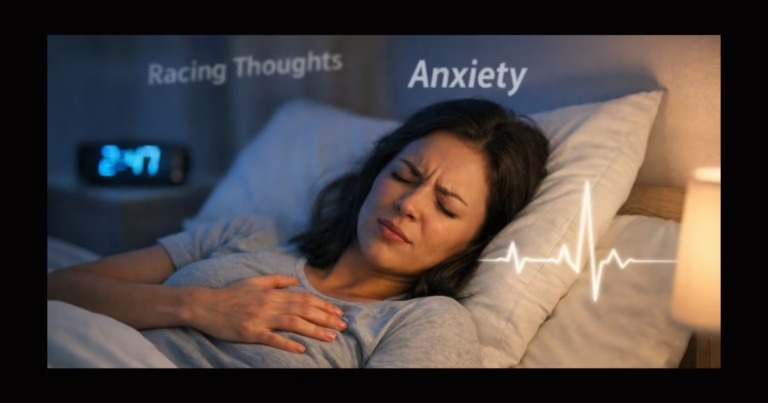
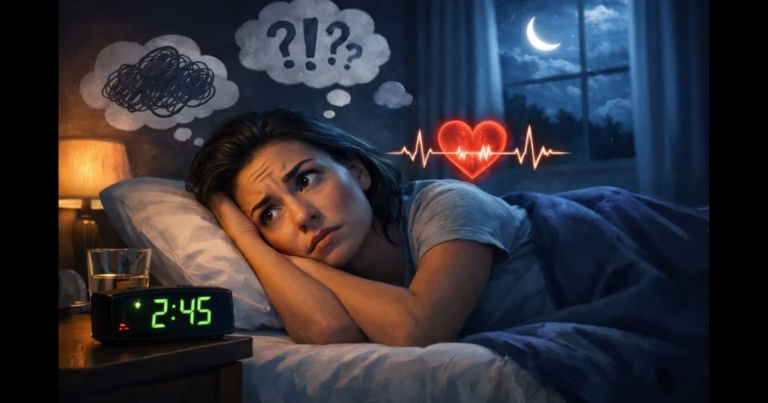
Many people notice anxiety intensifies at night when the world is quiet, and thoughts become louder. Poor sleep, unresolved stress, and racing thoughts can contribute. Learn more in our detailed article on nighttime anxiety.
Promote positivity and mental health awareness with these 36 motivational silicone wristbands. See here
FAQs
About Anxiety
What are the most common symptoms of anxiety disorders? Common symptoms include constant worry, restlessness, trouble sleeping, difficulty concentrating, rapid heartbeat, and feeling overwhelmed in everyday situations.
What causes anxiety disorders? Anxiety can develop from several factors, including genetics, stressful life experiences, financial pressure, health concerns, or ongoing emotional stress.
Can anxiety disorders be treated? Yes. Anxiety disorders can be managed through therapy, stress management techniques, healthy lifestyle habits, and professional mental health care when needed.
How can I reduce anxiety naturally? Practicing mindfulness, exercising regularly, improving sleep habits, and limiting exposure to stressful information can help reduce anxiety levels.
Conclusion
Anxiety can appear in many forms, from overthinking and financial stress to worries about the future of the planet. Understanding these challenges is the first step toward improving emotional well-being. By learning about different anxiety triggers and coping strategies, individuals can develop healthier ways to manage stress and protect their mental health.