Modern lifestyle habits and digital behavior can significantly influence mental health, often in both positive and negative ways. Excessive screen time, social media pressure, and irregular routines may increase stress or reduce focus. This category explores how daily lifestyle choices and technology use impact emotional well-being, while offering practical ways to build healthier habits, improve balance, and reduce digital overload.
According to the World Health Organization, mental well-being is influenced by a range of social and behavioral factors, including daily habits and environment. When used mindfully, they can support balance, but when overused, they may increase stress, anxiety, and disconnection.
Discover whether caffeine can trigger panic attacks and why some people are more sensitive to its effects. This guide covers symptoms, causes, caffeine sources, and helpful strategies for managing anxiety-related reactions..
Discover how digital therapy supports mental health through online counseling, mental wellness apps, and virtual care. Learn about its benefits, challenges, and role in improving emotional well-being.
Discover how a healthy morning routine can improve mental health, boost mood, reduce stress, and increase daily focus. Learn simple habits that support emotional well-being and create a positive start to the day.
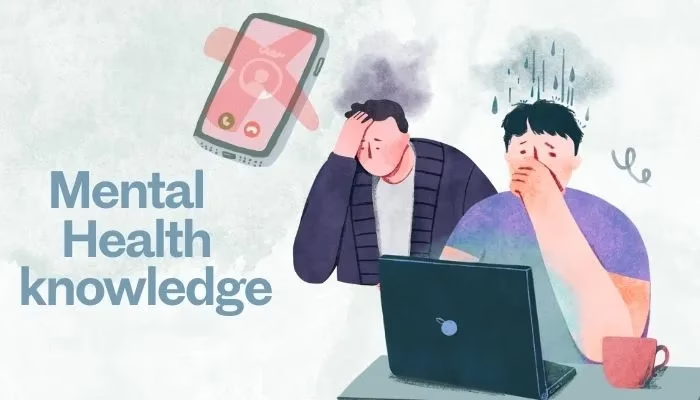
Smartphones have transformed communication and access to information. However, constant notifications and endless scrolling can overstimulate the mind. Over time, this can reduce focus, disrupt sleep, and increase feelings of anxiety.
Social media platforms can help people stay connected, but they also create pressure to compare lifestyles. This comparison can lower self-esteem and contribute to feelings of loneliness, especially among young users.
Taking breaks from digital devices allows the mind to reset. A digital detox helps reduce stress, improve focus, and reconnect individuals with real-life experiences, making it an important habit for mental clarity.
Spending long hours in front of screens can affect both mental and physical health. Excessive screen time is often linked with poor sleep quality, eye strain, and reduced real-life interaction, all of which influence emotional stability.
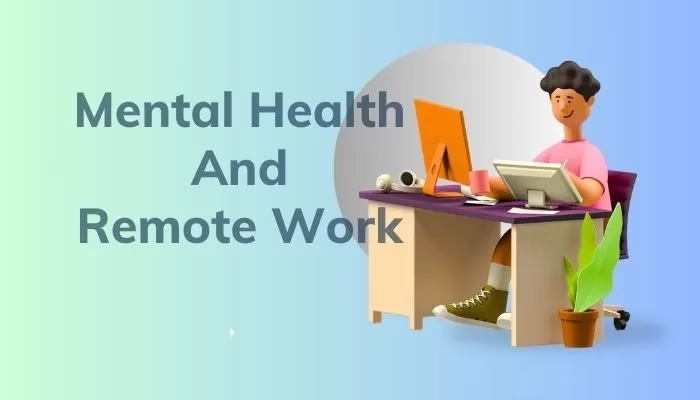
Remote work offers flexibility, yet it can blur the boundaries between personal and professional life. Without clear limits, it may lead to burnout, isolation, and difficulty maintaining a healthy routine.
Food plays a significant role in mental health. Nutritional psychiatry focuses on how diet affects brain function. Balanced nutrition supports mood stability, energy levels, and overall emotional well-being.
Artificial intelligence is becoming a growing part of mental health care. AI tools can assist in early detection, provide support through chat systems, and improve access to care for people who may not seek traditional therapy.
Creative expression through art helps individuals process emotions in a safe way. Art therapy is often used to reduce stress, improve self-awareness, and support healing without relying solely on words.
Final Thoughts on Lifestyle, Technology & Mental Health
Lifestyle choices and technology are now a constant part of daily life, influencing how people think, feel, and interact with others. Healthy routines can support emotional balance and stability, while excessive screen time or unstructured habits may slowly affect mental well-being. The key is not avoiding technology, but using it with awareness and control. Small, consistent changes in daily habits can make a real difference in protecting mental health and building a more balanced life.