Healthy relationships play a major role in emotional stability and overall mental well-being. Communication issues, boundaries, conflicts, or social pressure can sometimes create emotional strain. This section explores how relationships affect mental health and how to build stronger connections through better communication, emotional awareness, and healthy boundaries. It also focuses on improving friendships, family relationships, and social confidence.
According to global health experts at theWorld Health Organization (WHO), social well-being and strong relationships are essential for overall mental health.
Discover how overthinking affects relationships, trust, and emotional well-being. Learn why it happens and explore strategies for developing healthier relationship habits and stronger connections.
Many people notice they get attached to others very quickly, even when they don’t want to. This usually comes from emotional needs, past experiences, low self-esteem, or attachment patterns formed early in life. Psychology shows that these feelings are often linked to how we seek safety, love, and validation in relationships.
A deep look into why the mind keeps replaying conversations and social moments long after they end. It explains the psychological triggers behind overthinking, such as self-awareness, anxiety, and fear of judgment, along with simple ways to break the cycle and feel more mentally at ease in social situations.
An exploration of the hidden psychological reasons people judge or criticize others in everyday life. It breaks down how personal beliefs, insecurities, and social comparison shape judgment, while offering insight into how awareness can reduce negativity and encourage more understanding behavior.
Social interactions can quietly drain your mental energy, especially when you’re overthinking, masking emotions, or trying to meet expectations. This emotional fatigue builds up over time, leaving you feeling tired, overwhelmed, and mentally wiped out. Recognizing this pattern is the first step toward restoring balance and protecting your social energy.
ome relationships slowly turn harmful through constant criticism, manipulation, or emotional neglect. Over time, they can damage self-esteem, increase stress, and leave you feeling drained or anxious. Noticing these patterns early is key to protecting your emotional well-being and choosing healthier connections.
Unintentional social isolation often develops quietly, as people begin avoiding interactions without realizing it. This topic explores why you isolate yourself, the hidden emotional triggers behind it, and how it can impact your mental health and daily life.
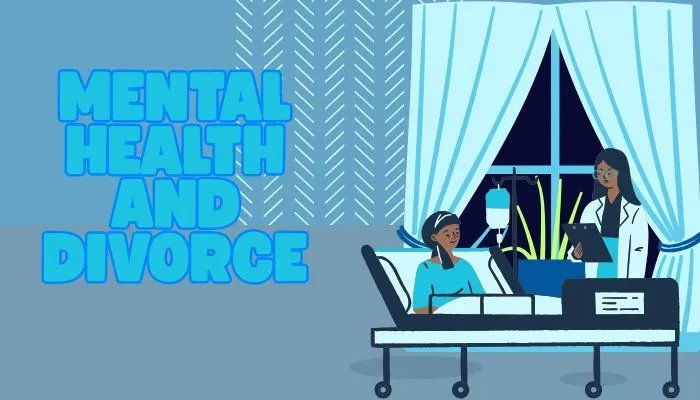
Divorce can deeply affect emotional well-being, often bringing grief, anger, confusion, and stress as life changes unfold. It’s a major transition that takes time to process and adjust to. With the right support and mindset, it can also become a path toward healing, stability, and personal growth.
Single parenting comes with unique responsibilities and pressures. Balancing work, childcare, and personal needs can feel overwhelming at times. Despite these challenges, many single parents build strong, nurturing environments for their children.
However, it’s important to acknowledge the emotional load and prioritize self-care. Support systems, whether family, friends, or community resources, can make a significant difference.
Codependency often develops quietly, where one person starts over-prioritizing others’ needs while neglecting their own. It can lead to emotional exhaustion, difficulty setting boundaries, and feeling responsible for others’ feelings. Over time, this imbalance may lower self-worth and create unhealthy relationship patterns.
Parenting brings joy, but it can also be emotionally draining due to constant responsibilities and pressure. A parent’s mental well-being directly affects how calmly and effectively they guide their children. Taking care of emotional health and seeking support when needed helps create a more balanced, patient, and healthy family environment.
Friendships are a vital part of emotional well-being. Strong social bonds can reduce stress, increase happiness, and provide a sense of belonging. Unlike other relationships, friendships often offer a space for mutual support without obligation.
However, maintaining meaningful friendships requires effort, communication, and emotional openness. Healthy friendships can act as a buffer during difficult times and enhance overall life satisfaction.
Setting emotional boundaries is essential for maintaining healthy relationships. Boundaries help define what feels comfortable and acceptable, allowing individuals to protect their mental and emotional space.
Without clear boundaries, people may feel overwhelmed, taken for granted, or emotionally drained. Learning to communicate limits respectfully can strengthen relationships while preserving personal well-being.
Relationships influence nearly every aspect of life, from daily mood to long-term mental health. Positive connections can bring comfort, stability, and purpose, while negative ones may contribute to stress and emotional strain.
At the same time, social well-being is not about having many relationships—it’s about having meaningful and supportive ones. Building awareness around relationship patterns helps in creating healthier, more balanced connections.
Explore More
Understanding relationships is an ongoing journey. Each connection teaches something new about communication, trust, and emotional balance. By learning about different relationship dynamics, you can make more informed choices that support your well-being.
Take time to reflect on your relationships, strengthen the positive ones, and gently step away from those that no longer serve your growth.