

Mental health care is important for students navigating the constant demands of modern education. Academic pressure can affect emotional and psychological well-being, making support systems essential for thriving in school and beyond.
In many cases, academic pressure is closely linked with anxiety, which is why learning how stress affects mental health is important.
In many educational settings, students face mounting expectations from exams, grades, and competitive programs. Without proper support, this pressure can quickly turn into stress that affects both learning and personal growth.
Academic pressure does not always appear suddenly. In many cases, it builds gradually, making it harder for students to recognize when stress is becoming harmful. Paying attention to early warning signs can prevent long-term emotional strain.
Students may begin to feel constantly overwhelmed, even when their workload has not significantly increased. Small academic tasks might start to feel exhausting, and motivation can slowly decline.
Another common sign is a shift in behavior. Students who were once active and engaged may withdraw from social interactions or lose interest in activities they previously enjoyed.
Physical symptoms can also appear, including headaches, fatigue, or frequent sleep disturbances. These signs often indicate that the body is reacting to prolonged stress.
Several elements can intensify the strain on students:
Each factor can contribute to emotional and psychological challenges if students lack guidance and coping strategies.
Prolonged academic pressure can negatively impact mental wellness, highlighting the need for early intervention. Stress without relief may lead to anxiety, burnout, or more serious mental health concerns, affecting both school performance and overall quality of life.
Academic pressure does not stay limited to classrooms or study hours. It often spills into everyday routines, shaping how students think, feel, and behave throughout the day.
For instance, students may struggle to relax even during free time, constantly thinking about upcoming exams or unfinished tasks. This ongoing mental load can reduce their ability to enjoy simple moments. Additionally, relationships may be affected. Students under pressure might become irritable or distant, making it harder to connect with family and friends.
Over time, this imbalance can disrupt daily habits such as eating, sleeping, and maintaining personal routines. When these patterns continue, overall well-being begins to decline.
According to the World Health Organization, prolonged stress can significantly affect both mental and physical well-being, especially among young people.
Students under intense academic pressure may experience:
Early attention to mental health can prevent these issues from escalating.
Providing students with timely mental health care equips them to manage stress and develop resilience. A proactive approach helps foster emotional well-being and a stronger capacity to cope with challenges.
When students feel supported, they are more likely to seek help without fear of judgment.
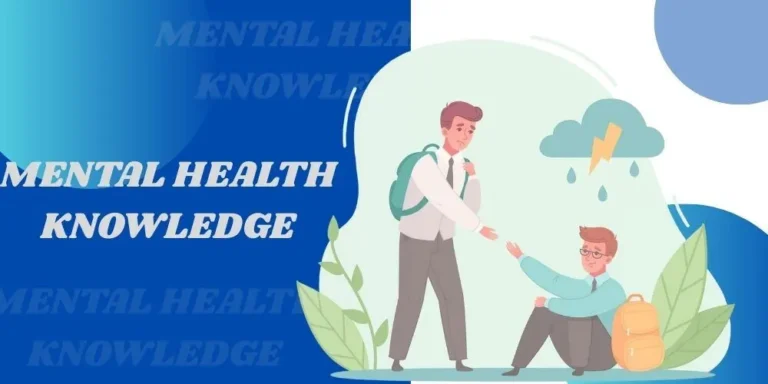
Schools play a critical role in promoting mental health through a nurturing atmosphere that prioritizes emotional safety for every student.
These steps help reduce the negative effects of academic pressure while supporting overall student well-being.
Adults significantly influence students’ ability to manage academic stress. Active engagement can make a difference in recognizing problems early and ensuring timely support.
Informed and empathetic adults help students feel secure and understood.
Policy changes are necessary to embed mental health care in educational systems, from primary schools to universities.
These initiatives make mental health a standard part of academic development rather than an afterthought.
Many students hesitate to seek help due to fear of judgment or societal stigma. Normalizing mental health conversations is crucial.
Reducing stigma encourages students to access support when needed.
Technology provides flexible support options for students, particularly in areas where traditional resources may be limited.
These tools complement conventional mental health care and provide accessible guidance anytime.
Developing balanced study habits can significantly reduce academic pressure while improving learning outcomes. Instead of focusing only on long hours, students benefit more from structured and mindful study routines.
Breaking tasks into smaller, manageable parts makes large assignments feel less overwhelming. This approach helps maintain motivation and reduces last-minute stress.
Taking regular breaks is equally important. Short pauses between study sessions allow the brain to recharge, improving focus and retention.
Time management also plays a key role. Creating a simple schedule helps students organize their workload without feeling rushed or unprepared.
By adopting healthier study habits, students can approach academics with more clarity and less stress.
Students often feel more comfortable sharing experiences with peers. Peer guidance programs can effectively supplement professional mental health care.
Peer support strengthens community and ensures students feel less alone in their academic journey.
Resilience helps students recover from setbacks. Combining education with mental health strategies prepares learners to face academic challenges confidently.
Resilience nurtures long-term mental well-being and success beyond school.
Q1: What is academic pressure?
Academic pressure is the stress and expectation students experience from exams, grades, and competitive environments.
Q2: How does academic pressure affect mental health?
Prolonged pressure can lead to anxiety, depression, burnout, sleep issues, and decreased self-esteem.
Q3: What strategies help reduce academic pressure?
Early mental health support, mindfulness practices, peer support, and realistic goal-setting are effective strategies.
Q4: Can parents and teachers reduce academic pressure?
Yes, open communication, encouragement, and realistic expectations help students manage stress effectively.
Q5: Are digital tools effective for student mental health?
Digital apps and online counseling can supplement traditional care, offering accessible support anytime.
Mental health care is a cornerstone of student success. In competitive academic environments, students thrive when emotional well-being is prioritized alongside learning. By addressing academic pressure thoughtfully, schools, parents, and policymakers can ensure students not only survive but flourish with resilience, confidence, and clarity.