
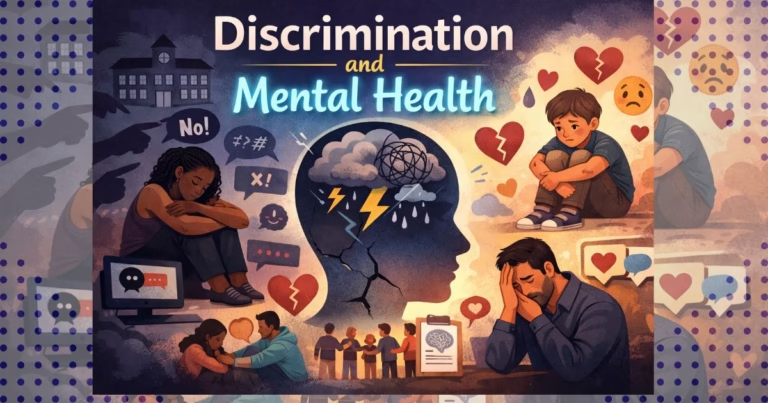
Discrimination and mental health are closely connected and influence how people feel, think, and cope with everyday life challenges. This introduction explains how discrimination affects mental health by creating stress, sadness, and emotional pain that can build over time. “Discrimination means unfair treatment based on differences, while mental health refers to emotional wellbeing and stability (WHO).”. These mental health effects of discrimination can appear in schools, workplaces, communities, and online environments.
Key Takeaways
Table of Contents
Discrimination happens when someone is treated unfairly or differently because of who they are. It can make people feel isolated, stressed, or sad and can affect their confidence and emotional wellbeing. Everyone deserves respect and equality, but unfair treatment—whether subtle or obvious—can appear in daily life. Discrimination can occur in schools, workplaces, communities, and online spaces, and it often leads to social discrimination stress, which harms both mental and emotional health. Understanding discrimination helps children, teens, and adults recognise unfair behaviour and respond in healthy ways.
These forms of discrimination can lead to social exclusion and unfair treatment, causing stress, sadness, and emotional struggles over time. Recognising these behaviours is the first step toward empathy, inclusion, and supporting mental wellbeing (NIMH).
These forms of discrimination can lead to social exclusion and unfair treatment, causing stress, sadness, and emotional struggles over time. Recognising these behaviours is the first step toward empathy, inclusion, and supporting mental wellbeing (NIMH).
Discrimination can appear in many parts of everyday life, affecting how people feel and behave. Common examples include:
Discrimination and mental health are closely connected, and unfair treatment can cause significant emotional and psychological challenges. Experiencing discrimination, whether at school, work, online, or in the community—can make people feel stressed, anxious, or sad. Over time, these experiences contribute to mental health effects of discrimination, including lowered self-esteem, fear, and social withdrawal. Recognising these effects helps children, teens, and adults understand why they feel upset and what strategies can support emotional wellbeing. Learning to respond with empathy, seek support, and create inclusive spaces can reduce the harmful impact of discrimination(APA).
Experiencing discrimination can lead to immediate emotional struggles, such as:
Prolonged exposure to discrimination can lead to more serious mental health outcomes, including:
Discrimination and mental health are strongly connected, and repeated unfair treatment can create ongoing stress in everyday life. Experiencing discrimination in school, work, or online often triggers emotional tension, which affects how people think, feel, and respond to challenges. These mental health effects of discrimination can make daily routines more difficult and impact wellbeing. Understanding how stress builds and recognising its effects on sleep, focus, and behaviour helps children, teens, and adults cope effectively. Learning coping strategies, seeking support, and fostering inclusive environments can reduce the harmful impact of stress caused by discrimination.
Repeated experiences of discrimination can cause constant stress, keeping the brain alert or on edge. Over time, the body’s stress response may become overactive, leading to heightened feelings of worry, fear, or emotional exhaustion. The mental health effects of discrimination include persistent tension, difficulty relaxing, and emotional strain. Understanding this stress response is the first step in developing healthy coping mechanisms and reducing long-term mental health challenges.
Chronic stress from discrimination can affect everyday functioning, including:
Discrimination and mental health are closely linked in children and teens, shaping how they feel, learn, and interact with others. Experiencing unfair treatment at school, in social settings, or online can lead to mental health effects of discrimination, including stress, anxiety, and sadness. Early experiences of exclusion or bullying can affect emotional development, confidence, and coping skills. Recognising these challenges allows parents, teachers, and peers to provide support, build resilience, and create inclusive environments that protect emotional wellbeing. Addressing discrimination early helps children and teens develop healthier relationships and maintain emotional balance as they grow.
Children and teens may face discrimination in school and social settings, which can cause emotional stress. Common challenges include:
The impacts of early discrimination can persist into adult life, influencing mental health and social functioning:
Discrimination and mental health challenges can feel overwhelming, but there are practical ways to cope and protect emotional wellbeing. Learning healthy coping strategies helps children, teens, and adults manage stress, build resilience, and maintain confidence. Early support and proactive self-care can reduce the mental health effects of discrimination and foster long-term emotional growth. Recognising feelings, expressing them safely, and seeking help when needed empowers individuals to respond to unfair treatment in constructive ways. By combining personal strategies with professional support and inclusive environments, people can strengthen their mental health and thrive despite challenges.
Practical strategies can help manage stress caused by discrimination:
Sometimes, coping strategies alone may not be enough. Professional support can provide guidance and relief:
Reducing discrimination is essential for protecting mental health and promoting emotional wellbeing. Society can take active steps to create safer, more inclusive environments where everyone feels respected and valued. By addressing unfair treatment and promoting equality, communities can reduce the mental health effects of discrimination and foster resilience in children, teens, and adults. Education, awareness, and supportive social structures are key tools for preventing discrimination and helping individuals feel safe, confident, and included in daily life.
Institutions can play a significant role in reducing discrimination by implementing:
Communities can promote equality and mental health through simple yet powerful practices:
Discrimination and mental health are closely connected, with unfair treatment affecting emotional wellbeing, confidence, and daily life. Promoting fairness, empathy, and support can help reduce the mental health effects of discrimination and foster resilience in children, teens, and adults alike. By creating inclusive environments at schools, workplaces, and communities, society can empower individuals to feel valued and safe. Encouraging open conversations, understanding, and access to mental health support strengthens emotional growth and nurtures hope. With awareness, kindness, and proactive action, everyone can contribute to a world where emotional wellbeing thrives, and discrimination no longer hinders people from reaching their full potential.
This article, “Discrimination and Mental Health,” is for informational and educational purposes only. It is not intended to replace professional diagnosis, treatment, or medical advice.
I’m SomAdnan — a mental health writer passionate about making psychology easy to understand. With a focus on emotional well-being and self-growth, I help readers navigate self-doubt, build confidence, and create healthier mindsets—one honest conversation at a time.
I’d love your honest feedback on this Discrimination and Mental Health guide. Your thoughts help us improve and ensure the content is clear, supportive, and practical. Please share any comments, questions, or suggestions. Your input is valuable and helps us create resources that better support emotional wellbeing and resilience.
We’d love to hear your thoughts —share your feedback here.