
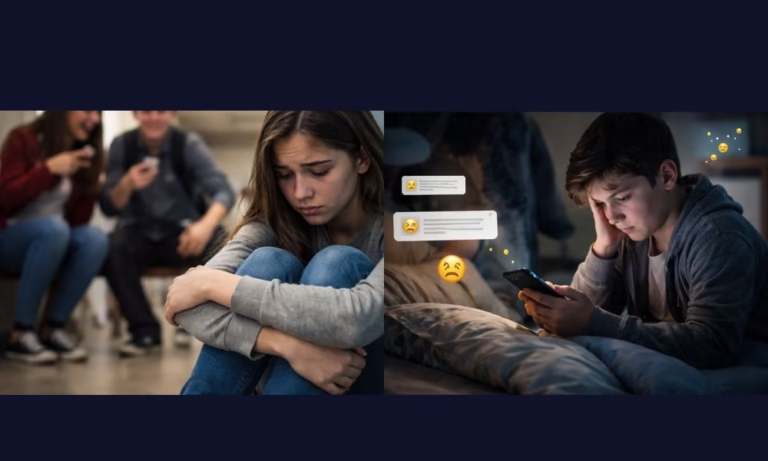
Bullying and cyberbullying are serious issues that continue to affect people of all ages, especially children and teenagers. While some may see bullying as a temporary problem, its impact often goes much deeper. Over time, repeated negative experiences can shape emotional health, behavior, and even long-term life outcomes.
Understanding the effects of bullying and cyberbullying is essential for early intervention and support. When these harmful patterns are ignored, they can lead to lasting psychological, social, and academic challenges.
Bullying refers to repeated aggressive behavior intended to harm or intimidate someone perceived as vulnerable. It can happen physically, verbally, or socially. On the other hand, cyberbullying takes place through digital platforms such as social media, messaging apps, and online forums.
In contrast to traditional bullying, cyberbullying can stay with a person throughout the day, wherever they go. Because it happens online, it often feels constant and harder to escape, which intensifies its emotional impact.
One of the most immediate outcomes of bullying is emotional distress. Victims often experience persistent sadness, fear, and frustration. These feelings can build over time, making it difficult to maintain emotional balance.
Many individuals begin to feel helpless, especially when bullying continues without intervention. As a result, they may struggle to express emotions in a healthy way, leading to mood swings or emotional shutdown.
The effects of bullying and cyberbullying are strongly linked to mental health conditions. Victims are more likely to develop anxiety, depression, and chronic stress. In severe cases, they may also experience symptoms related to trauma.
If you want to understand anxiety responses in more detail, check out our guide on Mental Health Care and Anxiety Disorders.
Additionally, resources like StopBullying.gov explain how prolonged exposure to bullying can increase the risk of long-term psychological disorders.
Bullying often damages how individuals see themselves. Constant criticism, insults, or humiliation can create negative self-beliefs. Over time, victims may begin to feel unworthy, insecure, or ashamed.
This loss of confidence doesn’t stay limited to one area of life. It can affect how individuals interact socially, perform academically, and pursue opportunities. Even after bullying stops, these effects may continue if not addressed properly.
Another major consequence is social withdrawal. People who experience bullying may distance themselves from others to prevent additional harmThe impact of bullying can continue well into adulthood.. This can lead to loneliness and difficulty forming meaningful relationships.
In many cases, individuals stop trusting others, fearing judgment or rejection. As a result, their social development slows down, especially during critical growth years like adolescence.
The effects of bullying and cyberbullying also appear in academic or work environments. Stress and emotional exhaustion make it harder to focus, complete tasks, or stay motivated.
Students may experience:
For more insight into academic pressure and its connection with mental health, learn more on Mental Health Care and Academic Pressure.
Although bullying is often seen as emotional harm, it can also affect physical health. Stress caused by bullying may lead to headaches, sleep problems, and fatigue.
In some cases, individuals develop stress-related conditions such as:
These symptoms show how closely emotional and physical health are connected.
The impact of bullying can continue well into adulthood. Individuals who experienced bullying earlier in life may continue to struggle with confidence, relationships, and emotional regulation.
Some long-term consequences include:
According to the American Psychological Association, early negative experiences like bullying can shape behavior patterns and emotional responses later in life.
Bullying does not affect everyone in the same way. While some individuals become withdrawn, others may react with anger or aggression. These behavioral changes are often coping mechanisms rather than intentional personality traits.
Over time, repeated exposure to bullying can influence how a person reacts to stress, conflict, and relationships, shaping their overall personality.
While both platforms are harmful, cyberbullying frequently has a stronger emotional impact. The reason is its constant presence and public nature. Harmful content can be shared widely, increasing embarrassment and emotional pain.
Unlike face-to-face bullying, online harassment can happen at any time, leaving victims feeling like there is no safe space. This continuous exposure increases anxiety and emotional exhaustion.
Recognizing the effects of bullying and cyberbullying helps individuals, families, and educators take timely action. Awareness leads to early support, which can prevent long-term damage.
When people understand the seriousness of these effects, they are more likely to create supportive environments where victims feel safe to speak up.
The effects of bullying and cyberbullying go far beyond temporary discomfort. They influence emotional well-being, mental health, social life, and future opportunities. Without proper attention, these impacts can last for years.
By spreading awareness and understanding these consequences, it becomes easier to support those affected and reduce the harm caused by bullying. Addressing the issue early is the key to building resilience and promoting healthier, safer communities.
The main effects include anxiety, depression, low self-esteem, social isolation, and difficulty focusing on daily activities like school or work.
Yes, prolonged exposure to bullying can lead to long-term issues such as chronic anxiety, depression, and emotional trauma.
In many cases, yes. Cyberbullying can be constant and public, which increases emotional stress and makes it harder to escape.
Bullying can reduce concentration, motivation, and attendance, leading to lower academic performance over time.
With proper support, therapy, and a safe environment, individuals can recover and rebuild confidence, although it may take time.