
Empowering Youth to Bridge the Mental Health Gap
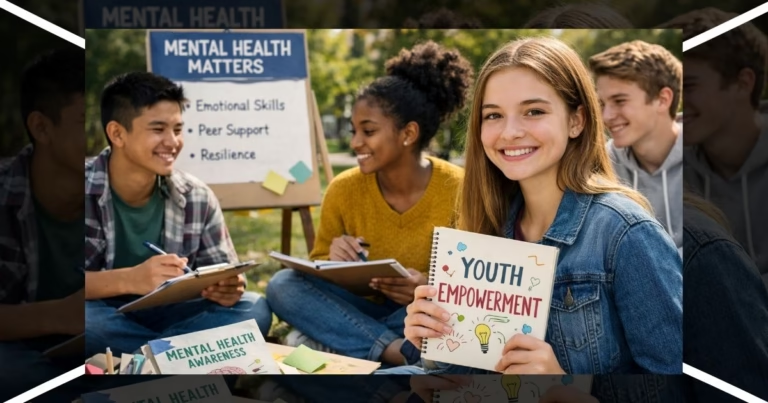
Empowering youth is a vital step toward closing the mental health gap and creating stronger communities. When young people learn to recognize their emotions and seek support, they can build resilience, confidence, and empathy. By encouraging awareness, providing guidance, and involving families and schools, we give youth the tools to bridge this gap effectively. Empowering youth to bridge the mental health gap benefits individuals and society alike.
Table of Contents
- Introduction: Empowering Youth and Mental Health
- Understanding the Mental Health Gap
- Why Empowering Youth Matters
- Mental Health Awareness from an Early Age
- Role of Schools in Youth Empowerment
- Family and Community Support
- Digital Tools and Youth Mental Well-Being
- Building a Sustainable Mental Health Future
- Conclusion
- Key Takeaways
- References
- Disclaimer
- Author
Advertisement
Tracking personal achievements and growth digitally can boost confidence. Creating a personal site using Hostinger can help document your mental health journey, goal-setting, and mindfulness practices.
Key Takeaways
- Empowering youth strengthens mental health awareness: Early guidance helps children and teens understand emotions and support peers.
- Early education reduces future mental health risks: Teaching emotional literacy and coping skills prevents long-term stress and anxiety.
- Schools and families play a vital role: Safe environments and open communication create reliable support networks for youth.
- Community and digital tools support lasting change: Local programs and responsible technology use provide resources and foster resilience.
Understanding the Mental Health Gap
The mental health gap affects millions of young people worldwide, leaving many without the support they need. Limited access to counseling, social stigma, and lack of awareness prevent youth from seeking help. Understanding this gap is the first step toward solutions that empower youth, build resilience, and strengthen communities. Awareness allows families, schools, and policymakers to act together effectively.
What Is the Mental Health Gap?
The mental health gap refers to the difference between the number of young people who need mental health support and the limited resources available to help them. Many youth struggle to access care due to social stigma, lack of awareness, and insufficient trained professionals in schools and communities. By understanding this gap, we can create solutions that empower youth and make emotional support more accessible.
Why the Mental Health Gap Is Growing
The mental health gap is widening due to several key factors that prevent youth from accessing proper support:
- Stigma: Young people often feel embarrassed or afraid to speak about their emotions, making them avoid seeking help.
- Lack of Resources: Many communities have too few trained counselors, clinics, or programs to meet the growing demand for mental health support.
- Limited Awareness: Without understanding mental health issues, youth and families may not recognize early signs or know where to find help.
Addressing these barriers is essential for empowering youth, fostering resilience, and creating stronger, healthier communities for everyone.
Why Empowering Youth Matters
Empowering youth is essential because young people play a critical role in shaping healthier communities and bridging mental health gaps. When youth are encouraged to take initiative, express emotions, and support each other, they become active agents of change. Youth empowerment builds confidence, strengthens emotional intelligence, and inspires peers, creating a ripple effect that benefits families, schools, and society as a whole.
Youth as Leaders in Mental Health Awareness
Young people can become leaders who influence their friends and communities positively. By modeling openness, empathy, and understanding, youth help reduce stigma and encourage others to seek help. Youth empowerment programs teach communication, problem-solving, and advocacy skills, allowing young leaders to guide peers toward mental well-being. Recognizing their voice and perspective strengthens confidence while fostering collective responsibility for mental health.
Building Confidence and Emotional Strength
Developing emotional skills early helps youth manage stress, express feelings safely, and build resilience against challenges. Benefits include:
- Stronger self-awareness: Youth understand their own emotions and reactions better.
- Improved peer relationships: Empathy and communication skills help maintain healthy friendships.
- Better decision-making: Confidence allows youth to make informed choices about well-being.
By nurturing these abilities, empowering youth ensures they grow into resilient, compassionate individuals who can bridge the mental health gap effectively.
Mental Health Awareness from an Early Age
Empowering youth starts with building mental health awareness at an early age, helping children and teens understand their emotions and develop healthy coping strategies. When young people learn emotional literacy, they can navigate challenges, communicate effectively, and support their peers. Early guidance lays a strong foundation for resilience, reducing future mental health struggles and encouraging confident, self-aware individuals who can bridge the mental health gap.
Teaching Emotional Literacy
Understanding emotions is the first step in helping youth recognize feelings in themselves and others. By learning to identify emotions such as stress, anxiety, or sadness, young people gain clarity about what they need to feel better. Healthy coping skills, including mindfulness, journaling, and open conversations, teach youth how to manage stress safely. These skills support emotional growth, build confidence, and encourage empathy within their communities.
Benefits of Early Mental Health Education
Introducing mental health education early has multiple advantages for young people, including:
- Better focus: Youth can concentrate on learning and personal goals without emotional distractions.
- Stronger relationships: Emotional literacy improves communication and understanding with peers and family members.
- Reduced emotional stress: Early coping skills prevent long-term anxiety and emotional challenges.
Role of Schools in Empowering Youth
Empowering youth is strongly supported by schools, as they provide structured environments where young people spend most of their time. Schools play a vital role in promoting mental health awareness, teaching emotional skills, and fostering confidence. By creating safe spaces and offering supportive programs, schools equip students with the tools to manage stress, communicate effectively, and develop resilience, ensuring youth are prepared to bridge the mental health gap in their communities.
Creating Safe and Supportive Environments
A safe and supportive school environment allows students to express themselves openly and seek help when needed. Key practices include:
- Open communication: Encouraging students to share feelings, ask questions, and discuss mental health without fear.
- Trust-building practices: Teachers and staff model respect, empathy, and confidentiality to create reliable support networks.
These practices ensure students feel valued and understood, which strengthens their confidence and emotional intelligence.
School-Based Mental Health Programs
Implementing structured mental health programs within schools helps youth access support easily. Important initiatives include:
- Counseling: Professional counselors provide guidance, coping strategies, and emotional support for students in need.
- Peer support groups: Students can discuss challenges with trained peers, fostering empathy and mutual encouragement.
Family and Community Support
Empowering youth extends beyond schools, as families and communities play a crucial role in shaping emotional well-being. Supportive homes and local programs help young people develop resilience, self-awareness, and coping skills. By encouraging open communication and offering accessible resources, parents, guardians, and community organizations provide the guidance youth need to bridge the mental health gap effectively, fostering stronger, healthier individuals who can thrive socially and emotionally.
Parents and Guardians as Emotional Anchors
Parents and guardians are often the first emotional guides for youth, setting the tone for healthy development. Key practices include:
- Open conversations: Encouraging children and teens to share thoughts and feelings without fear of judgment.
- Emotional safety at home: Creating an environment where mistakes are accepted, and support is always available.
Such practices help youth feel understood, build confidence, and develop essential coping strategies for life’s challenges.
Community Programs Supporting Youth Mental Health
Community initiatives complement family support by providing additional resources and safe spaces for youth. Important programs include:
- Youth centers: Local centers offer recreational activities, counseling, and mentorship opportunities that support emotional growth.
- Local awareness initiatives: Campaigns and workshops educate both youth and families about mental health, helping reduce stigma and improve access.
Many organizations, like UNICEF’s adolescent mental health programs, provide resources and guidance that youth and families can use to strengthen emotional well-being. When families and communities collaborate, empowering youth becomes a shared mission that strengthens both individual well-being and societal health.
Digital Tools and Youth Mental Well-Being
Empowering youth also involves teaching them how to use digital tools to support mental health. Technology offers access to educational resources, apps, and online programs that guide emotional development and provide coping strategies. When used responsibly, these tools help young people stay informed, connect with supportive communities, and manage stress effectively, creating a modern approach to bridging the mental health gap in schools, homes, and communities.
Technology as a Mental Health Resource
Digital platforms provide youth with convenient ways to learn about emotions, self-care, and mental well-being. Key resources include:
- Apps: Mindfulness and mental health apps teach meditation, emotional tracking, and stress management techniques.
- Online education platforms: Interactive courses and videos help youth understand mental health concepts and build coping skills.
For example, Mindful Schools offers programs that integrate mindfulness and emotional learning into daily routines, giving youth practical tools for self-awareness and resilience.
Responsible Digital Engagement
While technology is valuable, youth must learn to use it responsibly to avoid burnout and online stress. Important strategies include:
- Balanced screen use: Limiting time spent on devices ensures mental health benefits without negative impacts.
- Positive online spaces: Engaging with supportive communities, social groups, and informative content promotes emotional well-being.
Building a Sustainable Mental Health Future
Empowering youth creates a foundation for lasting mental health improvements that benefit individuals and society. When young people are equipped with emotional skills, awareness, and confidence, they not only support themselves but also influence peers, families, and communities positively. Focusing on long-term growth ensures mental health awareness continues to spread, reducing stigma and building stronger, healthier communities over time.
Long-Term Impact of Empowering Youth
When youth are encouraged and supported, the benefits extend far beyond the individual. Key outcomes include:
- Reduced stigma: Open conversations and peer leadership help normalize mental health discussions.
- Healthier communities: Emotionally aware youth foster empathy, understanding, and stronger social connections.
Empowering youth early contributes to a culture where mental health is prioritized and valued across all levels of society.
Collective Responsibility for Change
Bridging the mental health gap is a shared responsibility that involves youth, families, schools, and policymakers. By working together, communities can implement programs, provide resources, and maintain safe environments for emotional growth. Collaboration ensures that youth feel supported, capable, and motivated to advocate for mental health, creating a sustainable future where emotional well-being is accessible to everyone.
Conclusion
Empowering youth is a vital step toward bridging the mental health gap and creating resilient communities. When young people are given the knowledge, tools, and support to understand their emotions, they can positively influence peers, families, and society. Youth involvement encourages open dialogue, reduces stigma, and promotes healthy coping skills. By prioritizing empowerment, families, schools, and communities can inspire confident, compassionate individuals who contribute to a stronger, mentally healthy future.
References
- World Health Organization (WHO) – Youth Mental Health
- UNICEF – Adolescent Mental Well-Being
- National Institute of Mental Health (NIMH) – Child and Adolescent Mental Health
Disclaimer
This article, “Empowering Youth to Bridge the Mental Health Gap,” is for informational and educational purposes only. It is not intended to replace professional diagnosis, treatment, or medical advice.
About Author
I’m SomAdnan — a mental health writer passionate about making psychology easy to understand. With a focus on emotional well-being and self-growth, I help readers navigate self-doubt, build confidence, and create healthier mindsets—one honest conversation at a time.


Advertisement
Promote positivity and mental health awareness with these 36 motivational silicone wristbands. See here