
Mental Health Literacy Is Key to Ending Stigma
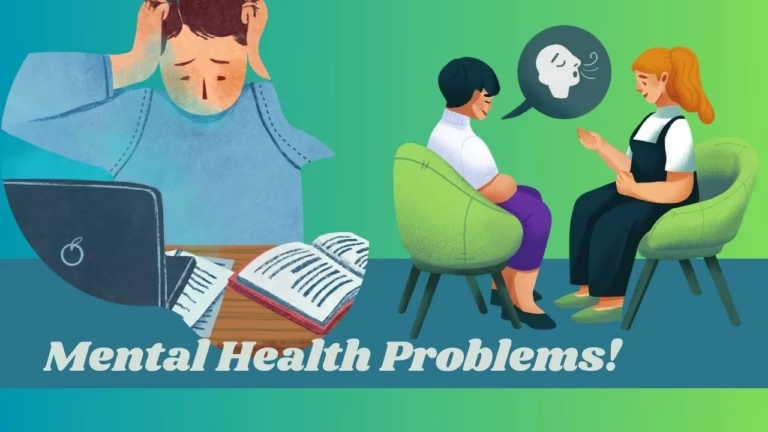
Mental health literacy goes beyond knowing terms like “depression” or “anxiety.” It means understanding mental health well enough to notice early signs of struggle, support yourself and others, and seek help when needed. By improving this awareness, we can prevent small challenges from turning into bigger problems.
Building mental health literacy is essential because stigma around mental health still exists worldwide. Many people feel hesitant to talk about their struggles, and misconceptions about mental health conditions are common. By increasing knowledge and understanding, communities can break down these barriers, encourage early intervention, and foster stronger, more resilient individuals.
Table of Contents
- Introduction – Why Mental Health Literacy Matters
- What Is Mental Health Literacy?
- Understanding Stigma – Why It Hurts
- How Mental Health Literacy Helps Fight Stigma
- Key Components of Mental Health Literacy
- Recognizing Mental Health Conditions
- Reducing Stigma Through Awareness
- Promoting Help-Seeking Behavior
- Improving Coping Strategies
- Barriers to Mental Health Literacy
- Strategies to Overcome Barriers
- The Role of Health Professionals
- Mental Health Literacy and Self-Care
- Mental Health Literacy in the Digital Era
- Conclusion – Building Knowledge, Compassion, and Support
- References and Helpful Resources
- Disclaimer
What Is Mental Health Literacy?
Mental Health Literacy (MHL) is more than just knowing the names of mental health conditions — it’s about truly understanding what mental health means, how it affects us, and what we can do to care for it.
It’s the kind of knowledge that helps you recognize when someone might be struggling, understand why, and know what steps to take for support or recovery.
Having mental health literacy is like having a “mental health toolkit.” It gives people the confidence to manage challenges, reach out for help, and support others without fear or judgment.
Experts describe mental health literacy as a combination of knowledge, awareness, and practical skills that allow individuals to make informed decisions about their mental well-being.
According to the World Health Organization (2023), people with higher mental health literacy are more likely to seek help early, provide support to others, and recover more effectively.
Understanding Risk Factors
Mental health is influenced by many factors. Some are personal, while others come from our surroundings or life experiences.
Knowing these risk factors helps us understand why mental health problems can occur — and reminds us that no one is to blame.
Common risk factors include:
- Stress and pressure – ongoing stress from school, work, or relationships can affect emotional balance.
- Trauma or loss – experiences like bullying, accidents, abuse, or the loss of a loved one can deeply affect mental health.
- Genetics – family history can sometimes play a role, just like in physical illnesses.
- Lifestyle factors – poor sleep, lack of exercise, or unhealthy eating habits can impact mood and energy.
- Environmental and social challenges – poverty, discrimination, or unsafe living conditions can increase vulnerability to mental health issues.
Understanding these influences encourages compassion. It helps us see that mental health struggles are not a sign of weakness, but a normal human response to difficult situations.
Recognizing Mental Health Issues
The first part of mental health literacy is being able to recognize when something might be wrong — in yourself or someone else.
This means noticing early signs of emotional or psychological distress, such as:
- Changes in mood or energy — feeling sad, empty, anxious, or unusually irritable for long periods.
- Withdrawal from friends or activities — avoiding social situations or losing interest in things once enjoyed.
- Difficulty concentrating — struggling with focus at school, work, or daily tasks.
- Physical symptoms — frequent headaches, sleep problems, or changes in appetite that don’t have a clear cause.
Recognizing these signs doesn’t mean diagnosing someone. It simply helps you notice that something isn’t right, so you can start a caring conversation or encourage professional support. Early recognition can make a huge difference — sometimes preventing a mental health challenge from becoming more serious.
Knowing How to Seek Help
A key part of mental health literacy is knowing where to turn for help — and realizing that reaching out is a sign of courage, not shame.
There are many ways to find support:
- Professional Help: Psychologists, psychiatrists, therapists, and counselors are trained to provide guidance and treatment.
- Trusted Adults or Friends: Talking to someone who listens without judgment can be the first step toward healing.
- School or Workplace Resources: Many schools and organizations now offer mental health programs, hotlines, or support staff.
- Community or Online Support Groups: Sharing experiences with others who understand can reduce feelings of isolation.
It’s also important to recognize that mental health recovery is not one-size-fits-all. Some people may need therapy, others benefit from medication, lifestyle changes, or simply consistent emotional support.
Knowing your options — and understanding that asking for help is normal — is a core part of being mentally health literate.
Promoting Well-Being
Mental health literacy doesn’t end with recognizing problems or finding help. It also means actively maintaining your mental well-being every day.
Here are some practical ways to promote emotional health:
- Manage Stress: Learn simple techniques like deep breathing, journaling, or taking short breaks during busy days.
- Build Resilience: Focus on problem-solving, positive thinking, and learning from challenges.
- Stay Connected: Spend time with friends, family, or community groups — social support strengthens mental health.
- Healthy Habits: Get enough sleep, eat balanced meals, and engage in regular physical activity.
- Practice Self-Compassion: Treat yourself with the same kindness you would offer to someone else in pain.
When people practice these habits, they’re not just preventing mental health problems — they’re also creating a lifestyle that supports long-term happiness, balance, and strength.
Why It All Matters
Mental health literacy gives people the power to act — to understand themselves and others with empathy, knowledge, and confidence.
When a community is mentally health literate, stigma begins to fade, support becomes easier to find, and fewer people suffer in silence.
It’s not just about learning definitions; it’s about building understanding, compassion, and confidence — one conversation at a time.
Understanding Stigma – Why It Hurts
Stigma is one of the greatest obstacles to mental health awareness and care. It’s the invisible wall that keeps people silent, misunderstood, and afraid to seek help. Even though mental health challenges are common and treatable, stigma can make a person feel ashamed — as if their struggle defines who they are.
At its heart, stigma grows from fear, misinformation, and lack of understanding. When people don’t fully understand mental health, they may rely on stereotypes or negative beliefs that can hurt others emotionally and socially.
Stigma affects people in several ways, and it usually appears in three main forms:
Public Stigma
Public stigma refers to how society reacts to individuals with mental health conditions. It can appear in many forms — from jokes about mental illness to the belief that someone is “unstable” or “unreliable” simply because they need therapy or medication.
These stereotypes create distance. They send the false message that mental health challenges are something to hide, when in truth, they are as human as physical illnesses like diabetes or asthma.
Public stigma can lead to rejection, bullying, or being treated unfairly in workplaces, schools, and even friendships. Over time, it shapes how entire communities view mental health — making open conversations much harder.
Self-Stigma
Self-stigma happens when a person starts to believe those negative labels about themselves. Imagine someone thinking, “I should be stronger” or “I don’t deserve help because others have it worse.”
This type of stigma is deeply painful because it silences people from within. It can lower self-esteem, reduce hope, and make recovery more difficult.
When people begin to see their mental health condition as a personal failure rather than a medical or emotional challenge, they carry unnecessary guilt and shame.
Understanding that mental health struggles are not anyone’s fault is an essential part of healing.
Structural Stigma
Structural stigma is built into systems and institutions — like schools, workplaces, or even healthcare settings — where unfair rules, lack of resources, or judgmental attitudes limit access to support.
For example:
- A company might avoid hiring someone because they disclosed a history of depression.
- A school might lack counseling services for students experiencing stress or anxiety.
- A healthcare system might prioritize physical illnesses while underfunding mental health programs.
These structures send an indirect message that mental health isn’t as important as physical health, which delays progress and discourages people from seeking care.
The Emotional Impact of Stigma
Stigma doesn’t just stop people from asking for help — it isolates them. It creates loneliness, fuels self-doubt, and increases the risk of worsening symptoms.
When someone feels judged or misunderstood, they may hide their emotions, pretend to be okay, or stop taking treatment altogether.
Over time, this silence can lead to deeper emotional pain and a stronger belief that they must face their struggles alone — which isn’t true.
Why Understanding Stigma Matters
Learning about stigma is an essential part of mental health literacy. The more we understand it, the more we can challenge it — through empathy, education, and open discussion.
By talking about mental health respectfully, correcting misinformation, and treating others with kindness, we begin to weaken stigma’s power.
Every act of understanding — a kind word, a listening ear, or a simple “You’re not alone” — helps build a world where seeking help is normal, accepted, and encouraged.
As the Mental Health Foundation (2024) reminds us, ending stigma begins with knowledge and compassion.
How Mental Health Literacy Helps Fight Stigma
Mental health literacy isn’t just about understanding disorders or symptoms — it’s about building a culture of empathy, respect, and awareness. When people know more about how the mind works and how emotions affect our lives, fear begins to fade. Knowledge turns into understanding, and understanding turns into compassion.
High mental health literacy helps not only individuals but also entire communities grow stronger, safer, and more connected. Let’s explore how.
Encourages Open Conversations
When people understand mental health, they’re more willing to talk about it openly. Instead of whispering about “stress” or “depression” as something shameful, they begin to treat it as a normal part of life — something that can be discussed and cared for.
Imagine a school where students feel safe enough to say, “I’m feeling overwhelmed today,” or a workplace where it’s normal to take a mental health day without judgment. This openness can only happen when people are educated about what mental health really means.
As awareness grows, stigma loses its power. Honest conversations replace silence, and support replaces shame. Each time someone chooses to listen without judgment, they make the world a little kinder.
Promotes Early Help-Seeking
Mental health literacy teaches people to recognize the early warning signs of emotional distress — whether it’s constant sadness, lack of focus, or loss of interest in everyday activities. Understanding these signals helps individuals reach out before the situation worsens.
According to the World Health Organization (WHO, 2023), early intervention plays a vital role in recovery. When people know how to spot symptoms and where to find help — such as talking to a counselor, a doctor, or using a mental health helpline — they can get the right care faster.
Just like seeing a doctor for a fever, seeking help early for emotional pain prevents deeper harm. It’s not weakness; it’s wisdom.
Builds Empathy and Understanding
When people learn about mental health conditions, they begin to see the person behind the struggle, not just the symptoms. Mental health literacy reminds us that everyone has emotions, and everyone can face challenges — whether it’s anxiety before an exam or grief after losing someone.
The more we learn, the less room there is for fear or judgment. We stop labeling others as “different” and start recognizing shared humanity. This understanding builds empathy — the ability to feel with others rather than against them.
Empathy is powerful: it can turn a classroom, workplace, or neighborhood into a place where people feel accepted and safe to be themselves.
Strengthens Social Support
Communities with higher mental health literacy naturally become more supportive and resilient. Friends, families, teachers, and colleagues begin to notice when someone is struggling and reach out with care.
Instead of isolating those who are suffering, educated communities create safety nets — simple acts like checking in, listening, or helping someone access resources. These moments of support can make the difference between feeling alone and feeling seen.
Research from the National Institute of Mental Health (NIMH, 2024) highlights that social support plays a key role in recovery from mental health conditions. When communities unite around awareness, no one has to face their battles in silence.
Turning Knowledge Into Action
In the end, mental health literacy is not just information — it’s transformation. It changes how we think, speak, and act. It helps us move from judgment to understanding, from silence to dialogue, and from fear to compassion.
When people know more, they care more. And when they care, they help build a world where mental health is treated with the same importance as physical health.
Every conversation, lesson, and act of kindness adds up — slowly breaking the stigma that has silenced too many for too long.
Key Components of Mental Health Literacy
Mental health literacy is more than just knowing definitions — it’s about developing awareness, empathy, and practical tools to take care of our emotional well-being. Understanding these key components helps individuals recognize when something feels off, support others, and strengthen communities built on compassion rather than stigma.
Let’s explore the four main parts that shape true mental health literacy.
Recognizing Mental Health Conditions
The first step in mental health literacy is awareness — learning how to identify common mental health conditions and understanding what they look like in everyday life.
When we can recognize symptoms early, it becomes easier to seek help and prevent challenges from growing more serious. Some of the most common conditions include:
- Depression: This is more than just feeling sad. It involves deep, ongoing sadness, loss of energy, changes in sleep or appetite, and difficulty finding joy in things that once mattered.
- Anxiety Disorders: These cause intense worry, restlessness, or panic that can make it hard to focus, sleep, or feel calm. Sometimes, physical symptoms like a racing heart or shortness of breath appear during stressful moments.
- PTSD (Post-Traumatic Stress Disorder): PTSD can develop after someone experiences a distressing or traumatic event. It may bring flashbacks, nightmares, or strong emotional reactions to reminders of the event.
- Bipolar Disorder: A medical condition where a person experiences strong mood changes — alternating between low periods (depression) and high-energy states called mania. It’s important to use the term bipolar disorder carefully and respectfully, only when referring to this clinical diagnosis, as misusing it can create misunderstanding or stigma.
Knowing the signs of these conditions helps individuals recognize when they or someone they care about might need professional support. Early recognition often leads to faster healing and better outcomes.
Reducing Stigma Through Awareness
Knowledge is one of the strongest tools we have to challenge stigma. Misunderstanding about mental health has long caused people to hide their struggles or feel ashamed. But awareness can change that.
Education helps us see that mental health conditions are medical conditions, not personal flaws or failures. Just as someone with asthma or diabetes deserves care and compassion, so does someone living with depression or anxiety.
Campaigns, school programs, and online initiatives — such as those supported by the National Institute of Mental Health (NIMH, 2025) — play a vital role in promoting understanding. Sharing true stories of recovery and resilience reminds us that mental health challenges are part of the human experience, not something to be feared or hidden.
When people are educated, they become allies — spreading empathy, not judgment.
Promoting Help-Seeking Behavior
One of the most important lessons of mental health literacy is learning that asking for help is an act of courage, not weakness.
People who understand mental health know that support can come from many trusted sources, including:
- Professional Help: Psychologists, psychiatrists, and counselors who are trained to assess and guide people through treatment.
- Trusted Adults: Parents, teachers, school counselors, or mentors who can listen and connect individuals to further support.
- Community Resources: Local support groups, helplines, and verified online communities that offer safe spaces to talk and share experiences.
When people delay seeking help out of fear or shame, symptoms can grow worse. But when they reach out early — whether through therapy, medication, or community programs — recovery often becomes smoother and faster.
Encouraging help-seeking is about changing how society views vulnerability. It teaches us that reaching out doesn’t mean you’re “broken”; it means you’re strong enough to take care of yourself.
Improving Coping Strategies
Mental health literacy also involves learning how to care for the mind every day, not just in moments of crisis. Strong coping strategies act like emotional first aid — tools that help us stay balanced when life gets challenging.
Some practical and effective approaches include:
- Stress Management: Techniques like mindfulness, deep breathing, journaling, or setting aside quiet time can help calm the body and mind during stressful periods.
- Self-Care Practices: Getting enough rest, eating nutritious food, exercising regularly, and maintaining social connections are simple yet powerful ways to support emotional well-being.
- Problem-Solving Skills: Breaking challenges into smaller, manageable steps makes problems feel less overwhelming and builds confidence in facing difficulties.
These habits promote resilience — the ability to bounce back from hardship — and help prevent small stresses from turning into major mental health problems.
When individuals learn how to take care of their mental health, they become role models for others. Every positive habit, conversation, and act of kindness spreads awareness and reduces stigma.
The Bigger Picture
Building mental health literacy is like giving people a map — one that helps them navigate emotions, understand challenges, and find safe paths toward healing. It teaches communities to respond with care rather than criticism, and with knowledge rather than fear.
As global health organizations continue to emphasize, mental health literacy is not just a personal responsibility — it’s a shared effort to create a world where every mind is valued, understood, and supported.
Barriers to Mental Health Literacy
- Even though conversations around mental health are growing louder and more open across the world, many barriers still prevent people from truly understanding and addressing mental health issues. These challenges can vary from one culture or community to another, but they all share one thing in common — they create silence where there should be understanding.
- Let’s look more closely at the major barriers that continue to hold mental health literacy back.
Stigma and Cultural Beliefs
- Despite years of progress, stigma remains one of the strongest barriers to mental health awareness and care. In many societies, mental illness is still misunderstood — viewed through lenses of fear, weakness, or even superstition.
- Some cultures believe that mental health conditions are caused by personal failure, lack of willpower, or moral weakness. Others may associate emotional distress with spiritual punishment or bad luck. These beliefs can make people feel ashamed or afraid to seek help, especially if they worry about being judged by family or their community.
- Even in modern societies, stigma can appear in subtle ways — through jokes, labels, or the assumption that therapy is only for “serious” cases. These attitudes prevent open dialogue and discourage individuals from reaching out when they need support.
- Breaking these beliefs requires education, empathy, and courage. When communities begin to discuss mental health honestly and respectfully, old myths start to fade, and compassion takes their place.
Limited Access to Care and Resources
- Another major obstacle is limited access to mental health services. Around the world, millions of people live in areas where there are too few trained professionals — such as psychologists, psychiatrists, or counselors — to meet the growing demand for care.
- In some low- and middle-income countries, there might be only one mental health specialist for thousands, or even millions, of people. Even in developed nations, access can still be limited by high costs, long waiting times, or a lack of insurance coverage.
- Geography also plays a role. Rural or remote communities may not have nearby clinics or hospitals that provide mental health services, making it harder for people to get the support they need.
- Technology is helping bridge this gap — through telehealth, online therapy, and mental health apps — but access remains uneven. To improve mental health literacy, communities must ensure that knowledge and care go hand in hand: it’s not enough to understand mental health; people must also have the resources to act on that understanding.
Misinformation and Lack of Reliable Knowledge
- In today’s digital age, information is everywhere — but not all of it is accurate. Misinformation about mental health spreads easily on social media and unverified websites, often creating confusion or fear.
- For example, someone might read a misleading article that labels ordinary stress as a severe disorder, or another that dismisses therapy as unnecessary. These mixed messages can lead people to self-diagnose, ignore serious symptoms, or believe in false “quick fixes.”
- When people can’t tell fact from fiction, their understanding of mental health weakens — and stigma grows stronger. That’s why media literacy and access to trustworthy sources are essential parts of mental health literacy.
- Organizations like the World Health Organization (WHO) and National Institute of Mental Health (NIMH) provide reliable, science-based information. Encouraging readers to verify sources, read evidence-based materials, and speak to professionals helps protect against confusion and promotes informed choices.
Social and Gender Barriers
- In many cultures, social expectations and gender norms can also prevent people from talking about their mental health.
- Men, for example, are often taught to “be strong” or “hide their emotions.” This mindset can make it difficult for them to express vulnerability or seek professional help, even when they’re struggling. Similarly, women in some societies may face pressure to prioritize family and caregiving responsibilities over their own well-being.
- Teenagers and young adults may also face unique pressures — worrying about being judged by peers or misunderstood by adults. These unspoken rules can keep people silent, forcing them to deal with pain alone.
- Breaking social barriers begins with open conversation and education at every level — in schools, homes, and workplaces. When we encourage emotional honesty and teach that mental health is a shared human experience, we begin to replace silence with understanding.
Moving Toward Change
- Overcoming these barriers is not simple, but it is possible. It requires a collective effort — from governments that fund mental health services, to educators who include emotional learning in classrooms, to families who talk about mental well-being as naturally as physical health.
- When knowledge, empathy, and access come together, barriers lose their strength.
That’s the power of mental health literacy — it opens doors where stigma once built walls.
Strategies to Overcome Barriers
Even though many obstacles stand in the way of mental health literacy, they are not impossible to overcome. Change begins when individuals, communities, and governments work together to make understanding mental health a shared priority.
By combining education, compassion, and access, societies can transform the way people think about mental health — turning silence into dialogue, and fear into awareness. Below are some key strategies that can help remove these barriers and build stronger, more informed communities.
Education and Awareness Campaigns
Education is the foundation of mental health literacy. When people understand what mental health truly means, misconceptions start to fade.
Community workshops, school-based programs, and public awareness campaigns can make a huge difference in how mental health is perceived. These initiatives help people recognize early warning signs, learn how to seek help, and support friends or family who might be struggling.
For example, schools can integrate mental health topics into their health or social studies curriculum, teaching students how to manage stress and identify emotions in healthy ways. Similarly, media campaigns — such as documentaries, radio talks, and social media movements — can reach wide audiences and normalize open conversations about mental well-being.
When education reaches every level of society, stigma begins to lose its power. Knowledge builds empathy — and empathy changes everything.
Policy Support and Government Involvement
Strong public policies are essential for improving mental health literacy. Governments and institutions play a crucial role in ensuring that people not only understand mental health but also have access to proper care.
Policies should support:
- Funding for mental health services and education programs in schools and communities.
- Training for healthcare professionals to recognize and respond to mental health needs.
- Affordable or free counseling services for vulnerable populations.
- National awareness days or campaigns that encourage dialogue about mental health.
When policymakers prioritize mental well-being alongside physical health, it sends a clear message: mental health matters to everyone.
International organizations such as the World Health Organization (WHO) continue to encourage governments to integrate mental health education into their public health strategies — ensuring no one is left behind due to lack of awareness or resources.
Community Engagement and Local Leadership
Communities are at the heart of every change. Real progress happens when people come together — when educators, faith leaders, healthcare providers, and influencers unite to spread accurate information and understanding.
Local leaders often hold strong influence in their communities. When they speak openly about mental health, it helps normalize the conversation and reduces shame. Involving these leaders in workshops, support groups, and campaigns ensures that information is shared in a culturally sensitive way — one that resonates with local values and traditions.
For instance, teachers can help students talk about emotions in classrooms, while religious or community leaders can encourage compassion and understanding through their platforms. Influencers and social media advocates can also use their voices to highlight real experiences and challenge harmful myths.
When entire communities take part in promoting mental health awareness, literacy becomes not just an individual skill — but a shared culture of care.
Building Digital Literacy
In our modern world, digital literacy has become a key part of mental health literacy. The internet is full of information — but not all of it is accurate or safe. False claims, stigma-filled posts, and misleading advice can easily spread confusion or fear.
Teaching people how to identify credible online sources helps protect them from misinformation. Schools, libraries, and community centers can offer simple lessons on how to:
- Check the author’s qualifications and the source’s reputation.
- Look for data supported by scientific or health organizations.
- Avoid sites or social media pages that promote unverified or extreme views.
According to research published in BMC Psychiatry (2023), improving digital health literacy significantly enhances public understanding of mental health. It allows individuals to make informed decisions, access legitimate support networks, and recognize when online information may be harmful.
In a digital age, learning how to filter truth from myth is just as important as learning about mental health itself.
The Path Forward
Overcoming barriers to mental health literacy takes time, patience, and teamwork — but every small step counts. By combining education, supportive policies, community involvement, and digital responsibility, societies can build a future where understanding mental health is the norm, not the exception.
When people know better, they care better. And when communities care, no one has to face mental health struggles alone.
The Role of Health Professionals
Health professionals play a central role in shaping how society understands, talks about, and responds to mental health. Their influence goes far beyond clinical care — they are educators, advocates, and trusted voices who help communities replace confusion with clarity and stigma with understanding.
Mental health literacy grows stronger when healthcare providers use their expertise not only to treat illness but also to teach awareness and empower people to take care of their emotional well-being.
Here are the key ways health professionals contribute to improving mental health literacy worldwide.
Patient Education
At the heart of every successful healthcare interaction is clear and compassionate communication. When doctors, psychologists, nurses, and counselors take time to explain mental health conditions in simple, relatable terms, patients are better equipped to understand their symptoms, treatment options, and recovery journey.
For example, instead of using complex clinical language, a provider might say:
“Depression is a medical condition that affects how your brain processes emotions — it’s not your fault, and it’s treatable.”
This kind of explanation helps reduce fear and self-blame. Patients who understand their diagnosis are more likely to follow treatment plans, attend therapy sessions, and practice self-care.
Health professionals can also share educational materials — such as brochures, visual aids, or online resources — that help patients and their families continue learning outside the clinic.
When knowledge is shared with empathy, it empowers individuals to take an active role in their healing and fosters greater trust between patient and provider.
Workshops and Public Seminars
Healthcare professionals also play a key role beyond hospital walls. By organizing workshops, seminars, and community talks, they can engage the public in open discussions about mental health topics that are often misunderstood.
These events serve multiple purposes:
- They educate people about common conditions like anxiety, depression, or trauma.
- They dispel myths — such as the idea that therapy is only for severe cases.
- They encourage dialogue in safe, supportive environments where questions are welcomed.
Public seminars held in schools, universities, workplaces, and community centers can help normalize conversations about emotional well-being. When professionals speak directly to the public, they give credibility and visibility to the message that mental health is an essential part of overall health.
In rural or underserved areas, even small community gatherings led by trained health workers can make a tremendous impact — introducing information that might otherwise be inaccessible.
The goal is not only to treat illness but to build knowledge and confidence that lasts long after the seminar ends.
Collaboration and Community Partnerships
Improving mental health literacy requires teamwork. Health professionals can create lasting change by collaborating with schools, organizations, and policymakers to bring accurate mental health education into everyday settings.
- In schools: Psychologists and counselors can train teachers to recognize early signs of emotional distress and guide students toward help.
- In workplaces: Mental health experts can conduct wellness programs, helping employers build supportive environments and reduce burnout.
- With policymakers: Professionals can advocate for stronger mental health laws, funding for public education, and better access to care in all communities.
This collaborative approach helps ensure that mental health literacy becomes a shared social responsibility, not just a medical one.
For instance, when a psychiatrist partners with a local NGO to provide community talks, or when a nurse contributes to a government awareness campaign, that partnership creates ripples of awareness that reach far beyond individual clinics.
As global studies, including those published by the World Health Organization (WHO), highlight — sustainable mental health literacy depends on collective action among healthcare systems, educators, and civic leaders.
The Ripple Effect of Professional Guidance
Health professionals are often the first point of contact for individuals struggling in silence. By blending expert knowledge with compassion, they have the power to shape how people see mental health — not as something shameful, but as something human.
Each conversation, workshop, and partnership they lead becomes a ripple — spreading awareness, reducing stigma, and helping others find hope.
Ultimately, when health professionals champion mental health literacy, they help build a world where care is accessible, information is accurate, and every person feels empowered to seek help without fear.
Mental Health Literacy and Self-Care
One of the most powerful outcomes of mental health literacy is how it helps people take care of themselves — not just when something goes wrong, but every single day. Understanding how the mind works, recognizing when it feels unbalanced, and knowing what steps to take builds confidence and emotional strength.
Self-care isn’t selfish or a luxury — it’s a form of preventive health care. Just as we learn to brush our teeth or eat balanced meals for physical health, mental health literacy teaches us to notice and nurture our emotional well-being.
When people understand mental health clearly, they can identify early warning signs, make healthy decisions, and seek help before small concerns grow into serious challenges.
Let’s explore how high mental health literacy directly strengthens self-care.
Monitoring Mental Health – Listening to the Mind and Body
Mental health literacy helps individuals recognize subtle changes in mood, energy, sleep, and thinking patterns. This self-awareness acts like an inner “check-engine light,” signaling when something might be off.
For example:
- Feeling persistently sad, anxious, or easily irritated for weeks.
- Losing interest in activities that once felt enjoyable.
- Having trouble sleeping, concentrating, or managing daily responsibilities.
These signs might not mean a mental illness right away, but they are important clues. By noticing them early, a person can take preventive action — talk to a counselor, adjust their routine, or reach out for support.
When people regularly check in with their emotions — just like they would with their physical health — they create space for healing before a crisis develops.
Monitoring mental health isn’t about constantly worrying; it’s about being mindful, observant, and kind to yourself.
Making Healthy Choices – Building a Balanced Lifestyle
Understanding mental health literacy means knowing how daily habits directly affect the mind. What we eat, how we sleep, and how we move all play powerful roles in emotional balance.
Here’s how those choices make a difference:
- Sleep: Getting enough rest helps the brain process emotions and reduces stress. Lack of sleep can worsen anxiety or low mood.
- Nutrition: A balanced diet supports brain function. Foods rich in vitamins, minerals, and omega-3 fatty acids help stabilize mood and energy.
- Exercise: Regular physical activity releases endorphins — natural chemicals that boost mood and reduce tension.
Equally important are emotional habits: spending time with loved ones, expressing gratitude, setting boundaries, and making time for joy or creativity.
Mental health literacy helps people understand why these habits matter and how to maintain them consistently — not as temporary fixes, but as lifelong tools for emotional strength.
As the World Health Organization (WHO) emphasizes, promoting mental well-being through daily lifestyle choices is just as crucial as preventing disease.
Seeking Help Promptly – Knowing When and How to Reach Out
Perhaps one of the most valuable lessons mental health literacy teaches is that asking for help is a sign of wisdom, not weakness.
When individuals understand the symptoms of emotional distress and know where to find support, they’re far more likely to seek help early — before things become overwhelming.
This might mean:
- Talking to a school counselor, therapist, or doctor.
- Reaching out to trusted adults, friends, or mentors.
- Using helplines or mental health support platforms when feeling unsafe or lost.
High mental health literacy removes the uncertainty and fear that often surround help-seeking. It teaches that mental health care is no different from physical health care — we wouldn’t ignore a broken bone, so why ignore persistent sadness, panic attacks, or exhaustion?
By seeking help promptly, individuals not only improve their own outcomes but also set an example for others, showing that reaching out for support is an act of courage and self-respect.
The Bigger Picture – Self-Care as a Lifelong Practice
Mental health literacy transforms self-care from a simple act into a mindset — one built on awareness, compassion, and action.
It helps people understand that taking care of their mind is not about perfection, but about balance. Some days will be hard; others will feel light and easy. What matters is learning to recognize the difference, adjust, and keep moving forward with patience and self-kindness.
As global experts remind us, the more we understand mental health, the better we care for ourselves and one another. Self-care becomes not just a personal responsibility but a collective effort toward a healthier, more compassionate world.
Mental Health Literacy in the Digital Era
We live in a world where information travels faster than ever before. With just a few clicks, anyone can access thousands of articles, videos, and discussions about mental health. This digital transformation has made mental health literacy more reachable — yet also more complicated.
Technology brings incredible opportunities to learn, connect, and heal, but it also demands responsibility: to think critically, verify facts, and use digital tools wisely.
Let’s explore both sides — the possibilities and the pitfalls — of mental health literacy in today’s online world.
Access to Information – Learning Without Borders
The internet has turned mental health education into a global classroom.
People everywhere — students, parents, teachers, and professionals — can now access free, high-quality mental health resources from trusted organizations like the World Health Organization (WHO), National Institute of Mental Health (NIMH), and Mental Health Foundation.
Through online courses, podcasts, blogs, and webinars, anyone can learn about topics such as depression, anxiety, stress management, or resilience — no matter where they live.
This easy access helps bridge gaps in knowledge, especially for those in regions where professional mental health care may be limited.
For example, a student in a remote village can now take an online course about coping with stress. A parent can join a virtual support session to learn how to help their child. These small acts of learning build confidence, compassion, and understanding — the very core of mental health literacy.
Telehealth Services – Support at Your Fingertips
One of the most promising advances of the digital era is telehealth — virtual mental health care provided through phone calls, video sessions, or chat platforms.
Telehealth makes it easier for people to connect with psychologists, psychiatrists, and counselors without having to travel or face stigma at local clinics. This is especially important for individuals living in rural areas or those who feel uncomfortable seeking help in person.
According to the American Psychiatric Association (APA), online therapy has proven effective in treating depression, anxiety, and other common mental health conditions. Many patients find it comforting to talk to a therapist from their own space, where they feel safe and relaxed.
Beyond convenience, telehealth also encourages continuity of care — people can maintain consistent therapy sessions even when life becomes busy, when traveling, or during public health emergencies like the COVID-19 pandemic.
However, it’s important to remember that not all online services are legitimate. Only platforms that use licensed professionals and protect user privacy should be trusted.
Online Communities – Finding Connection in Shared Experiences
The digital age has also made it easier for people to find support from peers who understand what they’re going through. Social media platforms, online forums, and virtual support groups can provide a safe space for sharing experiences and encouragement.
When used wisely, these spaces remind individuals that they are not alone — others are facing similar struggles and finding ways to heal.
Online support groups can:
- Offer encouragement to those starting their mental health journey.
- Share practical coping ideas and emotional validation.
- Create a sense of belonging that helps reduce loneliness and stigma.
For example, international communities on platforms like Reddit’s r/mentalhealth, or organizations such as 7 Cups and BetterHelp, connect people globally to share their stories and support each other with empathy.
But there’s another side to this digital connection — one that requires caution.
Navigating Misinformation – The Need for Digital Wisdom
While the internet holds endless knowledge, it also contains misinformation — inaccurate, exaggerated, or harmful content about mental health.
Sometimes, social media influencers share advice without medical expertise, or online posts can spread myths that deepen stigma instead of reducing it.
That’s why digital literacy — the ability to evaluate sources critically — is now part of mental health literacy.
Here’s how to stay informed safely:
- Check the source: Make sure the information comes from reliable organizations, universities, or certified professionals.
- Look for evidence: Trust articles and videos that reference scientific research or expert opinions.
- Avoid self-diagnosis: Reading online symptoms can be confusing; always confirm concerns with a qualified doctor or therapist.
- Be mindful of social media: While it can connect and comfort, it can also distort reality. Take breaks when scrolling starts to affect your mood.
The World Economic Forum (2024) highlights that digital awareness is essential in protecting mental well-being. Knowing how to find credible information can prevent unnecessary anxiety, false beliefs, and harmful self-treatment.
The Balance Between Technology and Humanity
The digital world has made mental health education more accessible than ever, but true understanding still requires human connection, empathy, and professional guidance.
Technology is a powerful tool — not a replacement for care. Online resources, when used wisely, can complement traditional therapy, provide comfort, and build communities of hope.
In the end, mental health literacy in the digital era is about balance:
- Learning from credible sources.
- Using technology to connect, not isolate.
- Seeking real help when online advice isn’t enough.
When knowledge meets compassion — both online and offline — we create a world where information heals instead of harms, and where every click can lead to understanding, not confusion.
Conclusion
- Mental health literacy and stigma reduction are deeply connected — one cannot exist meaningfully without the other. When people understand mental health, they begin to see it not as a weakness but as a vital part of overall well-being. Knowledge empowers individuals to speak openly, seek help confidently, and support others with empathy rather than judgment.
- Each step toward better understanding — whether through education, conversation, or personal reflection — helps break the silence that too often surrounds mental illness. Awareness turns into compassion, and compassion turns into action. This is how societies grow stronger and kinder.
- Promoting mental health literacy isn’t just a task for doctors or educators — it’s a shared responsibility for all of us. Parents can teach children emotional awareness, schools can integrate mental health education, and workplaces can create safe environments for employees to talk about stress and well-being.
- Technology, too, plays a growing role. From online therapy to digital awareness campaigns, the internet can serve as a bridge — connecting those who need help with those who can provide it. But with that convenience comes the need for careful discernment — ensuring that the information we consume and share is reliable, compassionate, and evidence-based.
- In the end, creating a mentally healthy society is not only about care — it’s about culture. A culture where seeking help is seen as strength, where language is respectful, and where no one feels alone in their struggle.
References
If you’d like to explore further or find credible mental health information and support, visit the following trusted sources:
- World Health Organization – Mental Health
Provides global resources, research, and policy guidance on mental health promotion and care. - National Institute of Mental Health (NIMH)
Offers evidence-based information on mental disorders, treatment options, and current scientific findings. - Mental Health Foundation
UK-based organization focusing on mental health awareness, education, and stigma reduction. - BMC Psychiatry
Peer-reviewed research journal sharing international studies and data on mental health literacy and care. - American Psychiatric Association (APA)
Provides educational materials on diagnosis, treatment, and telepsychiatry, along with professional resources.
Disclaimer
This article is intended for educational and informational purposes only. It is not a substitute for professional medical or psychological advice, diagnosis, or treatment. If you or someone you know is experiencing emotional distress, mental health challenges, or thoughts of self-harm, please reach out to a qualified mental health professional or contact your local emergency helpline immediately.