
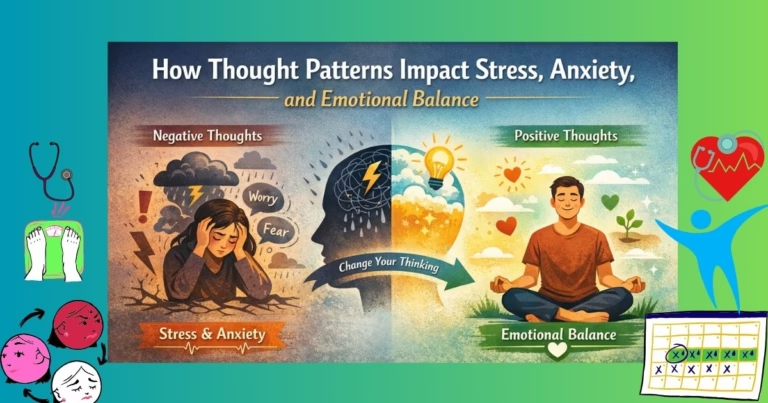
Thought patterns shape how people respond to daily challenges, emotions, and stressful situations. These thinking habits influence stress levels, anxiety reactions, and emotional balance over time. When certain ways of thinking become negative or rigid, emotional pressure often increases. Learning to recognize and adjust these mental habits helps people respond calmly and maintain healthier emotional control.
Table of Contents
- Introduction
- Understanding Thinking Habits
- Stress and Mental Patterns
- Anxiety and Thought Cycles
- Emotional Balance
- Unhelpful Thinking Styles
- Changing Thought Habits
- Daily Practices for Better Thinking
- When Support Helps
- Conclusion
- References
- Disclaimer
- Author
Key Takeaways
- Thought patterns shape emotions, stress, and anxiety levels daily.
- Negative thinking can increase emotional strain, while positive habits support balance.
- Awareness and practice allow people to reshape unhelpful thought patterns.
- Daily routines, social support, and professional help strengthen emotional resilience.
- Healthy thought patterns improve both mental well-being and overall life satisfaction.
Understanding Thought Patterns and Mental Health
Thought patterns are habits of thinking that develop through experiences, beliefs, and repeated emotional responses over time. These patterns guide how people explain events to themselves, especially during stressful or uncertain situations. Some thought patterns feel automatic, even though they can be changed with awareness and practice. Understanding them helps people recognize why emotions sometimes feel overwhelming or difficult to manage.
Mental health professionals often study thought patterns because they strongly influence emotional well-being and behavior choices. Positive thinking habits support resilience, while harmful patterns can increase emotional distress. Once people understand their thinking style, they gain greater control over stress and anxiety reactions.
How Thought Patterns Develop Over Time
Thought patterns usually begin forming during childhood through family interactions, school experiences, and social relationships. Repeated messages from caregivers, teachers, and peers slowly shape beliefs about safety, self-worth, and success. Over time, these beliefs turn into automatic thoughts that guide emotional reactions. Even small daily experiences can reinforce these thinking habits without conscious awareness.
As people grow older, stressful events can strengthen certain thought patterns even further. For example, repeated failures may create negative self-talk, while supportive environments encourage balanced thinking. Recognizing how thought patterns develop helps people understand they are learned, not permanent.
The Connection Between Thought Patterns and Stress
Stress often increases when thought patterns focus on danger, pressure, or constant worry about future outcomes. When the mind repeatedly expects problems, the body remains in a tense state. This reaction can lead to headaches, muscle tension, sleep problems, and emotional exhaustion. Stress becomes more intense when thoughts exaggerate threats or underestimate personal coping abilities.
Balanced thought patterns help reduce stress by encouraging realistic thinking and problem-solving skills. When people learn to pause and question stressful thoughts, emotional pressure often decreases naturally. This shift allows the nervous system to relax and recover.
How Thought Patterns Influence Anxiety Levels
Anxiety is closely connected to thought patterns that focus on fear, uncertainty, or loss of control. Repeated anxious thoughts often imagine worst-case scenarios, even when danger is unlikely. These patterns keep the brain alert and create physical symptoms such as racing heartbeats or restlessness. Over time, anxiety grows stronger when these thoughts remain unchallenged.
Changing anxious thought patterns can reduce emotional intensity and physical discomfort. Learning to replace fearful assumptions with realistic expectations helps calm the mind. Many anxiety treatments focus on helping people recognize these thinking habits and gently reshape them.
Emotional Balance and Thinking Habits
Emotional balance depends greatly on how people interpret events rather than events themselves. Thought patterns influence whether emotions feel manageable or overwhelming during daily life. For example, interpreting mistakes as learning opportunities supports emotional stability. However, viewing mistakes as personal failures often leads to shame, sadness, or frustration.
Healthy thought patterns encourage emotional flexibility and self-compassion. They allow people to experience emotions without becoming stuck in them. Over time, balanced thinking supports emotional regulation and improves relationships, confidence, and overall mental well-being.
Common Unhelpful Thought Patterns
Some thought patterns commonly increase stress and emotional discomfort without providing useful solutions. These patterns often appear automatically and feel difficult to stop without awareness. Recognizing them is the first step toward healthier thinking habits.
Common unhelpful thought patterns include:
- All-or-nothing thinking that ignores middle ground possibilities
- Overgeneralization based on one negative experience
- Catastrophic thinking that expects the worst outcome
- Constant self-blame without considering other factors
Understanding these patterns helps people pause before emotional reactions escalate.
The Role of Awareness in Changing Thought Patterns
Awareness allows people to notice thought patterns before they fully influence emotions and behavior. Many thoughts occur quickly, making them feel like facts rather than opinions. Slowing down mental reactions helps separate thoughts from reality. This skill is often practiced through reflection, journaling, or guided mental exercises.
Once people become aware of their thinking habits, they gain the power to choose different responses. Awareness does not mean ignoring emotions, but understanding their mental source. This approach builds emotional control and long-term resilience.
How Cognitive Behavioral Techniques Help
Cognitive Behavioral Therapy focuses on identifying and changing harmful thought patterns linked to emotional distress. It teaches people to challenge unhelpful beliefs and replace them with balanced thoughts. These techniques help reduce symptoms of stress, anxiety, and emotional instability. Many mental health professionals use this approach because it is practical and evidence-based.
Simple CBT strategies include thought tracking, questioning assumptions, and practicing alternative perspectives. According to the American Psychological Association, cognitive techniques effectively improve emotional well-being over time. You can learn more at https://www.apa.org.
Thought Patterns and Physical Health
Thought patterns do not only affect emotions; they also influence physical health outcomes. Chronic stress from negative thinking increases inflammation, weakens immunity, and disrupts sleep quality. Over time, emotional strain may contribute to fatigue, digestive problems, or cardiovascular issues. The mind and body remain deeply connected through these processes.
Positive thinking habits support relaxation responses that protect physical health. When thoughts become calmer, the body follows naturally. Managing thought patterns therefore supports both emotional balance and physical wellness.
Teaching Children Healthy Thought Patterns
Children benefit greatly from learning healthy thinking habits early in life. When adults model balanced thinking, children learn to approach challenges with confidence rather than fear. Simple language helps children understand that thoughts are changeable, not fixed truths. This foundation supports emotional regulation and stress management skills.
Schools and families play an important role in shaping early thought patterns. Encouraging curiosity, emotional expression, and problem-solving builds resilience. These early skills often protect mental health during adolescence and adulthood.
Daily Habits That Support Positive Thinking
Small daily habits can gradually reshape thought patterns and emotional responses. Consistency matters more than perfection when practicing healthier thinking styles. Simple routines help the brain build new neural pathways that support calmness and clarity.
Helpful daily habits include:
- Practicing gratitude by noticing positive moments
- Limiting negative self-talk during challenges
- Taking mindful pauses during stressful situations
- Reflecting on thoughts before reacting emotionally
These habits strengthen emotional balance over time.
Social Influences on Thought Patterns
Social environments strongly influence thought patterns through communication, feedback, and shared beliefs. Supportive relationships encourage balanced thinking and emotional safety. However, negative environments may reinforce fear-based or self-critical thinking habits. Social media can also impact thinking through comparison and unrealistic expectations.
Choosing healthy social connections supports emotional well-being. According to Mind, a mental health organization, supportive relationships reduce stress and improve coping skills. Learn more at( APA ).
When Professional Support Is Helpful
Sometimes thought patterns feel deeply ingrained and difficult to change alone. Professional mental health support can provide guidance and structured tools. Therapists help individuals recognize thinking habits and develop personalized coping strategies. Asking for help shows courage and commitment to your well-being, not weakness.
Professional support is especially helpful when stress or anxiety interferes with daily functioning. Early intervention often prevents long-term emotional difficulties. Mental health care focuses on empowerment and emotional growth.
Building Long-Term Emotional Resilience
Emotional resilience grows when people consistently practice healthy thought patterns. This process takes time, patience, and self-compassion. Experiencing obstacles is part of growth and doesn’t mean you’ve failed. Each effort to challenge unhelpful thoughts strengthens emotional awareness and control.
Resilient individuals understand emotions without being overwhelmed by them. Balanced thinking supports adaptability during life changes and stressful experiences. Over time, emotional balance becomes more stable and sustainable.
The Long-Term Impact of Thought Patterns
Thought patterns influence life satisfaction, relationships, and personal growth over many years. Positive thinking habits support confidence, motivation, and emotional clarity. Negative patterns, when left unchallenged, may limit opportunities and increase emotional distress. Understanding this long-term impact encourages proactive mental health care.
Learning to reshape thought patterns empowers individuals to create healthier emotional futures. This skill supports lifelong well-being and personal development.
Conclusion
Thought patterns deeply affect stress, anxiety, and emotional balance throughout daily life. Understanding how thinking habits develop allows people to regain control over emotional reactions. With awareness, practice, and support, unhelpful thought patterns can change. Healthier thinking supports calmer emotions, stronger resilience, and improved mental well-being for people of all ages.
References
American Psychological Association (APA). Cognitive Behavioral Therapy and mental health
Mind UK. How thoughts affect feelings and behavior
Disclaimer
This article, “How Thought Patterns Impact Stress, Anxiety, and Emotional Balance,” is for informational and educational purposes only. It is not intended to replace professional diagnosis, treatment, or medical advice.
About Author
I’m SomAdnan — a mental health writer passionate about making psychology easy to understand. With a focus on emotional well-being and self-growth, I help readers navigate self-doubt, build confidence, and create healthier mindsets—one honest conversation at a time.