
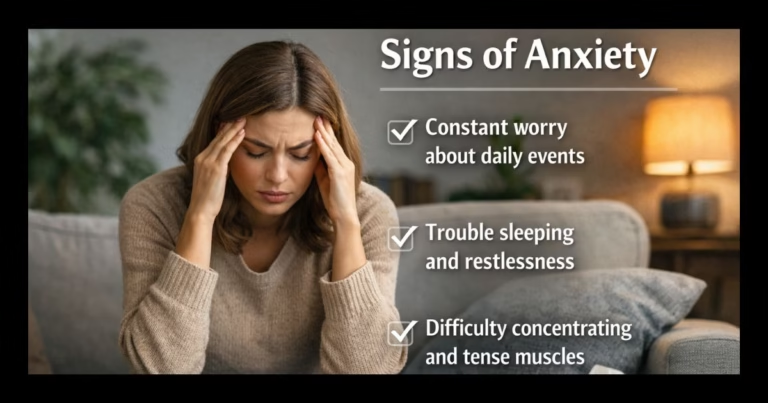
Overthinking and anxiety are common experiences that make the mind replay situations and worries endlessly, often creating tension and fear. These thoughts occur because the brain tries to protect us from mistakes, danger, or uncomfortable outcomes, but they can become overwhelming when repeated. Understanding overthinking and anxiety helps people recognize patterns early, manage their emotions better, and develop healthier ways to respond to stressful situations naturally.
Advertisement
Transform your ideas into content that’s clear, engaging, and SEO-ready—without the hassle.
Table of Contents
Key Takeaways
Overthinking happens when the mind repeatedly focuses on the same situation, problem, or decision, making it hard to move forward or find clarity. In everyday life, it can look like replaying conversations, worrying about outcomes, or imagining unlikely scenarios over and over again. Unlike careful thinking, which helps solve problems calmly, overthinking traps the mind in endless loops of doubt, making decisions feel heavier and emotions harder to manage naturally. For more guidance, visit American Psychological Association on Anxiety
People often overthink due to a fear of making mistakes, which creates constant worry about outcomes and consequences. Past experiences and unresolved self-doubt also contribute, causing the mind to replay situations and second-guess every action. Understanding these causes is important because it allows individuals to identify triggers, manage anxious thoughts, and develop healthier mental habits to reduce stress effectively in daily life.
Anxiety is a natural emotional response that makes the mind feel tense, worried, and uneasy about possible challenges or dangers. It affects thoughts by creating repetitive worries, impacts emotions by increasing fear and irritability, and influences the body through physical reactions like rapid heartbeat, muscle tension, and restlessness. Understanding anxiety helps people notice its signs early and take steps to calm the mind before these feelings become overwhelming in everyday life.
Anxiety can show itself through a variety of emotional and physical reactions that affect daily life. Common emotional signs include:
Physical and mental symptoms often include:
Overthinking fuels anxiety because repeated focus on worries or potential mistakes makes the mind feel tense and unsettled. As anxiety grows, it increases repetitive thoughts, creating a loop where fears feel more urgent and impossible to control. This cycle can affect decision-making, focus, and emotional stability, making everyday situations feel heavier than they are and reinforcing a constant state of mental pressure. For more guidance, visit healthline.com
The brain’s natural protection response contributes to this loop by alerting individuals to potential threats, even when none exist. Imagination and worry play a key role, causing the mind to exaggerate outcomes and fixate on problems, keeping thoughts and emotions trapped in a continuous cycle. Understanding why the mind gets stuck allows people to recognize patterns and adopt strategies to calm anxious thinking effectively.
Overthinking and anxiety can make it difficult to focus on tasks, complete assignments, or make important decisions at school or work. Emotional exhaustion often follows, leaving individuals feeling drained, irritable, or unable to fully engage with friends, family, or colleagues. These mental pressures can interfere with productivity, harm relationships, and reduce overall well-being, making it essential to recognize these patterns early and adopt effective coping strategies.
Overthinking and anxiety can have significant effects on both emotional and physical health, often disrupting daily routines and overall well-being. Common consequences include:
Practicing mindful breathing helps the mind focus on the present, reducing tension and repetitive worries naturally. Another helpful technique is writing thoughts down in a journal, which allows individuals to release negative emotions, organize ideas clearly, and gain perspective on their concerns. Both strategies are simple, effective, and can be incorporated into daily routines to calm anxiety and prevent overthinking from taking control.
Replacing negative thoughts with positive or realistic ones strengthens mental resilience and reduces the power of worry. Practicing self-kindness is equally important, as treating oneself with compassion helps manage anxiety and overthinking more effectively. Incorporating these habits consistently encourages emotional balance, improves confidence, and supports overall well-being, allowing individuals to respond to challenges without becoming trapped in repetitive, stressful thought patterns.
It is important to talk to trusted adults, friends, or mental health professionals when overthinking or anxiety feels overwhelming or affects daily life. Seeking support provides guidance, reassurance, and strategies to manage thoughts more effectively. Reaching out allows individuals to reduce stress, gain perspective, and build a safe environment where they feel understood and supported consistently.
Teaching children and young students about emotional awareness helps them understand their thoughts, feelings, and reactions in daily situations. It encourages open communication, allowing them to share worries or concerns with teachers, parents, or peers safely. Developing emotional intelligence early builds resilience, reduces anxiety, and promotes healthier relationships. By learning to identify and express emotions effectively, young minds can handle challenges more confidently and maintain better mental well-being.
Overthinking and anxiety are natural experiences that affect thoughts, emotions, and daily life, but understanding their patterns can help manage them effectively. Identifying triggers, practicing calming techniques, and building healthier thinking habits allow individuals to regain control and reduce stress naturally. Seeking support when needed and encouraging open communication further strengthens mental resilience. By applying these strategies consistently, anyone can manage their thoughts, improve emotional well-being, and face challenges with greater confidence and balance.
American Psychological Association. Anxiety. https://www.apa.org/topics/anxiety
Healthline. Anxiety and Depression. https://www.healthline.com/anxiety-and-depression
This article, “Overthinking and anxiety ,” is for informational and educational purposes only. It is not intended to replace professional diagnosis, treatment, or medical advice.
Hi, I’m SomAdnan — a mental health writer passionate about making psychology easy to understand. With a focus on emotional well-being and self-growth, I help readers navigate self-doubt, build confidence, and create healthier mindsets—one honest conversation at a time.
We’d love to hear your thoughts on this article. Your feedback helps us improve and provide content that is clear, supportive, and practical.
Please share your comments, questions, or suggestions. Your input is valuable and helps us create content that better supports emotional wellbeing and resilience.
We’d love to hear your thoughts on this guide—share your feedback here.