
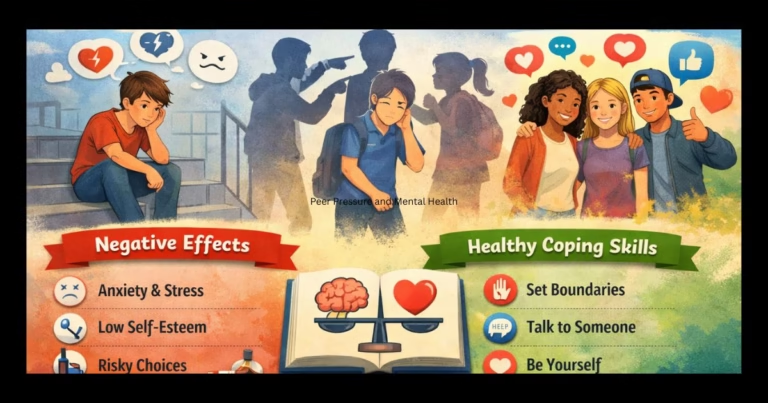
Peer pressure and mental health are closely connected, especially during school years when fitting in often feels emotionally important. This article explores how peer pressure affects mental health by influencing thoughts, emotions, and daily behavior. Many students feel stress or anxiety when they believe they must change themselves to be accepted. Over time, this pressure can quietly affect confidence and emotional well-being. Understanding this connection helps students make healthier choices and protect their mental health without sacrificing their true identity.
Table of Contents
- Introduction to Peer Pressure and Mental Health
- Understanding Peer Pressure
- Effects of Peer Pressure on Mental Health
- Emotional Stress and Fear of Rejection
- Role of Social Media
- Positive Peer Influence
- Coping with Peer Pressure
- Building Confidence and Self-Esteem
- Support from Schools and Families
- Conclusion
- References
- Disclaimer
Advertisement
Transform your ideas into content that’s clear, engaging, and SEO-ready—without the hassle.
Understanding Peer Pressure in Daily Life
Peer pressure does not always involve someone directly telling another person what to do. Often, it appears in subtle ways, such as copying behaviors, following trends, or agreeing with group opinions. Students may feel pressure to dress a certain way, use social media constantly, or hide their true feelings. This pressure usually comes from the fear of being judged or excluded. Wanting to belong is normal, but ignoring personal values can cause emotional discomfort. When students constantly adjust themselves to please others, they may feel anxious or emotionally tired. Recognizing peer pressure helps individuals pause and make decisions that support their mental health instead of harming it.
How Peer Pressure Affects Mental Health
Peer pressure can affect mental health by increasing stress, anxiety, and self-doubt. Students often compare themselves to others, which may lead to feelings of inadequacy. When someone believes they are not good enough, emotional health begins to suffer. According to the World Health Organization, mental health includes emotional, psychological, and social well-being, all of which influence how people handle stress and relate to others (World Health Organization – Mental Health Overview). Constant pressure to meet social expectations can disrupt this balance. Over time, students may feel overwhelmed, emotionally drained, or disconnected from themselves. Mental health challenges often grow silently when pressure is ignored.
Common mental health effects include:
- Increased anxiety and stress
- Low self-esteem and self-confidence
- Emotional exhaustion
- Fear of judgment or rejection
Emotional Stress and Fear of Rejection
Fear of rejection is one of the strongest emotional effects of peer pressure. Many students worry about being left out, laughed at, or misunderstood. This fear can cause emotional stress and constant overthinking. Students may agree to things they are uncomfortable with just to avoid feeling alone. Suppressing true thoughts and emotions creates internal pressure. According to the National Institute of Mental Health, long-term emotional stress can affect mood, sleep, and daily functioning (National Institute of Mental Health – Caring for Your Mental Health). When emotions are ignored, stress may appear as sadness, irritability, or withdrawal. Emotional safety is essential for healthy mental development.
Peer Pressure and Social Media Influence
Social media has increased the impact of peer pressure on mental health. Online platforms often show unrealistic images of happiness, beauty, and success. Students may compare their real lives to edited online moments. This constant comparison can lead to dissatisfaction and insecurity. Likes and comments may begin to feel like measures of self-worth. When online approval becomes important, mental health can decline. Excessive screen time also affects sleep and emotional regulation. Learning to use social media mindfully helps reduce pressure. Limiting screen time and focusing on real friendships supports emotional balance and self-confidence.
Positive Peer Influence and Mental Health
Not all peer pressure is harmful, and positive peer influence can support mental well-being. Supportive friends encourage healthy habits, emotional honesty, and self-respect. Being around people who respect boundaries helps reduce stress. Positive peer groups make students feel safe expressing their feelings without fear. Encouragement from friends can motivate healthier choices and emotional growth. According to UNICEF, supportive environments play a major role in protecting youth mental health (UNICEF – Mental Health and Well-being). Healthy friendships remind students they do not need to change themselves to belong. Positive influence strengthens emotional resilience.
Benefits of positive peer influence include:
- Emotional support and understanding
- Increased confidence
- Healthier decision-making
- Reduced stress and anxiety
Learning to Handle Peer Pressure
Learning how to handle peer pressure is an important life skill. Self-awareness helps students understand their values and limits. When individuals know what feels right, they make stronger decisions. Practicing respectful ways to say no builds confidence. Setting boundaries protects mental health and self-respect. Talking to trusted adults, teachers, or counselors provides guidance and reassurance. Seeking help shows strength, not weakness. Understanding that everyone experiences pressure helps students feel less alone. Coping skills improve with time, practice, and support. Emotional resilience grows when students trust themselves.
Helpful strategies include:
- Saying no without feeling guilty
- Choosing friends who respect boundaries
- Talking openly about feelings
- Asking for support when needed
Building Confidence and Self-Esteem
Confidence reduces the power of peer pressure. When students believe in themselves, outside opinions matter less. Building self-esteem involves recognizing strengths and accepting imperfections. Positive self-talk helps replace negative thoughts with supportive ones. Celebrating small achievements improves emotional confidence. Students who feel valued are less likely to follow harmful behaviors. Confidence grows through supportive relationships and self-kindness. Mental health improves when individuals stop measuring worth through others’ approval. Self-acceptance creates emotional balance and inner calm.
Supporting Mental Health in Schools and Families
Schools and families play an important role in helping students manage peer pressure. Open communication allows students to share concerns safely. Mental health education helps students understand emotions and social challenges. Parents and teachers who listen without judgment support emotional growth. Creating safe spaces for discussion reduces isolation. When adults model healthy behavior, students learn by example. Supportive environments build resilience and emotional security. Mental well-being improves when students feel understood and supported consistently.
Conclusion
Peer pressure and mental health are deeply connected, shaping emotional development and self-identity. While peer pressure is a normal part of social life, unmanaged pressure can harm emotional well-being. Understanding its effects helps students make healthier choices. Positive friendships, confidence, and emotional awareness reduce harmful influence. Mental health improves when individuals stay true to themselves and seek support when needed. Choosing authenticity over approval builds resilience. Emotional well-being grows stronger with patience, understanding, and self-respect.
References
World Health Organization. Mental Health Overview. https://www.who.int/health-topics/mental-health
National Institute of Mental Health. Caring for Your Mental Health. https://www.nimh.nih.gov/health/topics/caring-for-your-mental-health
UNICEF. Mental Health and Well-being. https://www.unicef.org/mental-health
Disclaimer
This article, “Peer Pressure and Mental Health,” is for informational and educational purposes only. It is not intended to replace professional diagnosis, treatment, or medical advice.