
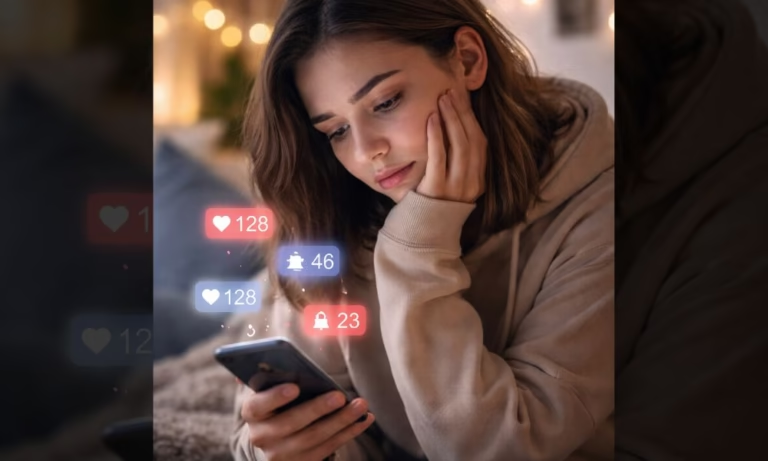
Social media has become part of everyday life, shaping how people communicate, learn, and express themselves. From sharing moments to staying connected across continents, these platforms have transformed human interaction in powerful ways.
At the same time, conversations around mental well-being have started to focus on how digital spaces influence emotions, behavior, and self-perception. While social media often receives criticism, it also offers meaningful benefits when used thoughtfully.
Understanding the positive effects of social media on mental health—along with its challenges—can help individuals build healthier online habits and protect their emotional well-being.
The relationship between social media and mental health is not as simple as “good” or “bad.” It depends largely on how people use these platforms and the type of content they engage with daily.
On one hand, social media opens doors to connection, awareness, and support. On the other, it can increase stress if usage becomes excessive or negative. Finding balance is the key to turning digital interaction into a positive experience rather than a harmful one.
For a deeper understanding of how emotional health is shaped by relationships and boundaries, you can explore this guide on emotional boundaries and mental health (internal link).
When used intentionally, social media can support emotional well-being in several meaningful ways.
One of the most powerful benefits of social media is the ability to connect with people who share similar experiences. Individuals dealing with stress, anxiety, or personal challenges can find comfort in online communities where they feel understood.
These digital spaces often reduce feelings of isolation and remind people that they are not alone in their struggles.
Social media has become a key platform for opening up discussions about mental well-being and reducing stigma.
Campaigns, hashtags, and personal stories encourage open discussions that were once considered taboo.
According to global health organizations like the World Health Organization (WHO), awareness and early support are essential for improving mental well-being. You can learn more through this resource on mental health awareness by WHO.
Another positive effect of social media is access to valuable information. Therapists, psychologists, and mental health advocates regularly share tips, coping strategies, and educational content.
This makes it easier for individuals to learn about stress management, emotional regulation, and self-care without barriers.
Social media gives people a creative outlet to express their thoughts and emotions. Whether through writing, videos, or art, sharing experiences can feel therapeutic.
For many users, simply putting feelings into words and receiving supportive feedback can bring a sense of relief and clarity.
Maintaining relationships has become easier through messaging, video calls, and shared content. Staying in touch with friends and family—even from a distance—helps build a sense of belonging.
Strong social connections are closely linked to better mental health, making this one of the most valuable advantages of social media.
While focusing on the positive effects of social media is important, ignoring its downsides would give an incomplete picture.
Scrolling through carefully curated posts can create unrealistic expectations. People often compare their real lives to others’ highlight reels, which can lead to self-doubt and low confidence.
Online harassment remains a serious concern. Hurtful comments or bullying can affect emotional stability and increase anxiety or depression, especially among young users.
Spending too much time online can disrupt sleep, reduce productivity, and increase stress levels. Without limits, social media can quickly shift from helpful to overwhelming.
Creating a healthier relationship with social media doesn’t mean quitting it completely. Instead, small mindful changes can make a big difference.
Limiting screen time helps prevent overuse. Setting daily usage goals or taking short breaks during the day can protect mental clarity and focus.
Curate your feed by choosing profiles that motivate, teach, or bring positivity into your day. Reducing exposure to negative or toxic content creates a more positive digital environment.
Stepping away from social media—even for a few hours—can help reset your mind. These breaks allow you to reconnect with real-life experiences and reduce stress.
Instead of passive scrolling, try meaningful interaction. Commenting, sharing thoughts, or joining supportive discussions can make your experience more fulfilling.
Social media continues to shape how mental health is understood worldwide. Campaigns, live sessions, and educational content reach millions of people within seconds.
It also provides a platform for professionals to share accurate information and guide users toward healthier coping strategies.
For more insights into how awareness impacts emotional well-being, you can explore this related article on mental health literacy and its importance (internal link).
Young people are among the most active social media users, making it essential to guide them toward healthy habits.
Parents and educators can encourage digital awareness, teach critical thinking, and promote balanced usage. When guided properly, social media can become a tool for learning, creativity, and emotional support rather than a source of pressure.
As technology continues to evolve, new opportunities are emerging. Artificial intelligence, personalized content, and virtual support systems are changing how mental health care is delivered online.
These advancements could make support more accessible and tailored to individual needs. However, responsible use and ethical practices will remain essential to ensure these tools truly benefit users.
The positive effects of social media on mental health are real, but they depend on how these platforms are used. When used thoughtfully, social media can foster connection, offer support, share valuable knowledge, and create a feeling of community.
At the same time, being aware of its risks helps create a balanced and healthier experience. By setting boundaries, choosing content wisely, and engaging meaningfully, individuals can turn social media into a powerful tool for emotional well-being.
In the end, it’s not about avoiding social media—it’s about using it in a way that supports your mental health rather than harms it.