
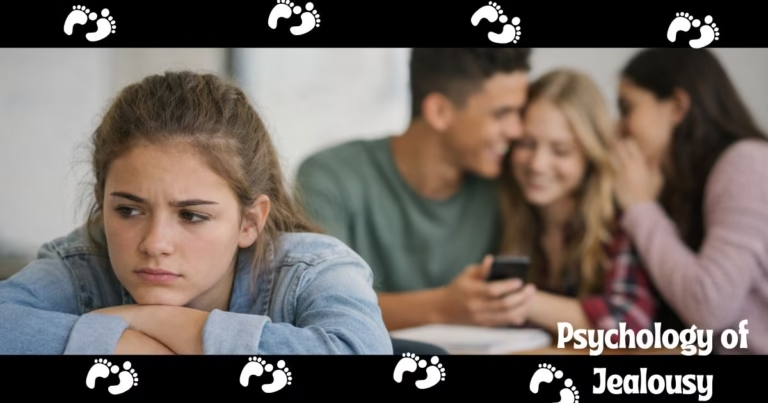
The psychology of jealousy explores how jealousy influences mental health, emotions, thoughts, and daily behavior in children and adults. Understanding the psychology of jealousy helps students recognize why people feel insecure, anxious, or threatened when they fear losing attention, love, or social importance. Jealousy is a natural emotion that occurs in families, friendships, schools, and other social environments, and it can appear at different stages of life. Learning about jealousy enables students to respond positively, build confidence, develop empathy, and maintain healthier relationships. Early emotional education is essential for preventing stress and supporting overall mental well-being. For further guidance on understanding emotions, visit the American Psychological Association: https://www.apa.org.
Table of Contents
Advertisement
Transform your ideas into content that’s clear, engaging, and SEO-ready—without the hassle.
Jealousy plays a significant role in mental health because it directly affects self-esteem, emotional stability, and social interactions. Repeated jealous thoughts may increase anxiety, frustration, or anger, especially if unrecognized or unmanaged. Understanding jealousy allows students to identify emotional triggers, respond calmly, and maintain mental balance. Mental health education can prevent unnecessary emotional distress and strengthen coping strategies. Students learning to manage jealousy early are better equipped to maintain friendships and positive social behaviors. Additional mental health resources are available at the Mental Health Foundation: https://www.mentalhealth.org.uk.
Understanding jealousy at a young age is critical for developing emotional intelligence and positive social skills. Children and teenagers often feel jealous due to comparison, fear of rejection, or social pressure from peers and schools. Learning about jealousy teaches students to express emotions constructively without anger or blame. Emotional education encourages empathy, patience, and respectful behavior toward others. By understanding jealousy, students gain self-awareness, resilience, and improved relationships. For practical tips on emotional learning and coping skills, students and parents can refer to Verywell Mind: https://www.verywellmind.com.
In psychology, jealousy is defined as an emotional response when someone feels threatened by the loss of a valued relationship, position, or attention. Unlike envy, which focuses on wanting what others have, jealousy involves fear of losing something meaningful. Psychologists suggest that jealousy evolved to protect emotional bonds and personal value. Occasional jealousy is natural, but persistent jealousy can harm self-esteem and emotional health. Recognizing jealousy as a common human emotion helps students respond thoughtfully, strengthen relationships, and develop healthier emotional habits.
One major cause of jealousy is insecurity, which arises when individuals doubt their abilities, worth, or importance. Low self-esteem can lead to frequent comparisons with others and feelings of inadequacy. Psychologists explain that insecure thoughts often exaggerate threats that may not exist, increasing stress and fear of being replaced or ignored. Building confidence and self-belief helps reduce jealousy by promoting emotional balance. Encouraging positive self-talk and personal goal-setting supports mental well-being and emotional resilience.
Fear of losing relationships, attention, or achievements often triggers jealousy in daily life. People may feel jealous when they perceive others receiving more recognition, praise, or opportunities. Social comparison, especially in schools or peer groups, intensifies these feelings. Understanding the psychology of jealousy shows that focusing on personal growth rather than comparing to others reduces stress and emotional pressure. Learning to value one’s own achievements helps students maintain healthy self-esteem and balanced social interactions.
Jealousy can strongly affect mental health by increasing stress, anxiety, and emotional discomfort if not managed properly. Persistent jealous thoughts may lead to sadness, frustration, and negative self-talk, impacting overall well-being. These emotions can interfere with sleep, concentration, and day-to-day productivity. Recognizing signs of jealousy early allows students to take constructive steps toward emotional regulation. Learning to manage jealousy promotes healthier coping skills, stronger relationships, and overall mental stability, making students better prepared for academic and social challenges.
Jealousy often influences behavior, causing withdrawal, defensiveness, or aggression in social situations. Some students may avoid peers, make accusations, or seek constant reassurance due to jealousy-driven insecurities. Psychologists note that these behaviors are often rooted in emotional fear rather than real problems. Left unchecked, they can harm friendships and trust. Encouraging open communication, emotional awareness, and reflective thinking helps students manage jealousy constructively, reducing negative behaviors and improving social confidence.
Jealousy frequently appears in friendships when attention, popularity, or achievements are perceived as unequal. Students may feel jealous when friends spend time with others or receive more recognition for accomplishments. Understanding jealousy helps students recognize these emotions as normal and manageable. Teaching constructive ways to express feelings prevents misunderstandings and strengthens trust. Healthy communication, empathy, and emotional regulation improve relationships and social development, allowing students to enjoy friendships without negative emotional conflict.
Social media can increase jealousy by displaying only highlights of others’ lives, achievements, and experiences. Students often compare themselves to idealized online images, overlooking challenges or struggles not shown. The psychology of jealousy indicates that constant social comparison may lower self-esteem and increase emotional insecurity. Limiting screen time, practicing mindful online use, and focusing on personal growth can reduce the negative impact of social media. Developing healthy digital habits supports emotional balance and mental well-being in daily life.
Understanding emotions is the first step in managing jealousy constructively. Naming feelings and identifying triggers helps reduce confusion and stress. Students can practice deep breathing, pausing before reacting, and discussing emotions with trusted adults or friends. Journaling thoughts or reflecting on feelings also encourages self-awareness. Developing emotional awareness strengthens self-control, decision-making, and resilience, allowing students to handle jealousy calmly and maintain positive relationships in academic and social settings.
Confidence and trust play key roles in reducing jealousy by promoting emotional security. Psychologists explain that building trust in oneself and others decreases fear and emotional misunderstandings. Strategies include setting personal goals, practicing gratitude, and engaging in positive self-talk. Open communication fosters trust and strengthens relationships. Combining confidence and trust creates emotional stability, allowing students to handle jealousy constructively, strengthen social bonds, and develop stronger mental health.
The psychology of jealousy helps students understand emotions, mental health, and human behavior in clear, meaningful ways. While jealousy is a natural feeling, learning to manage it improves confidence, relationships, and overall well-being. Understanding causes, effects, and coping strategies helps students respond thoughtfully and constructively. Emotional awareness, trust, and communication support personal growth and self-respect. Educating students about jealousy promotes emotional strength, empathy, and healthier social interactions, preparing young learners for balanced, successful lives.
Hi, I’m SomAdnan — a mental health writer passionate about making psychology easy to understand. With a focus on emotional well-being and self-growth, I help readers navigate self-doubt, build confidence, and create healthier mindsets—one honest conversation at a time.
We’d love to hear your thoughts on this article. Your feedback helps us improve and provide content that is clear, supportive, and practical.
Please share your comments, questions, or suggestions. Your input is valuable and helps us create content that better supports emotional wellbeing and resilience.
We’d love to hear your thoughts on this guide—share your feedback here.