
Can Anxiety Cause Brain Fog? Causes, Symptoms


Yes, can anxiety cause brain fog is a very common concern, and the answer is yes—anxiety can absolutely affect how clearly you think. Many people notice moments where their mind feels slow, distracted, or “cloudy,” especially during stressful periods.
Mental health professionals often describe this as a stress-related cognitive slowdown. According to the NHS anxiety information and the American Psychological Association, anxiety can significantly impact focus, memory, and mental performance when stress levels remain high.
This mental fog is not dangerous on its own, but it can feel uncomfortable and even scary when you don’t understand why it is happening. The good news is that it is usually temporary and closely linked to how the brain reacts to stress and worry.
In this article, we will break down can anxiety cause brain fog, why it happens, what it feels like, and practical ways to clear it naturally.
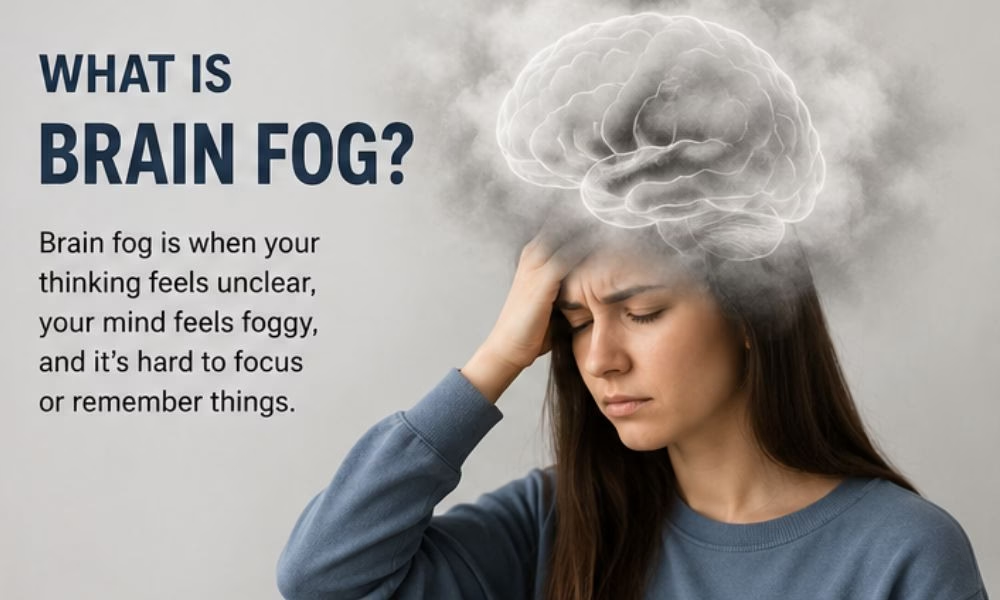
What Is Brain Fog?
Brain fog, on its own, is not a medical diagnosis. Instead, it is a term used to describe a group of symptoms that affect thinking, memory, and concentration. Many people describe it as feeling mentally cloudy, slow, or unable to think as clearly as usual. Brain fog often develops during periods of anxiety, stress, poor sleep, or mental exhaustion.
Common signs of brain fog
- Difficulty concentrating
- Forgetting simple information
- Feeling mentally slow
- Trouble processing thoughts
- Difficulty making decisions
- Feeling “disconnected” or spaced out
These symptoms can range from mild to severe and may come and go depending on stress levels and overall health. When people search “can anxiety cause brain fog,” they are usually trying to understand why anxious feelings make it harder to focus, remember information, or think clearly. In many cases, anxiety-related brain fog improves once the underlying stress is managed.
Can Anxiety Cause Brain Fog?
Yes, anxiety can cause brain fog. When anxiety becomes active, the brain shifts into a “threat response mode,” where the body prioritizes survival over clear thinking. Because of this, focus, memory, and logical thinking can temporarily slow down.
This is why many people feel mentally tired, distracted, or “not sharp” during anxious periods.
How the brain shifts into threat response mode
Constant overthinking fills the mind with too many thoughts at once. This mental overload reduces the brain’s ability to process information clearly. It becomes harder to concentrate or stay mentally organized, which contributes to brain fog.
If overthinking is frequent, reading How to Stop Overthinking and Anxiety Naturally can help reduce mental overload and improve focus.
How focus and memory are affected
During anxiety, the brain prioritizes safety over mental performance. This can make it harder to concentrate, process information, or remember small details. Tasks that normally feel easy may suddenly require more effort and attention.
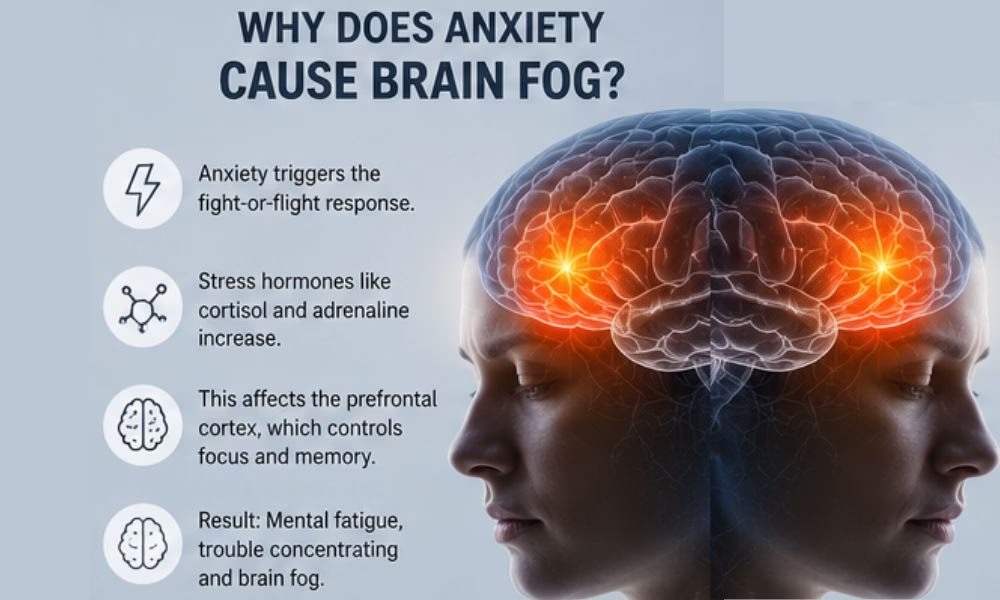
Why Does Anxiety Cause Brain Fog?
Anxiety can cause brain fog because it puts both the mind and body under continuous stress. When anxiety stays active for long periods, the brain struggles to maintain clear thinking, focus, and memory. This mental strain builds up over time and leads to feelings of confusion, slow thinking, and reduced mental clarity.
Several biological and psychological factors work together to create this effect.
What happens in your brain during anxiety
When anxiety triggers the fight-or-flight response, the brain prepares to deal with danger. In this state, survival becomes the priority, not clear thinking. As a result, higher cognitive functions like focus and reasoning become less efficient, leading to mental fog.
When your thoughts feel too overwhelming
Constant overthinking fills the mind with too many thoughts at once. This mental overload reduces the brain’s ability to process information clearly. It becomes harder to concentrate or stay mentally organized, which contributes to brain fog.
Poor sleep and fatigue caused by anxiety
Anxiety often disrupts sleep patterns, making it difficult to get deep, restful sleep. Lack of proper rest affects memory, focus, and mental energy the next day. Over time, this builds up and leads to persistent mental tiredness and fogginess.
Many people also experience this in the evening, especially when anxiety gets worse at night, which is explained in Why Does Anxiety Get Worse at Night?
Constant worry draining mental energy
Ongoing worry consumes a large amount of mental resources. Even when nothing physical is happening, the brain stays active in processing concerns, which reduces available energy for clear thinking and decision-making.
Why stress chemicals affect your thinking
Anxiety affects stress hormones like cortisol and adrenaline. When these remain elevated for long periods, they can interfere with normal brain function. This imbalance can reduce mental sharpness and contribute to feelings of brain fog.
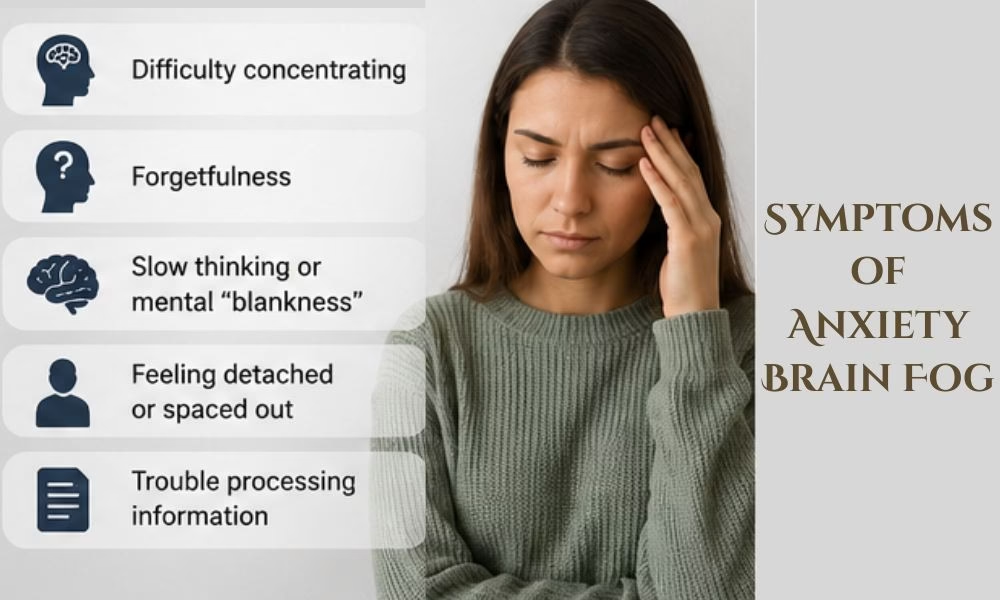
Symptoms of Anxiety Brain Fog
Anxiety brain fog can affect people in different ways, but it mainly impacts thinking, focus, and mental clarity. These symptoms often come and go, especially during stressful or anxious periods. Many people describe it as feeling mentally “off” or not fully present.
Difficulty concentrating
One of the most common symptoms is trouble focusing on tasks. Even simple activities may require more effort, and it can feel hard to stay mentally engaged for long periods.
Forgetfulness
People may start forgetting small details, such as names, tasks, or what they were about to do. This is often temporary and linked to mental overload from anxiety.
Slow thinking or mental “blankness”
Anxiety brain fog can make thinking feel slower than usual. Some people experience moments where their mind feels completely blank, especially during stress.
Feeling detached or spaced out
A common experience is feeling disconnected from surroundings or yourself. This can feel like you are “watching life” instead of fully participating in it.
Trouble processing information
Understanding or absorbing new information can become harder. The brain may take longer to process conversations, instructions, or complex ideas during anxious periods.
This overlaps with broader anxiety patterns explained in anxiety symptoms guide from Anxiety Disorders: Symptoms, Causes & Types.
When Does Anxiety Brain Fog Happen?
Anxiety brain fog does not appear at random. It usually shows up during periods when the mind and body are under extra stress. During these times, the brain becomes overloaded with thoughts, emotions, and physical stress responses, which can reduce mental clarity and focus.
During high stress periods
Anxiety brain fog often appears when stress levels are high. This could be due to personal problems, exams, work pressure, or emotional challenges. When stress builds up, the brain struggles to stay focused and clear.
After panic attacks
Many people notice brain fog after a panic attack. Once the intense anxiety passes, the body and mind feel exhausted. This can lead to temporary mental tiredness, slow thinking, and reduced concentration.
Morning anxiety episodes
Some people wake up feeling anxious, and this can bring immediate brain fog. The mind may feel heavy or unclear at the start of the day, making it difficult to think or plan properly.
Work or study pressure situations
Mental fog is common during demanding tasks like studying, exams, or work deadlines. When the brain is under pressure to perform, anxiety can reduce focus and slow down thinking.
Long-term chronic stress
When anxiety continues for a long time, the brain remains in a constant state of alert. Over time, this can lead to ongoing mental fatigue and frequent brain fog episodes, even during normal daily activities.
Anxiety Brain Fog vs Serious Medical Conditions
Anxiety brain fog can feel worrying, especially when it affects focus, memory, or clear thinking. However, in most cases, it is linked to stress and anxiety rather than a serious medical condition. Understanding the difference can help reduce fear and prevent unnecessary worry.
How to differentiate anxiety-related fog
Anxiety-related brain fog usually comes and goes depending on stress levels. It often appears during anxious periods and improves when you relax, rest, or calm your mind. You may notice it gets worse when you overthink or feel emotionally overwhelmed, but it does not stay constant throughout the day.
When symptoms may need medical evaluation
If brain fog becomes persistent and does not improve even when stress is reduced, it may be worth seeking medical advice. This is especially important if it starts affecting daily functioning, work performance, or memory over a long period of time.
Red flags to watch for
Certain symptoms should not be ignored. These include sudden confusion, severe memory loss, difficulty speaking, weakness in the body, or changes in vision. If any of these appear, it is important to consult a healthcare professional for proper evaluation.

How Long Does Anxiety Brain Fog Last?
Anxiety brain fog doesn’t last the same for everyone, and it can vary quite a bit from person to person. For some, it lasts only a few minutes during stressful situations, while others may experience it for days or weeks if anxiety continues. In most cases, brain fog gradually improves as anxiety becomes more manageable and the brain has time to recover.
Temporary vs. chronic cases
Temporary brain fog often occurs during periods of intense anxiety, panic attacks, or emotional stress. Once your stress levels decrease and your nervous system calms down, your focus and mental clarity usually begin to return.
However, if anxiety becomes chronic, brain fog may occur more frequently or last for longer periods. Ongoing stress, poor sleep, and constant worry can make symptoms persist until the underlying anxiety is addressed.
What influences recovery time?
Several factors can affect how quickly anxiety brain fog improves. These include the severity of your anxiety, sleep quality, stress levels, overall physical health, and daily lifestyle habits. Managing anxiety through healthy coping strategies, regular exercise, quality sleep, and relaxation techniques can help speed up recovery. If overthinking is contributing to your symptoms, reading How to Stop Overthinking and Anxiety Naturally may also help reduce mental fatigue and improve focus.
FAQs About Anxiety Brain Fog
Can anxiety cause memory problems?
Yes, anxiety can affect short-term memory by making it harder to concentrate and recall information. This usually happens because the brain is focused on managing stress rather than storing or retrieving memories. In most cases, memory improves as anxiety becomes better controlled.
Does brain fog go away after anxiety?
For many people, brain fog gradually improves as anxiety decreases. Getting enough sleep, reducing stress, staying physically active, and practicing healthy coping strategies can help restore mental clarity over time.
Is brain fog a symptom of panic attacks?
Yes, some people experience brain fog during or after a panic attack. The intense release of stress hormones can leave the brain feeling mentally exhausted, making it harder to think clearly or concentrate for a short period.
Can stress permanently affect thinking?
Stress-related brain fog is usually temporary and improves once stress is managed. However, long-term unmanaged stress may affect memory, attention, and concentration. If symptoms are severe, persistent, or interfere with daily life, it is important to speak with a healthcare professional for an evaluation.
Conclusion
Yes, anxiety can cause brain fog, making it harder to focus, remember information, and think clearly. Although these symptoms can feel frustrating, they are often temporary and improve as anxiety becomes better managed.
By reducing stress, improving sleep, staying physically active, and practicing healthy coping strategies, you can gradually regain mental clarity. If brain fog is severe, persistent, or accompanied by unusual symptoms, consult a healthcare professional for a proper evaluation.
For more clinical insights into anxiety-related symptoms, you can also refer to the Mayo Clinic anxiety overview.