
Trauma & PTSD: Understanding Trauma and Its Impact on Mental Health
Trauma and post-traumatic stress disorder (PTSD) can have lasting effects on emotional health, memory, and behavior. Even long after a difficult experience, individuals may continue to experience triggers, anxiety, or emotional distress. This category focuses on understanding how trauma impacts the brain and body, identifying common symptoms, and learning healthy coping methods that support gradual healing and emotional recovery.
Why Trauma Survivors Often Feel Stuck in Survival
Mode
Emotional exhaustion can quietly build up when stress, pressure, or ongoing challenges start draining your mental energy. This guide helps you understand the early signs, common causes, and how it can affect daily life.
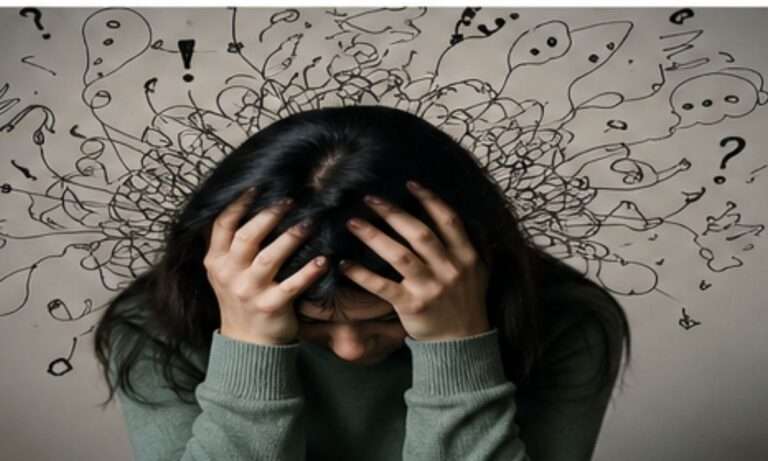

Signs of Emotional Exhaustion
Emotional exhaustion can quietly build up when stress, pressure, or ongoing challenges start draining your mental energy. This guide helps you understand the early signs, common causes, and how it can affect daily life.
Why Trauma Makes You Feel “Stuck in the Past” Even When Life Moves On
When life moves on but you feel left behind, trauma may be the reason. Learn how to begin moving forward.

Complex PTSD
Complex PTSD develops after long-term or repeated traumatic experiences, often occurring in situations where a person feels trapped or powerless.
Unlike traditional PTSD, complex PTSD often includes symptoms such as deep emotional pain, difficulty trusting others, chronic shame, and problems with self-identity.
People who experienced ongoing abuse, neglect, or toxic relationships may develop complex PTSD. Healing often requires long-term emotional support, trauma-informed therapy, and gradual rebuilding of self-worth.
Read more:
Complex PTSD
Narcissistic Abuse Recovery
Narcissistic abuse can leave deep emotional scars. Victims often experience confusion, self-doubt, and emotional exhaustion after being manipulated or controlled in a toxic relationship.
Recovery involves recognizing the patterns of abuse, rebuilding personal boundaries, and restoring confidence that may have been damaged over time.
With the right support and self-care strategies, individuals can gradually regain their independence and emotional strength.
Read more:
Narcissistic Abuse Recovery

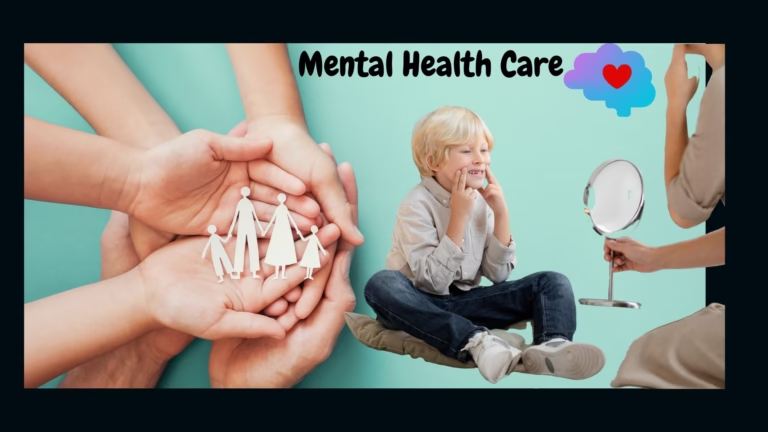
Childhood Trauma
Childhood trauma occurs when a young person experiences overwhelming events such as neglect, abuse, violence, or emotional instability at home.
These early experiences can shape the way someone views themselves and the world. Adults who experienced trauma in childhood may struggle with trust, anxiety, emotional regulation, or self-esteem.
Understanding childhood trauma is an important step toward healing. Therapy, supportive relationships, and self-awareness can help individuals process these experiences and develop healthier emotional patterns.
Read more:
Childhood Trauma

Vicarious Trauma
Vicarious trauma occurs when someone is repeatedly exposed to other people’s traumatic experiences. This often affects therapists, caregivers, healthcare workers, and first responders.
Listening to traumatic stories over time can lead to emotional exhaustion, anxiety, or changes in how a person views the world.
Self-care, professional support, and emotional boundaries are essential to prevent burnout and maintain psychological well-being.
Read more:
Vicarious Trauma
Post-Traumatic Stress
Post-Traumatic Stress Disorder (PTSD) can occur after someone experiences or witnesses a frightening or life-threatening event.
Common symptoms include flashbacks, nightmares, severe anxiety, and avoiding reminders of the trauma. These reactions are the brain’s way of trying to protect itself from further harm.
With proper treatment, including therapy and coping strategies, many people learn to manage PTSD symptoms and regain control of their lives.
Read more: Post-Traumatic Stress
Healing After Emotional Abuse
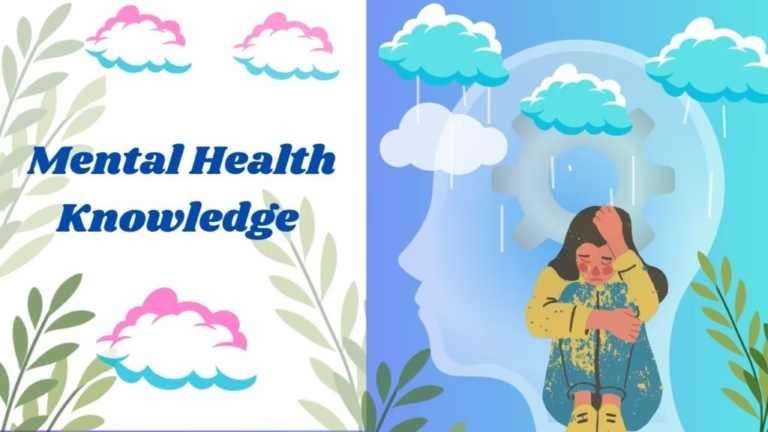
Emotional abuse is often invisible but extremely damaging. Constant criticism, manipulation, humiliation, or gaslighting can slowly erode a person’s self-esteem.
Healing begins by acknowledging that the abuse occurred and recognizing that the victim was not responsible for the harmful behavior.
Supportive therapy, healthy relationships, and self-compassion can help individuals rebuild their sense of identity and emotional safety.
Read more: Healing After Emotional Abuse
Moving Toward Healing
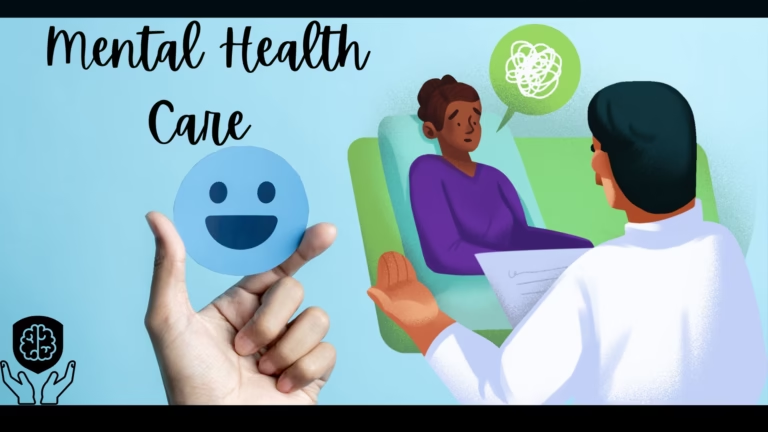
Trauma can feel overwhelming, but recovery is possible. With the right support, awareness, and mental health care, individuals can learn to process painful experiences and rebuild emotional resilience.
Exploring these topics can help you better understand trauma, recognize its impact, and discover pathways toward healing and growth.

FAQs
What is psychological trauma?
Psychological trauma occurs when a person experiences an event or situation that overwhelms their ability to cope. It can affect emotional health, relationships, and daily functioning.
What are common signs of trauma?
Common signs include anxiety, emotional numbness, flashbacks, difficulty trusting others, sleep problems, and feeling constantly on edge.
Can trauma affect mental health long-term?
Yes. Unresolved trauma can contribute to conditions such as PTSD, depression, anxiety disorders, and difficulties with emotional regulation.
How can someone begin healing from trauma?
Healing often involves supportive relationships, therapy, self-care practices, and gradually processing traumatic experiences in a safe environment.
Is professional mental health care important for trauma recovery?
Yes. Trauma-informed therapy and professional guidance can help individuals understand their experiences, develop coping strategies, and rebuild emotional resilience.
Conclusion
Trauma can influence emotional health, relationships, and daily life in many ways. Understanding different forms of trauma and their psychological effects is an important step toward healing and recovery.
Although the impact of trauma may feel heavy, support, awareness, and proper mental health care can help individuals rebuild emotional strength over time. Learning about trauma-related conditions also allows people to recognize symptoms and seek help when needed.
By exploring these topics and focusing on recovery, individuals can gradually regain confidence, restore a sense of safety, and move toward a healthier and more balanced life.
Explore More
- Complex PTSD – the effects of long-term trauma and how recovery is possible.
- Post-Traumatic Stress – understanding symptoms and treatment options.
- Trauma and Mental Health Care – the importance of professional support.
- Narcissistic Abuse Recovery – healing after manipulative and toxic relationships.