
Functional Freeze Response and Depression


Many people who feel emotionally numb, exhausted, or disconnected assume they are experiencing depression. While depression can cause these feelings, a Functional Freeze Response may create similar challenges. This state often develops when the nervous system remains stuck in survival mode after prolonged stress or trauma. As a result, a person may struggle with motivation, focus, and emotional connection even when no immediate danger is present.
Because the symptoms can overlap, it is easy to confuse a freeze response with depression. However, the causes and recovery approaches are not always the same. Understanding the link between Functional Freeze Response and depression can help individuals recognize their experiences, seek appropriate support, and take meaningful steps toward nervous system regulation and emotional well being.
Many people confuse functional freeze with depression because symptoms overlap. Trusted health organizations explain that depression can affect mood, energy, and thinking patterns in similar ways.
Key Takeaway
Functional Freeze Response and depression can look similar on the surface, but they come from different internal processes. One is linked to a protective nervous system response, while the other is a broader mental health condition. Understanding the difference helps in choosing the right support and recovery approach.
What Is a Functional Freeze Response
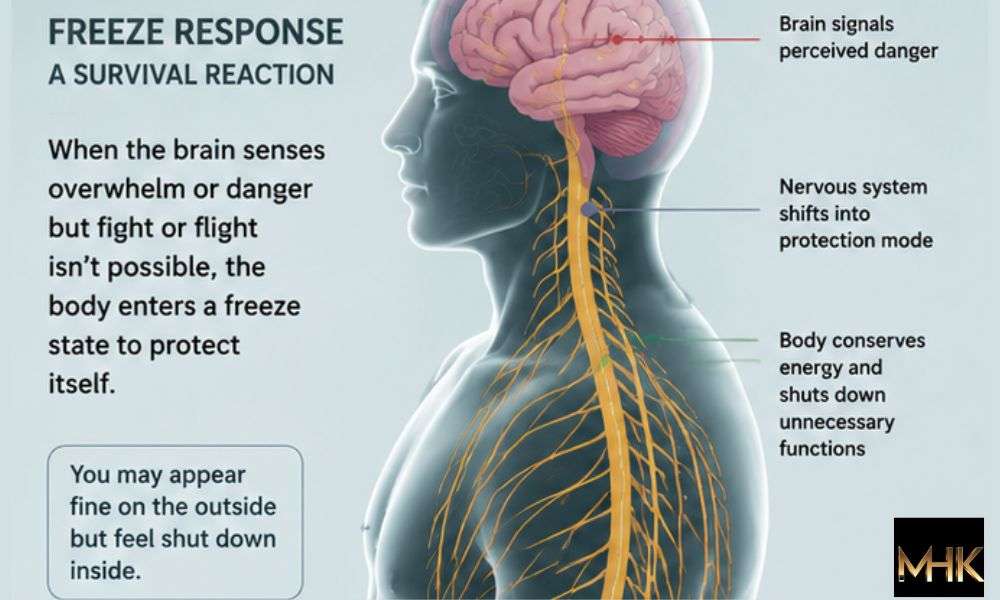
A Functional Freeze Response is a survival state where the body stays active on the outside but feels shut down inside. It often appears when a person has been under long-term stress, emotional pressure, or unresolved trauma. In this condition, the nervous system shifts into a protective mode to reduce emotional overload while still allowing basic daily functioning.
Understanding the Freeze Survival Response
The freeze response is one part of the natural survival system that includes fight, flight, and freeze reactions. When fight or flight feels impossible, the body may choose a freeze state as a last protective option. This reaction is not a choice but an automatic response from the brain and body trying to stay safe.
During trauma or ongoing stress, the nervous system can get stuck in this pattern. Over time, the person may feel emotionally distant, unmotivated, or mentally detached even in normal situations. This is often described as survival mode continuing long after the original stress has passed.
What Happens in the Nervous System During Functional Freeze
In a functional freeze state, the nervous system can become dysregulated, leading to a kind of internal shutdown. The body may conserve energy by reducing emotional expression and slowing internal responses.
This can create emotional and physical disconnection, where a person feels present but not fully engaged with life. They may struggle to feel joy, sadness, or motivation in a natural way.
This condition is closely tied to survival mode, where the brain prioritizes protection over emotional processing. As a result, everyday tasks may continue, but they often feel automatic or detached rather than fully lived.
What Is Depression
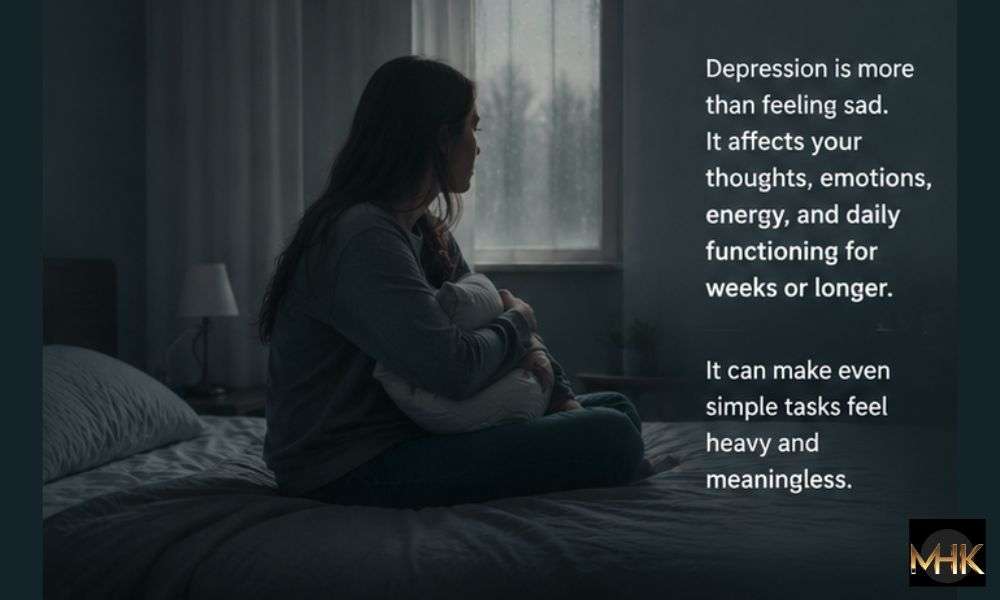
Depression is a common mental health condition that affects how a person thinks, feels, and functions in daily life. It is more than just feeling sad or low for a short time. Depression can influence emotions, energy levels, sleep, and even physical health. A Functional Freeze Response can sometimes look similar, which makes understanding both conditions important for clarity.
Understanding Depression Beyond Sadness
Depression is not only emotional sadness but a deeper and longer lasting condition that impacts multiple areas of life. People may feel empty, disconnected, or lose interest in activities they once enjoyed. It can also affect thinking patterns, making it harder to concentrate, remember things, or make decisions.
Physically, depression may cause changes in sleep, appetite, and energy levels. Some people feel slowed down, while others experience restlessness. These emotional, cognitive, and physical symptoms often appear together and persist for weeks or longer, affecting daily functioning and quality of life.
Common Causes of Depression
Depression does not come from a single cause. It often develops from a combination of factors that interact over time.
Genetics can play a role, as some people may have a higher risk based on family history. Brain chemistry differences can also affect mood regulation and emotional balance. Life stressors such as loss, financial pressure, or relationship difficulties may contribute as well.
In some cases, trauma can also be a contributing factor, especially when emotional experiences remain unresolved and continue to affect mental health over time.
Why Functional Freeze Response and Depression Are Often Confused
A Functional Freeze Response and depression can look very similar from the outside. Both conditions may affect mood, energy, and daily functioning, which often leads to misunderstanding. Because of this overlap, many people struggle to identify what they are actually experiencing without professional guidance.
Shared Symptoms
Both conditions share several common signs that can make them hard to distinguish. A person may experience emotional numbness, where feelings seem muted or distant. Low motivation is also common, making even simple tasks feel overwhelming.
Fatigue is another shared symptom, where the body feels constantly drained. Social withdrawal may occur as individuals lose interest in interaction or prefer to stay isolated. Difficulty concentrating can also appear, making it hard to focus or complete tasks. In addition, there may be a reduced interest in activities that once felt enjoyable or meaningful.
Why Misidentification Happens
The confusion between these two conditions often happens because their outward behaviors can look almost the same. In both cases, a person may seem withdrawn, tired, or less engaged with life.
However, the internal experience is different. In a functional freeze state, the nervous system is often in a survival response, where the body feels stuck between alertness and shutdown. In depression, the experience is more persistent and often includes deeper emotional heaviness and long lasting low mood. Understanding this difference is important for finding the right kind of support and care.
Functional Freeze Response vs Depression: Key Differences
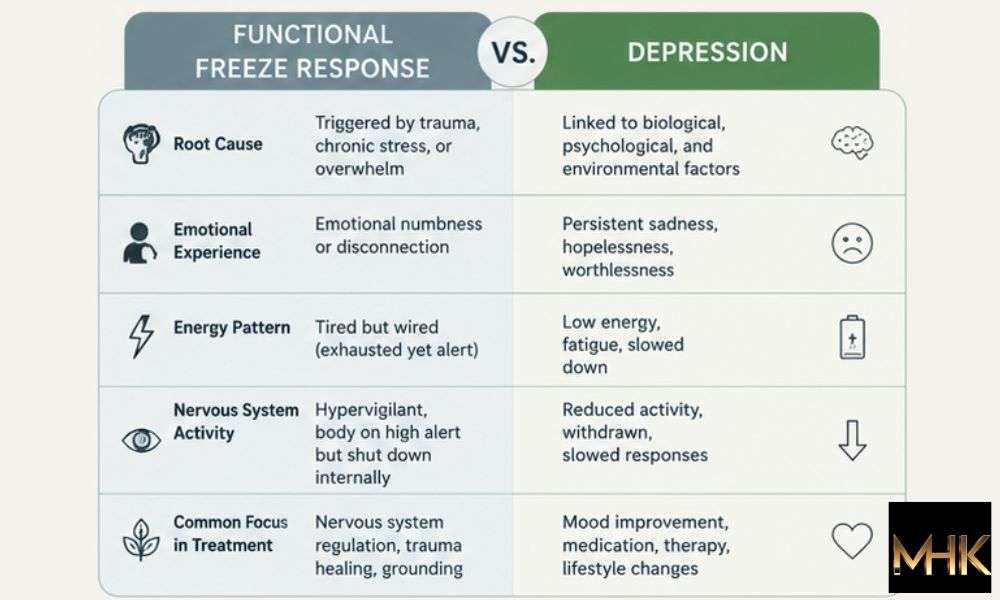
Understanding the difference between a Functional Freeze Response and depression is important because both conditions can look similar but come from different internal processes. While both may affect mood, energy, and daily functioning, the underlying causes and body responses are not the same.
Difference in Root Causes
A Functional Freeze Response is usually linked to trauma, chronic stress, or ongoing emotional pressure. It happens when the stress response shifts into a protective survival state to manage overwhelm.
Depression, on the other hand, is often connected to a mix of biological, psychological, and environmental factors. This can include brain chemistry changes, genetics, and long term emotional stress. While trauma can contribute to both, the root mechanisms are different.
Difference in Emotional Experience
In a Functional Freeze Response, a person often feels emotionally numb or shut down. It is less about sadness and more about disconnection from feelings.
Depression tends to involve deeper emotional heaviness such as sadness, hopelessness, or loss of meaning. The emotional tone is usually more persistent and emotionally painful compared to the flatness seen in freeze states.
Difference in Energy Patterns
A Functional Freeze Response is often described as feeling “tired but wired.” A person may feel exhausted but still internally alert or tense due to a dysregulated nervous system.
Depression usually shows up as consistently low energy. The body and mind feel slowed down, and motivation becomes very difficult to access for long periods.
Difference in Nervous System Activity
In a Functional Freeze Response, the body may show signs of hypervigilance and alertness even while feeling shut down. This is part of a survival mechanism where the system stays partially on guard.
In depression, activity levels are generally lower. Thinking, movement, and emotional responses may feel slowed, and the overall state is more withdrawn rather than alert or reactive.

Symptoms of Functional Freeze Response
A Functional Freeze Response can show up in many subtle and confusing ways. People often continue daily life, but internally they feel disconnected, drained, or emotionally distant. These symptoms usually come from a dysregulated nervous system that is stuck in a survival pattern rather than a relaxed state.
Emotional Numbness
One of the most common signs is emotional numbness. A person may struggle to feel joy, sadness, or excitement in a natural way. Life may feel flat or distant, even during moments that should feel meaningful. This experience is explored in more detail in Why Do I Feel Emotionally Numb but Not Sad?
Dissociation
Dissociation can also occur, where someone feels detached from themselves or their surroundings. It may feel like watching life from the outside or being mentally “checked out” during normal activities.
Hypervigilance
Even though the person may feel shut down, the body can stay alert at the same time. This state of hypervigilance creates a constant sense of being on edge or waiting for something to go wrong.
Feeling Disconnected
Many people describe a deep sense of disconnection from emotions, people, or daily experiences. This can make relationships and simple interactions feel distant or less engaging.
Racing Thoughts
The mind may feel busy or scattered, even when the body feels tired. Racing thoughts can make it difficult to relax or stay focused on one task.
Muscle Tension
Physical symptoms are also common, especially muscle tension in the shoulders, neck, or jaw. The body may stay tight as part of a stress response that has not fully released.
Difficulty Making Decisions
Simple decisions can feel overwhelming. Even small choices may require extra effort because mental clarity feels reduced.
Exhaustion with Nervous Energy
A key feature of this state is feeling exhausted but still internally restless. The body feels drained, yet the nervous system remains activated, creating a push and pull effect that is hard to settle.
Can Functional Freeze and Depression Occur Together
Yes, a Functional Freeze Response and depression can exist at the same time. In fact, many people who experience long term stress or trauma may show signs of both conditions. This overlap can make it harder to understand what is really happening without proper support. Some of these changes are also discussed in Signs Anxiety Is Turning Into Depression.
Understanding Co-Occurring Symptoms
People who have experienced trauma may develop both a freeze response and depressive symptoms. When the nervous system stays in survival mode for too long, emotional shutdown can blend with low mood and loss of interest in daily life.
One condition can also influence the other. For example, long periods of emotional disconnection from a Functional Freeze Response may increase feelings of sadness or hopelessness over time. In the same way, depression can make the body feel even more withdrawn, strengthening the freeze pattern. This creates a cycle where both states support each other and become harder to separate.
Why Professional Assessment Matters
Because the symptoms overlap so closely, self diagnosis is often unreliable. A Functional Freeze Response and depression require different types of support, even though they may share similar signs.
An accurate assessment from a qualified professional helps identify what is happening beneath the surface. This makes it easier to choose the right approach for recovery and avoid treatments that may not fully address the root cause. Getting the right guidance is an important step toward long term emotional stability and nervous system balance.
How Functional Freeze Response Is Treated
A Functional Freeze Response can improve with the right kind of support, especially when treatment focuses on both the mind and body. Since this condition is linked to a dysregulated nervous system, recovery often involves helping the body feel safe again while gently restoring emotional connection.
Somatic and Body-Based Approaches
Somatic therapy is often used to help individuals reconnect with physical sensations and release stored stress. Instead of only talking about experiences, this approach focuses on what the body is holding.
Grounding exercises can also be helpful. These practices bring attention back to the present moment through simple sensory awareness. Breathwork is another useful tool, helping to calm the nervous system and reduce internal tension over time.
Trauma-Focused Therapy
Trauma-focused therapy works by addressing the deeper emotional experiences that may have contributed to the freeze response. This can involve trauma processing in a safe and controlled environment, helping reduce the emotional weight tied to past experiences.
A key goal is nervous system regulation, which helps the body shift out of survival mode and into a more balanced state. Over time, this can improve emotional stability and reduce shutdown patterns.
Lifestyle Support for Recovery
Lifestyle changes can also support healing. Consistent sleep helps regulate mood and energy levels, giving the body time to reset. Gentle movement, such as walking or stretching, can improve physical awareness and reduce tension.
Stress reduction is equally important. Creating a calmer daily routine allows the nervous system to recover more naturally, making it easier to reconnect with emotions and daily life.
How Depression Is Treated
Depression treatment usually focuses on improving mood, energy, and daily functioning through a combination of professional support and healthy lifestyle changes. Since depression can affect thoughts, emotions, and the body, a balanced approach often works best for recovery.
Psychotherapy Approaches
Psychotherapy is one of the most common treatments for depression. It helps individuals understand negative thinking patterns and develop healthier ways of coping with emotional challenges.
Through regular sessions, people can explore underlying issues such as stress, trauma, or life changes that may be contributing to their symptoms. Over time, therapy can improve emotional awareness and support long term recovery.
Medication Options
In some cases, medication may be recommended to help balance brain chemistry linked to mood regulation. These medications are often prescribed based on individual needs and symptom severity.
When used correctly under medical supervision, medication can help reduce symptoms such as low mood, fatigue, and loss of interest, making it easier for individuals to engage in daily life and therapy.
Healthy Lifestyle Habits That Support Recovery
Healthy lifestyle habits can also play an important role in managing depression. Regular sleep helps stabilize mood and energy levels, while balanced nutrition supports overall brain health.
Light physical activity, such as walking, can improve emotional well being and reduce stress. Gradual changes in daily habits can support both physical and emotional recovery over time.
When to Seek Professional Help
It is important to seek professional support when emotional or physical symptoms begin to interfere with daily life. Both a Functional Freeze Response and depression can become more difficult to manage without guidance, especially when symptoms continue over time.
Symptoms Lasting Weeks or Months
If feelings of numbness, low mood, or disconnection last for several weeks or longer, it may indicate a deeper issue that needs attention. Short term stress usually improves with time, but ongoing symptoms often require professional care.
Daily Functioning Affected
When basic tasks such as working, studying, or maintaining relationships become difficult, it is a sign that support may be needed. A nervous system stuck in survival mode or prolonged depression can make everyday life feel overwhelming.
Thoughts of Self Harm
Any thoughts of self harm should be taken seriously. These feelings are a strong signal that immediate professional help is necessary. Support from a mental health professional or crisis service can provide safety and guidance during difficult moments.
Persistent Emotional Distress
Ongoing emotional distress, such as constant sadness, anxiety, or emotional shutdown, can gradually affect overall well being. Seeking help early can prevent symptoms from becoming more severe and can support a more stable recovery process.
FAQs
1. What is a Functional Freeze Response?
A Functional Freeze Response is a survival state where the nervous system stays stuck in protection mode after stress or trauma. A person may still function in daily life but feel emotionally numb, disconnected, or mentally exhausted inside.
2. How is functional freeze different from depression?
Functional freeze is mainly a nervous system survival response linked to stress or trauma, while depression is a mental health condition influenced by biological, psychological, and environmental factors. Freeze often includes alertness and tension, while depression is more linked to persistent low mood and hopelessness.
3. Can functional freeze be mistaken for depression?
Yes, because both conditions share symptoms like fatigue, low motivation, and emotional numbness. However, the internal experience is different, which is why proper assessment is important for correct understanding and support.
4. What are the common symptoms of functional freeze?
Common symptoms include emotional numbness, dissociation, hypervigilance, racing thoughts, muscle tension, difficulty making decisions, and exhaustion with nervous energy.
5. What are the symptoms of depression?
Depression often includes sadness, loss of interest in activities, hopelessness, changes in sleep or appetite, fatigue, difficulty concentrating, and persistent emotional distress.
6. Can a person have both functional freeze and depression?
Yes, both conditions can occur together, especially in people with long-term stress or trauma. When this happens, symptoms may overlap and feel more intense, making professional support very helpful.
7. How is functional freeze treated?
It is usually treated with somatic therapy, grounding techniques, breathwork, trauma-focused therapy, and lifestyle changes that support nervous system regulation and emotional safety.
8. How is depression treated?
Depression is commonly treated with psychotherapy, medication (when needed), and healthy lifestyle habits such as sleep improvement, exercise, and balanced nutrition.
9. When should someone seek help?
Professional help is important if symptoms last for weeks, affect daily functioning, or include thoughts of self-harm or ongoing emotional distress.
Conclusion
Functional freeze response and depression may look similar, especially through emotional numbness and low energy, but they come from different internal processes. A freeze response is linked to the nervous system reacting to chronic stress, while depression is a broader mental health condition. Understanding this difference improves awareness and supports better care through nervous system regulation and timely support.
Author Bio
Written and researched by Som Adnan for Mental Health Knowledge. This content is based on established mental health research and credible health references, written to offer accurate, compassionate, and easy-to-understand guidance.