
How Childhood Emotional Neglect Affects Adult Mental Health
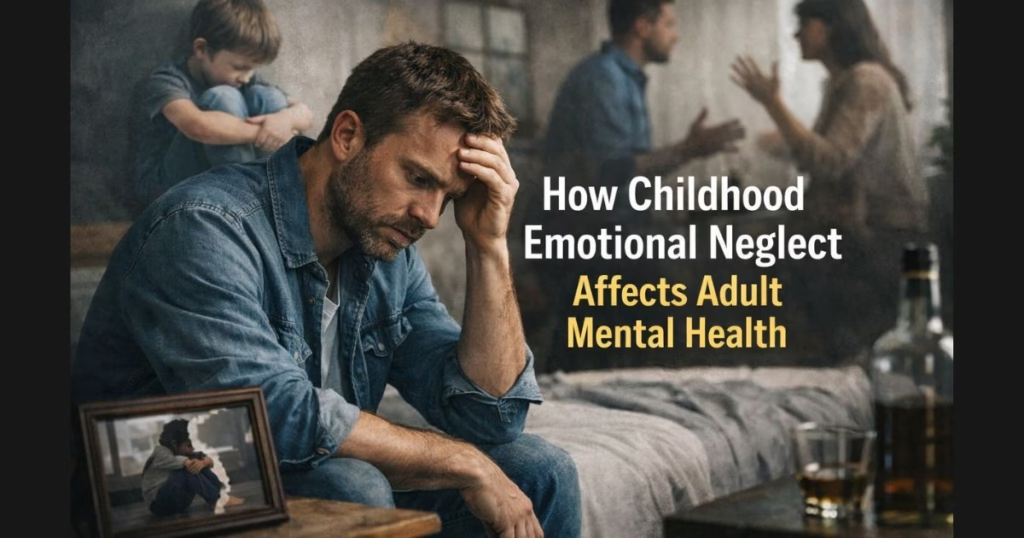
Childhood emotional neglect can affect how people understand their feelings, build relationships, and see themselves. These effects may continue into adulthood, sometimes without a clear connection to childhood experiences.
Emotional neglect happens when caregivers repeatedly fail to provide the emotional attention, comfort, and validation a child needs.
This article explores how childhood emotional neglect affects adult mental health, its possible signs, and practical steps toward emotional healing.
What Is Childhood Emotional Neglect?
Childhood emotional neglect occurs when a child’s emotional needs are consistently overlooked or inadequately addressed by caregivers.
It may involve limited affection, emotional responsiveness, encouragement, or support during difficult experiences.
Unlike emotional abuse, which may involve harmful words or actions, emotional neglect often involves the absence of necessary emotional care. A systematic review of childhood psychological maltreatment describes emotional neglect as a lack of necessary emotional care, warmth, and nurturing.
Examples of Childhood Emotional Neglect
Common examples include:
- Ignoring emotions: Dismissing a child’s sadness, fear, or frustration.
- Lack of comfort: Failing to provide reassurance during stressful situations.
- Emotional unavailability: Rarely listening to or responding to emotional needs.
- Limited encouragement: Overlooking achievements or personal interests.
- Invalidating feelings: Telling children their emotions are unimportant or exaggerated.
These experiences may influence emotional development, although their effects vary from person to person.
Signs of Childhood Emotional Neglect in Adults
Childhood emotional neglect does not always leave obvious signs. Some adults appear confident and independent while struggling to understand or express their emotions.
Possible signs include:
- Difficulty identifying or explaining feelings.
- Low self-esteem and frequent self-criticism.
- Fear of rejection or emotional closeness.
- Trouble trusting others or asking for help.
- People-pleasing and perfectionist tendencies.
- Emotional numbness or social withdrawal.
These signs are not unique to emotional neglect. They can also arise from other life experiences or mental health conditions.

How Childhood Emotional Neglect Affects Adult Mental Health
Emotional neglect may influence emotional regulation, relationships, self-worth, and psychological well-being.
A systematic review and meta-analysis of 90 studies found associations between childhood emotional neglect or abuse and several adult mental health difficulties.
These findings describe increased risks, not inevitable outcomes.
1. Difficulty Regulating Emotions
Children often learn to understand emotions through supportive interactions with caregivers.
When emotional needs are repeatedly ignored, some children may have fewer opportunities to develop these skills.
As adults, they may struggle to identify feelings, manage stress, or communicate emotional needs.
2. Low Self-Esteem and Self-Blame
Children who rarely receive emotional validation may begin questioning whether their feelings matter.
In adulthood, this can contribute to low self-worth, excessive self-criticism, or difficulty accepting appreciation.
For example, someone may apologize for expressing a reasonable concern or feel guilty when setting boundaries.
3. Trust Issues and Relationship Difficulties
Early emotional experiences may influence expectations about relationships.
Some adults become uncomfortable relying on others. Others fear rejection and seek frequent reassurance.
The National Child Traumatic Stress Network explains how adverse early experiences can affect emotional regulation and relationships.
These patterns can make emotional intimacy challenging, although supportive relationships can help people develop greater trust.
4. Anxiety, Depression, and Emotional Exhaustion
Childhood emotional neglect has been associated with an increased risk of anxiety and depressive symptoms.
A systematic review of longitudinal research found associations between childhood adversity, including neglect, and adult psychiatric disorders.
Some adults experience persistent worry, emotional disconnection, sadness, or reduced motivation.
Ongoing stress may also contribute to fatigue and difficulty coping. Learn more in our guide to signs of emotional exhaustion and recovery.
Emotional neglect alone does not establish the cause of these symptoms. Professional assessment may be helpful when they persist.
5. People-Pleasing and Perfectionism
Some people learn to seek approval by prioritizing others’ expectations.
As adults, they may avoid disagreements, struggle to say no, or believe they must perform perfectly to deserve appreciation.
These coping patterns can become stressful when personal needs are consistently overlooked.
6. Emotional Numbness and Withdrawal
Emotional numbness can involve feeling disconnected from emotions or having difficulty experiencing pleasure and excitement.
Some adults withdraw from relationships because expressing feelings seems uncomfortable or unsafe.
However, emotional numbness can have several causes, including depression, prolonged stress, medication effects, and other health concerns.
Can Childhood Emotional Neglect Cause Trauma or Complex PTSD?
Persistent emotional neglect can be a potentially traumatic childhood experience, especially when combined with other forms of adversity.
The CDC explains that adverse childhood experiences can affect long-term health, relationships, and well-being.
Some individuals develop heightened stress responses, emotional disconnection, or difficulty feeling safe.
Our article on why trauma survivors feel stuck in survival mode explores related experiences.
Prolonged childhood adversity may also be associated with difficulties involving emotional regulation, relationships, and self-image.
These experiences can overlap with symptoms of complex post-traumatic stress disorder. However, childhood emotional neglect does not automatically cause PTSD or complex PTSD.
Learn more in our guide to complex PTSD symptoms and causes.

How to Heal From Childhood Emotional Neglect
Healing is possible, although progress varies between individuals.
The goal is not to erase childhood experiences but to develop emotional awareness, healthier relationships, and more supportive coping strategies.
Recognize Your Emotions
Begin by noticing feelings without immediately judging them.
Try this simple evening exercise:
- Identify one emotion you experienced today.
- Write down what happened before you felt it.
- Notice how you responded.
- Ask yourself what you needed at that moment.
For example: “I felt anxious when my friend did not reply. I assumed they were upset with me. I needed reassurance.”
This exercise can help you recognize recurring emotional patterns without assuming every reaction comes from childhood neglect.
Practice Self-Validation
Self-validation means acknowledging your emotional experiences rather than automatically dismissing them.
Try replacing one self-critical thought each day.
Instead of saying, “I shouldn’t feel upset,” try, “My feelings deserve attention, and I can explore them calmly.”
You do not have to agree with every thought to acknowledge the emotion behind it.
Build Healthy Boundaries
Healthy boundaries help people communicate their needs while respecting others.
Practice with one manageable situation.
For example, instead of automatically agreeing to a request, say, “I need some time to think about that.”
Small changes can help you become more comfortable expressing your preferences.
Develop Supportive Daily Habits
Regular sleep, physical activity, meaningful activities, and supportive relationships can contribute to mental well-being.
Try scheduling ten minutes each day for a relaxing activity, brief reflection, or conversation with someone you trust.
These habits may support recovery, but they do not replace treatment when significant mental health symptoms are present.
Consider Professional Therapy
A qualified mental health professional can help identify emotional patterns and develop appropriate coping strategies.
Depending on individual needs, therapy may address self-esteem, relationships, emotional regulation, or trauma-related symptoms.
For additional guidance, read our article on healing after emotional abuse.
Emotional abuse and emotional neglect are different experiences, although they sometimes occur together.
When to Seek Professional Help
Consider seeking professional support when emotional difficulties persist or interfere with everyday life.
Warning signs may include ongoing depression, severe anxiety, relationship difficulties, emotional numbness, or distressing trauma-related symptoms.
A qualified professional can assess these experiences and recommend suitable support.
Frequently Asked Questions
Can childhood emotional neglect affect adults years later?
Yes. Some adults recognize possible connections between childhood experiences and current emotional or relationship difficulties years later.
However, similar difficulties can have other causes.
Does childhood emotional neglect always cause depression?
No. Emotional neglect is associated with increased risk, but depression is not an inevitable outcome.
Individual experiences, protective relationships, and other factors influence mental health.
Can adults heal from childhood emotional neglect?
Yes. Emotional awareness, supportive relationships, healthy coping skills, and appropriate professional treatment can help people make meaningful progress.
Recovery does not follow the same timeline for everyone.
Conclusion
Childhood emotional neglect can influence adult mental health through difficulties with emotional regulation, self-esteem, trust, and relationships.
Understanding these possible effects can help people recognize unhelpful patterns without assuming their past determines their future.
With supportive relationships, practical coping strategies, and professional guidance when needed, emotional growth and healthier connections are possible.
References
- Xiao et al. — The Impact of Childhood Psychological Maltreatment on Mental Health Outcomes in Adulthood
- Systematic Review — Childhood Adversity and Adult Psychiatric Disorders
- National Child Traumatic Stress Network — Effects of Complex Trauma
- CDC — About Adverse Childhood Experiences
Disclaimer: This article provides general educational information and does not replace professional medical or psychological advice.
Author
I’m SomAdnan, a mental health writer dedicated to making psychology and emotional well-being easier to understand. Through research-informed articles and practical insights, I explore topics such as anxiety, stress, self-doubt, relationships, and personal growth.
My goal is to help readers better understand their emotions, develop healthier coping strategies, and make informed decisions about their mental well-being.