
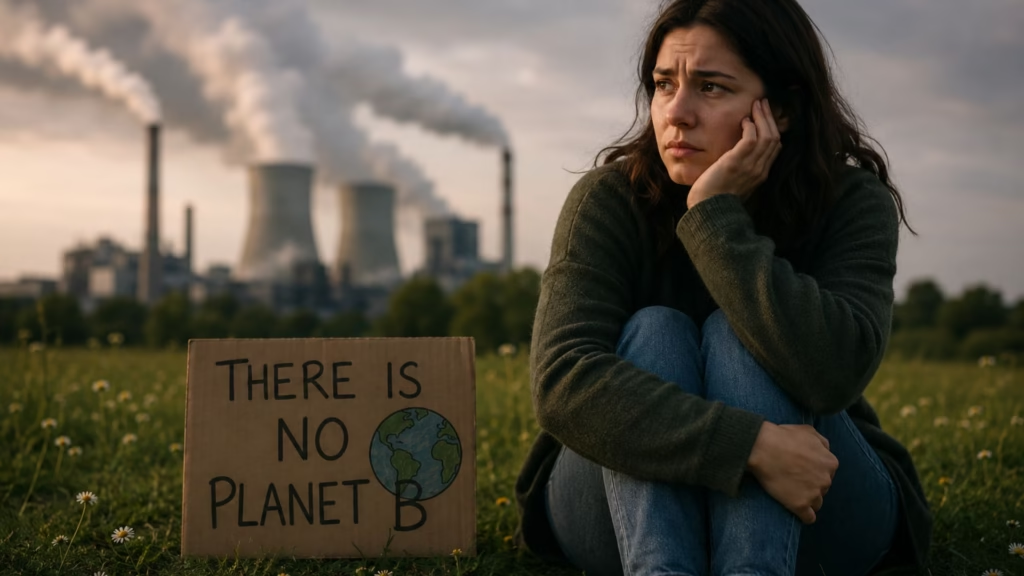
Climate anxiety is becoming more common as people grow increasingly aware of environmental changes and unpredictable weather patterns. Understanding how to deal with climate anxiety is important because this emotional response, often called eco-anxiety, reflects deep worry about the future of the planet and personal safety. While concern for the environment is natural, constant fear can affect daily life, sleep, focus, and overall emotional balance. Many individuals experience stress triggered by news, social media, or visible climate events around them. Environmental stress can gradually influence mental well-being over time if it is not managed properly.
By learning what causes these feelings and how to manage them, people can build healthier coping habits and feel more grounded in uncertain times. For more evidence-based information, you can also explore: World Health Organization – Mental Health and Climate Change.
Climate anxiety is a persistent emotional response to the ongoing awareness of environmental change, climate disasters, and uncertainty about the future. It goes beyond simple concern and often shows up as continuous worry, fear, or mental discomfort linked to global ecological issues.
In many cases, it reflects how the human brain reacts to threats that feel large, unpredictable, and outside personal control. Even when a person is not directly affected by natural disasters, repeated exposure to alarming climate information can create a sense of danger that feels constant and emotionally draining.
Although it is not classified as a clinical mental disorder, climate anxiety can still influence thought patterns, emotional stability, and decision-making. People may find themselves overthinking future scenarios, feeling powerless about environmental issues, or struggling to maintain focus in daily life because of ongoing worry.
Climate anxiety usually develops from a combination of psychological sensitivity, real-world environmental experiences, and constant information exposure.
From a psychological perspective, humans are naturally wired to respond strongly to threats. When a problem feels too large to solve—such as global climate change, it can trigger helplessness. This sense of lack of control often turns into ongoing worry or emotional stress.
Environmental exposure also plays a major role. People living in areas affected by heatwaves, floods, rising pollution, or extreme weather events are more likely to feel emotionally impacted because the threat feels immediate and personal.
Another major factor is modern media. News channels, documentaries, and social media platforms continuously highlight climate disasters, melting ice caps, and extreme weather events. While this information is important, constant exposure without emotional breaks can overload the mind and amplify anxiety.
Over time, this mix of fear, repetition, and emotional overload can lead to a cycle where the mind starts expecting danger even in normal situations, increasing stress levels and emotional exhaustion.
Climate anxiety can show up in different ways depending on the person. Some individuals experience repetitive thoughts about environmental disasters or future uncertainty. Others may feel emotionally drained, sad, or helpless when thinking about the planet.
Physical symptoms can also appear, such as trouble sleeping, restlessness, or difficulty concentrating. In some cases, people may avoid climate-related news because it feels emotionally overwhelming. These reactions can slowly interfere with daily routines and overall peace of mind.
One of the most effective ways to reduce emotional stress is to shift attention toward practical actions. Simple habits like reducing waste, conserving energy, or participating in local environmental efforts can help create a sense of purpose and control. Even small contributions matter when they are consistent.
Constant exposure to alarming updates can increase anxiety levels. It helps to set boundaries around news consumption and avoid endless scrolling on social media. Choosing specific times to stay informed can protect mental space while still keeping awareness balanced.
Relaxation techniques such as deep breathing, meditation, or journaling can help calm racing thoughts. These practices support emotional regulation and allow the mind to step back from overwhelming fears. Over time, they build resilience against stress triggers.
Talking with others who share similar concerns can reduce feelings of isolation. Community groups, environmental clubs, or even conversations with friends can provide comfort and shared understanding. Feeling heard often makes emotional burdens lighter.
Spending time outdoors can have a grounding effect on the mind. Walking in parks, sitting near greenery, or simply observing natural surroundings helps restore emotional balance. This connection with nature can also strengthen motivation to protect the environment in a healthier way.
Environmental stress can slowly build when a person constantly feels threatened by climate-related information or events. Over time, this may lead to emotional exhaustion or heightened anxiety sensitivity.
If you want to understand how emotional environments influence mental patterns more deeply, you can also read: How to Reset Your Mind After a Panic Episode Naturally.
Climate anxiety often leads to repetitive thinking loops where the mind keeps returning to worst-case scenarios. This can interfere with focus, sleep quality, and daily productivity. For practical ways to manage racing thoughts, you may find this helpful: How to Calm Racing Thoughts.
If worry about the environment starts interfering with daily life, sleep, or relationships, it may be helpful to speak with a mental health professional. Persistent anxiety, panic, or emotional exhaustion should not be ignored. Therapy or counseling can provide tools to manage thoughts more effectively and reduce emotional distress.
Climate anxiety is a natural response to real global concerns, but it does not have to control daily life. By understanding its causes and practicing healthy coping strategies, people can maintain emotional balance while staying aware of environmental issues. Small actions, supportive relationships, and mindful habits can make a meaningful difference in managing these feelings with calmness and clarity.
Written and researched by Som Adnan for Mental Health Knowledge. This content is based on established mental health research and credible health references, written to offer accurate, compassionate, and easy-to-understand guidance.