
Science of Stress: How It Affects Your Mind and Body

Stress is a natural part of life, and almost everyone experiences it at some point. While short-term stress can sometimes help people stay alert and focused, ongoing stress can quietly affect both the body and mind. When stress becomes constant, it begins to interfere with daily life and overall well-being.
Understanding the science behind stress makes it easier to recognize its effects early and respond in healthier ways. By learning how stress works, individuals can take better control of their emotional and physical health. According to the World Health Organization, long-term stress can significantly impact overall health if not managed properly, making awareness and early action essential.
The Connection Between Stress and Mental Health Care
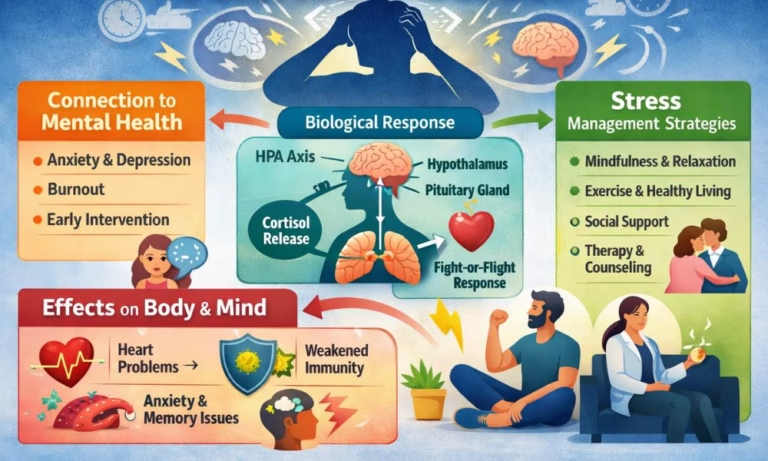
Stress and mental health are closely connected. When stress continues for a long time, it can increase the risk of conditions like anxiety, depression, and emotional burnout. Many people ignore early warning signs, which allows stress to build into more serious problems.
This is where mental health care becomes important. Simple strategies such as awareness, emotional regulation, and healthy coping methods can reduce the harmful effects of stress. If you want a deeper understanding of how mental health works overall, you can explore Mental Health Literacy as it builds a strong foundation for recognizing and managing stress effectively.
The Biological Mechanisms of Stress
Stress is not just a feeling—it is a biological response that affects multiple systems in the body. When a person faces a challenge or threat, the body reacts instantly to protect itself.
Role of the Hypothalamic-Pituitary-Adrenal Axis
The stress response is mainly controlled by the hypothalamic-pituitary-adrenal (HPA) axis. This system works like a chain reaction inside the body.
The hypothalamus recognizes stress and then signals the pituitary gland to respond. The pituitary gland then activates the adrenal glands, which release cortisol, the main stress hormone.
Cortisol plays an important role in helping the body respond quickly. It increases energy levels, sharpens focus, and prepares the body for action. However, when cortisol stays high for too long, it begins to harm the body instead of helping it.
The Impact on the Nervous System
Stress also activates the nervous system, especially the “fight-or-flight” response. This leads to noticeable physical changes.
The heart beats faster, breathing becomes rapid, and blood pressure rises. These reactions are useful in short situations, but when they continue for long periods, they put pressure on the body. Over time, this can lead to fatigue, tension, and other health issues.
How Stress Affects the Body
Long-term stress does not stay limited to the mind. It slowly impacts different systems in the body, often without immediate notice.
Cardiovascular System
Chronic stress can increase blood pressure and raise cholesterol levels. Over time, this puts extra strain on the heart and increases the risk of heart-related problems.
Immune System
Ongoing stress can reduce the body’s ability to fight off infections, increasing the chances of getting sick. It can also lead to ongoing inflammation, which is linked to chronic diseases.
Digestive System
Many people experience stomach-related issues when they are stressed. Problems like indigestion, ulcers, and irritable bowel symptoms become more common. Appetite may also change, leading to weight gain or loss.
Musculoskeletal System
Stress frequently leads to tightness in the muscles, particularly around the neck, shoulders, and back. This can result in frequent headaches, body pain, and stiffness that affects daily comfort.
How Stress Affects the Mind
While physical effects are visible, the mental impact of stress can be even more challenging. Stress influences emotions, thinking patterns, and behavior in subtle but powerful ways.
Emotional Effects
Stress can make emotions feel intense and harder to control. People may feel anxious, irritable, or overwhelmed. Over time, these feelings can develop into sadness or emotional exhaustion.
Cognitive Effects
Stress affects how the brain processes information. It can make it harder to stay focused, make memory weaker, and lead to poor decision-making. Tasks that once felt simple may suddenly feel difficult to handle.
Behavioral Effects
People often respond to stress through habits that are not always healthy. This may include overeating, avoiding responsibilities, or withdrawing from social life. Sleep patterns are also commonly affected, leading to fatigue and reduced productivity.
Mental Health Care Strategies for Managing Stress
Managing stress does not require complex solutions. Small, consistent changes can make a big difference in improving overall well-being.
Mindfulness and Relaxation
Mindfulness practices help people stay grounded in the present and ease excessive thinking. Simple breathing exercises and relaxation techniques can calm the mind and lower stress levels.
Physical Activity
Staying physically active is one of the most effective ways to cope with stress. Activities like walking, stretching, or light exercise help release endorphins, which naturally improve mood. Spending time outdoors can further enhance these benefits.
Healthy Lifestyle Choices
Eating a well-balanced diet helps the brain work properly and keeps emotions more stable.. Getting enough sleep allows the body to recover, while reducing caffeine intake can help prevent unnecessary anxiety.
Social Support
Talking with someone you trust can really help release emotional weight and make you feel mentally lighter and more supported. Support from friends, family, or community groups creates a sense of connection and comfort.
Professional Support
At times, reaching out to a trained professional can be an important step in managing these challenges. Approaches like Cognitive Behavioral Therapy can help individuals understand their thought patterns and develop healthier responses to stress. Seeking support is a practical step toward better mental health.
The Importance of Early Intervention
Addressing stress early prevents it from turning into more serious mental health conditions. Many people delay seeking help, which allows symptoms to grow stronger over time.
Warning signs may include constant anxiety, difficulty managing daily tasks, or relying on unhealthy coping methods. Recognizing these signs early can lead to better outcomes and faster recovery.
The Role of Work and Environment
Stress is often influenced by daily environments, especially work or academic settings. Long hours, pressure to perform, and lack of balance can increase stress levels.
Building a supportive environment can greatly improve overall well-being. Flexible routines, open communication, and awareness around mental health can help reduce stress and improve overall well-being.
Building Resilience to Stress
Resilience is the ability to handle challenges and recover from difficult situations. It does not mean avoiding stress but learning how to respond to it in a healthier way.
Developing resilience starts with a positive mindset and realistic expectations. Dividing tasks into smaller steps makes them easier to manage. Learning problem-solving skills also builds confidence in handling challenges.
Practicing gratitude and focusing on meaningful goals can further strengthen emotional resilience. Over time, these habits make it easier to cope with stress without feeling overwhelmed.
Long-Term Benefits of Managing Stress
When stress is managed effectively, both physical and mental health improve. People experience better focus, stable emotions, and stronger relationships.
Managing stress also reduces the risk of chronic illnesses and improves overall quality of life. It allows individuals to stay productive, maintain balance, and enjoy daily activities without constant pressure.
Conclusion
Understanding the science of stress is an important step toward better mental well-being. Stress may be unavoidable, but how it is managed makes all the difference. By recognizing its effects on the body and mind, individuals can take practical steps to stay balanced and healthy.
Focusing on awareness, building resilience, and seeking support when needed creates a strong foundation for long-term well-being. With the right approach, it becomes possible not only to manage stress but also to live a more stable and fulfilling life despite everyday challenges.