
Signs of Emotional Exhaustion: Symptoms and Recovery

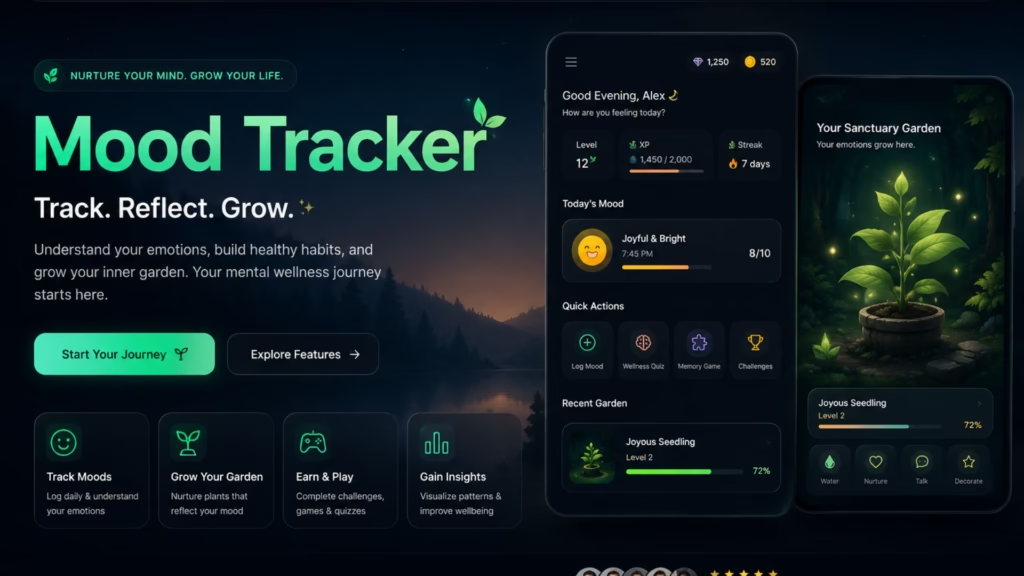
Free Mood Tracker & Habit Builder Track your daily mood, build powerful habits, and create a healthier routine that actually lasts. Simple tools designed to help you stay consistent, focused, and emotionally aware every day.
Many people quietly experience emotional exhaustion symptoms and causes without fully understanding what is happening inside them. Over time, it can affect focus, mood, and daily energy levels. Early awareness makes recovery easier and helps prevent deeper burnout. This guide will help you understand the signs, reasons, and simple ways to restore emotional balance in everyday life.
Many readers also find it helpful to understand related trauma responses in this guide on trauma and PTSD recovery.
What Is Emotional Exhaustion?
Emotional exhaustion is a state where a person feels mentally and emotionally drained for a long period of time. It goes beyond normal tiredness and often builds slowly when stress continues without proper rest or recovery.
Research from the American Psychological Association (APA) highlights that long-term stress can significantly affect emotional balance, thinking patterns, and overall mental health.
Connection With Chronic Stress and Burnout
It is closely connected with chronic stress and can often be an early stage of burnout syndrome if ignored.
How Emotional Exhaustion Develops Over Time
This condition does not happen overnight. It usually develops when emotional pressure keeps increasing without relief. Over time, the mind struggles to cope, and even small responsibilities can feel heavy.
Difference Between Fatigue and Emotional Exhaustion
Many people confuse it with simple fatigue, but emotional exhaustion affects thoughts, emotions, and overall mental balance in a deeper way.
Early Signs and Symptoms of Emotional Exhaustion
Emotional exhaustion often shows up quietly in the beginning, which makes it easy to ignore. A person may feel “off” without knowing the exact reason. Over time, both emotional and physical changes start to appear and slowly affect daily life, energy, and thinking patterns.

Emotional Symptoms
Emotionally, a person may lose interest in things they once enjoyed and feel unmotivated even for simple tasks. Irritability can increase, making small situations feel frustrating or overwhelming. Some people experience hopelessness or a constant feeling of being stuck in life. Others may feel emotionally numb or detached from people and surroundings. Anxiety and ongoing worry can also become more noticeable, affecting peace of mind.
Physical Symptoms
The body also reacts to emotional exhaustion in clear ways. Constant fatigue is one of the most common signs, even after rest. Headaches, body pain, and low energy may start affecting daily routines. Sleep problems such as insomnia are also common, along with brain fog and difficulty focusing. Some people may notice changes in appetite, either eating too much or too little.
Causes of Emotional Exhaustion
Emotional exhaustion builds when daily pressure keeps increasing without enough recovery. In many cases, long-term workplace stress can slowly develop into deeper emotional burnout, especially when recovery time is missing. Personal Life Stress
Personal responsibilities can also add emotional pressure. Family expectations, caregiving duties, financial struggles, and relationship problems often create ongoing stress. When these issues continue without support, they slowly build emotional fatigue and reduce mental strength.
Lifestyle and Mental Load
Daily habits and thinking patterns also play a big role. Overthinking, poor sleep, and lack of rest can keep the mind in a constant state of pressure. Continuous emotional load without proper recovery makes it harder for the brain to relax and recharge.
How Chronic Stress Leads to Emotional Exhaustion
When stress stays active for too long, the mind stays in a constant alert state. This slowly reduces emotional energy and makes it harder to recover after daily pressure. Over time, this constant state of stress weakens emotional resilience and makes recovery harder even after rest.
When Stress Turns Into Emotional Burnout
If chronic stress is not managed, it can gradually turn into emotional burnout. At this stage, a person may feel mentally drained, emotionally distant, and unable to handle everyday pressure in a healthy way.
Who Is Most at Risk of Emotional Exhaustion?
Some people are more likely to experience emotional exhaustion due to daily pressure and ongoing responsibilities.
Students and Academic Pressure
Students often face exams, deadlines, and ongoing performance pressure, which slowly builds mental fatigue over time. This kind of continuous stress can affect focus, energy, and emotional balance in daily life.
You can explore this further in the Academic Pressure: Strategies to Support Student Well-Being
Working Professionals and Job Stress
Long working hours, workload pressure, and lack of balance can drain emotional energy over time.
Caregivers and Family Responsibilities
Caring for others while managing personal needs can create continuous emotional overload.
High-Pressure Lifestyles
Fast-paced environments and constant expectations can quietly lead to emotional exhaustion.
How to Recover from Emotional Exhaustion
Recovering from emotional exhaustion takes time, patience, and small daily changes. The goal is not to fix everything quickly, but to slowly rebuild emotional strength and reduce pressure from everyday life. With consistent care, the mind can begin to feel lighter and more balanced again.
Reduce Daily Stress Triggers
Start by identifying what is adding unnecessary pressure to your routine. Reducing or managing these stress points can help the mind feel less overwhelmed and more in control.
Improve Sleep and Rest Routine
Good sleep is essential for emotional recovery. A regular sleep schedule helps the brain recharge and reduces feelings of fatigue and mental fog.
Practice Mindfulness and Relaxation
Simple breathing exercises, quiet moments, or short walks can calm the mind. These small habits help reduce emotional tension over time.
Talk to Someone You Trust
Talking to someone you trust can help relieve emotional stress. Feeling heard often helps reduce internal stress and confusion.
Seek Professional Support if Needed
If emotional exhaustion feels heavy or long-lasting, professional help like therapy can provide proper guidance and support for recovery.
Long-Term Effects of Untreated Emotional Exhaustion
If emotional exhaustion is not managed, it can slowly develop into burnout syndrome, where a person feels deeply drained, unmotivated, and disconnected from daily life. Over time, it may also increase the risk of anxiety and depression, especially when stress continues without relief.
It can also affect physical health, leading to constant fatigue, headaches, sleep problems, and weakened immunity. Many people also notice poor focus and memory, which makes everyday tasks harder to handle.
FAQ
What causes emotional exhaustion most often?
The most common cause is long-term, unmanaged stress that continues without proper rest or emotional recovery.
More specifically, it can come from:
- work pressure and tight deadlines
- ongoing personal responsibilities
- lack of sleep and proper rest
- constant mental overload such as overthinking and worry
- emotional demands from relationships or caregiving
What are common signs?
Common signs include fatigue, irritability, lack of motivation, and poor focus.
Can emotional exhaustion be treated?
Yes, with rest, stress reduction, and lifestyle changes it can improve over time.
Is it the same as burnout?
It is closely related, but burnout is often a more advanced stage of emotional exhaustion.
Final Thoughts
Emotional exhaustion is not a sign of weakness, but a response to long-term stress. When life feels overwhelming, the mind needs rest and care just like the body. Paying attention to early signs and making small changes can help restore balance and improve daily well-being. Healing takes time, but with awareness, support, and patience, recovery is possible.
For a deeper understanding of how long-term stress impacts the mind, you can also read about Post-Traumatic Stress and Mental Health.
Author Bio
Written by Som Adnan for Mental Health Knowledge, using trusted mental health research from WHO, APA, and peer-reviewed studies.