
Why Trauma Survivors Feel Stuck in Survival Mode
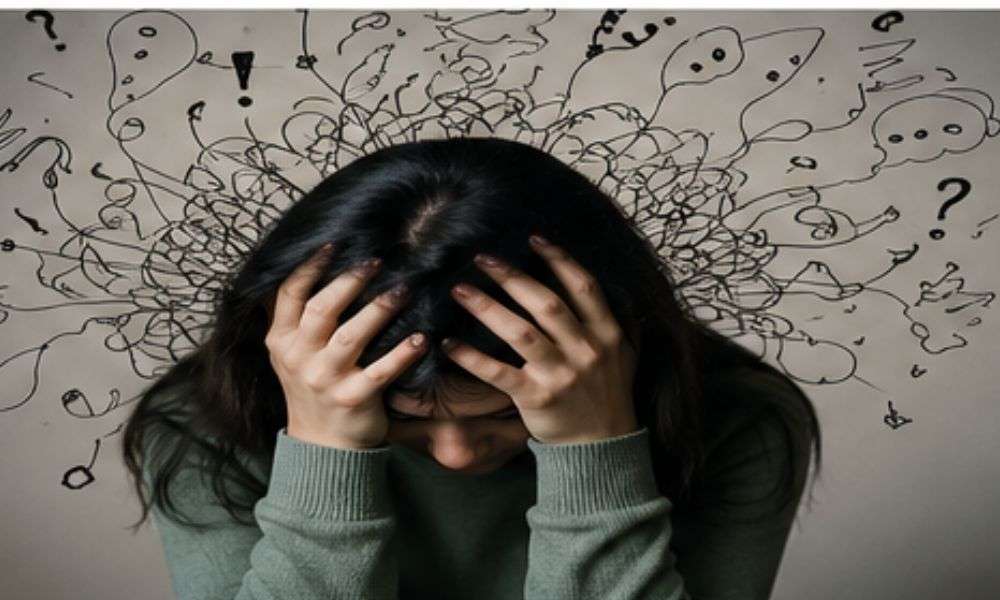
Many trauma survivors continue to experience anxiety, fear, or emotional disconnection long after a traumatic event has passed. Even when they are safe, relaxing, trusting others, and enjoying everyday life can feel difficult.
Being stuck in survival mode can leave you constantly on edge, avoiding painful reminders, or feeling overwhelmed by situations that bring back distressing memories.
Understanding these reactions is an important step toward recovery. With helpful coping strategies, supportive relationships, and professional guidance when needed, you can gradually learn to manage difficult emotions and rebuild a sense of safety.
What Does Survival Mode Mean After Trauma?
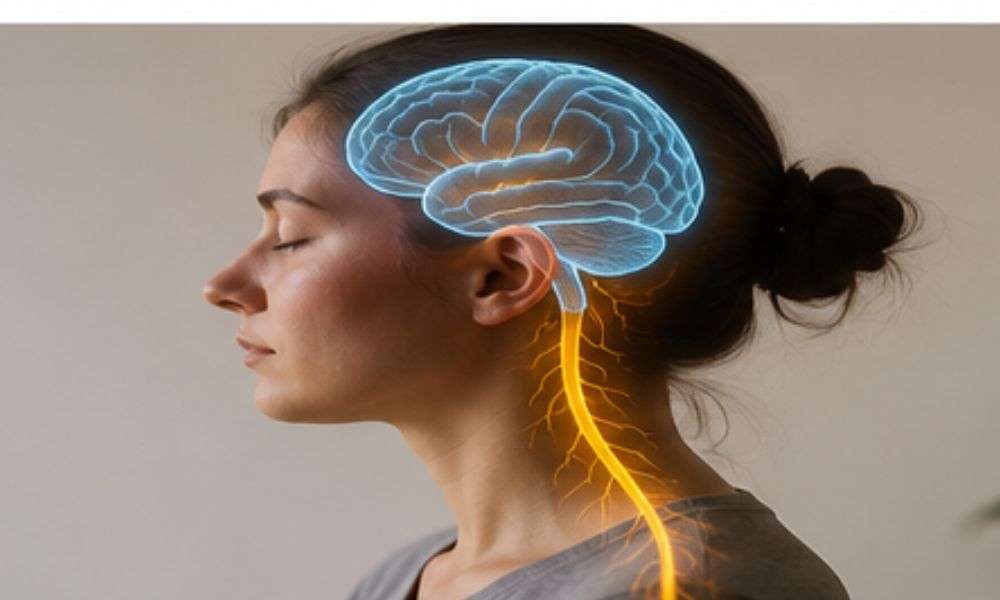
Survival mode is an informal term used to describe a state in which a person feels focused on protecting themselves from danger or managing ongoing stress. After a frightening or overwhelming experience, someone may remain watchful, tense, or emotionally distant even when the original threat is no longer present.
For example, a person who experienced an unpredictable or unsafe relationship may find it difficult to trust a new partner. After a serious accident, a person might feel uneasy while driving or riding in a vehicle, whereas someone else may withdraw from discussions linked to a distressing experience.
These reactions can be understandable responses to distressing experiences. However, survival mode is not a formal medical diagnosis. Persistent symptoms can have different causes, and not everyone who experiences trauma develops post-traumatic stress disorder (PTSD).
How the Body Responds to a Threate
When a person senses danger, the brain and body can respond quickly to help them protect themselves. Such reactions can affect how a person thinks, feels, experiences bodily sensations, and behaves.
Commonly described responses include:
Fight
Becoming defensive, angry, or ready to confront a perceived threat.
Flight
Wanting to escape, avoid a situation, or stay constantly busy.
Freeze
Feeling stuck, overwhelmed, unable to act, or disconnected.
Appease
Trying to please someone, avoid conflict, or keep another person calm when feeling threatened.
These terms are useful ways to describe patterns people may experience, but they are not a checklist for diagnosing a condition. Responses vary from person to person, and someone may react differently in different situations.
Why Trauma Survivors May Remain on High Alert
The Past Can Influence How Safe the Present Feels
After a frightening experience, reminders such as a raised voice, a particular smell, or a familiar location may bring back distressing memories or feelings. A person may react before they have time to consider whether the current situation is actually dangerous.
Their reaction is not necessarily something they consciously choose or can easily control. Their response may be influenced by what they have previously experienced and learned to watch for.
Traumatic experiences can sometimes make it difficult to feel fully present, especially when reminders bring back painful memories. Learn more about why trauma makes you feel stuck in the past and how these experiences may affect everyday life.
Understanding What Happened Does Not Always Stop the Reaction
Someone may know that a traumatic event is over and still feel anxious when something reminds them of it. Understanding the experience intellectually and feeling safe in the moment are not always the same thing.
For instance, a person may recognize that a new relationship is different from a harmful one but still struggle with trust, reassurance, or fear of rejection.
Avoidance Can Make Everyday Life More Difficult
Avoiding reminders can sometimes offer short-term relief. However, when avoidance begins to affect relationships, work, social activities, or daily responsibilities, it can make life feel increasingly restricted.
Not every form of avoidance is harmful. Staying away from a genuinely unsafe person or environment may be an important protective step. The goal is not to ignore real danger but to recognize when fear is limiting activities that are reasonably safe.
Ongoing Stress Can Make Recovery Harder
Trauma-related distress may be harder to manage when someone is also dealing with financial pressure, isolation, poor sleep, an unsafe living situation, or other continuing challenges.
Recovery can be especially difficult if the threat has not actually ended. When the threat is ongoing, securing a safer environment and obtaining practical assistance may be just as important as developing emotional coping strategies.
Common Signs of Feeling Stuck in Survival Mode
People respond to trauma in different ways. Some become highly alert, while others withdraw, feel numb, or struggle to understand their emotions. Possible signs include the following.
People may also experience changes in mood, sleep, and their sense of safety after a traumatic experience. For more information, read the VA National Center for PTSD’s guide to common reactions after trauma.
Constant Anxiety or Hypervigilance
You may feel on edge, scan your surroundings for possible problems, or become easily startled by sudden sounds. It may be difficult to relax because part of your attention remains focused on what could go wrong.
Emotional Numbness or Disconnection
You might feel detached from other people, have difficulty expressing affection, or find it harder to enjoy activities you previously liked. Emotional numbness can be distressing, but it does not mean you lack feelings or care about others.
Avoiding People, Places, or Conversations
You may avoid certain locations, relationships, topics, or situations because they remind you of what happened. Avoidance can provide temporary relief, but extensive avoidance may interfere with everyday life.
Feeling Exhausted but Unable to Relax
Ongoing worry, disturbed sleep, muscle tension, or repeatedly anticipating problems can leave you feeling tired. Even during quiet moments, you may find it difficult to settle down.
Strong Emotional Reactions to Reminders
A familiar sound, unexpected criticism, or a tense conversation may bring up fear, anger, sadness, or panic. At times, the emotional response may seem unusually intense compared with what is happening in the present moment.
Difficulty Trusting Others or Feeling Present
You may expect people to disappoint you, struggle to ask for help, or find it difficult to concentrate on the present. These experiences can affect friendships, work, and intimate relationships.
Experiencing one or more of these signs does not automatically mean you have PTSD. If symptoms persist, cause significant distress, or interfere with daily life, a qualified healthcare professional can help you understand what may be happening.
Living in a prolonged state of stress can leave you mentally and physically drained. If you frequently feel overwhelmed or struggle to recover your energy, learn more about the signs of emotional exhaustion.
Why Understanding Trauma Is Not Always Enough
Learning about trauma can help you understand why you respond to certain situations with fear, anxiety, or emotional distress. It may reduce self-blame and help you recognize patterns that once felt confusing. However, knowledge alone does not always make distressing feelings disappear.
For example, you might understand why you become anxious during conflict but still experience a racing heart or a strong urge to withdraw when an argument begins.
Experiencing difficult emotions again does not mean your trauma recovery has gone backward or that your previous progress no longer matters. It may mean you need additional support, opportunities to practise coping skills, or professional treatment suited to your needs.
Recovery is not about forcing yourself to stop feeling afraid. Recovery involves learning to manage challenging emotions and responding to them in ways that protect your emotional well-being.
How to Begin Moving Beyond Survival Mode After Trauma
Because every person’s experience is different, the most helpful approach to trauma recovery may vary from one individual to another. The following approaches may help you manage distress and take gradual steps toward recovery.
1. Start by Building a Sense of Safety
Before focusing on difficult memories, consider what would help you feel safer in your current life. This might mean setting boundaries, reducing contact with someone who harms you, finding a more stable routine, or identifying a trusted person you can contact.
When abuse or a real danger is still present, prioritize your immediate safety and seek trustworthy local assistance. You can prioritize your safety and leave harmful situations without feeling that you have failed in your trauma recovery.
2. Practise Grounding Techniques
Grounding can help redirect your attention toward the present when you feel overwhelmed by a memory or reminder.
Try a simple exercise:
- Look around and name five things you can see.
- Notice three things you can hear.
- Notice the physical support beneath you by pressing your feet gently into the floor or feeling the surface beneath your hands.
- Remind yourself of the current date and where you are, if doing so feels helpful.
Keep the exercise gentle. If focusing on your body or breathing increases your distress, stop and try something else, such as describing objects in the room or speaking with a trusted person.
3. Notice Your Emotions Without Judging Them
When a strong feeling appears, try naming it without criticizing yourself. Try putting your emotions into words, such as “I feel frightened right now,” “This situation is overwhelming me,” or “Something about this conversation reminds me of a painful experience.”
Once you identify what you are feeling, ask yourself what might help you feel more comfortable, supported, or secure in the moment. You might need a short break, clearer boundaries, reassurance, or time to think. Rather than suppressing an emotion, acknowledge what you feel and choose a healthy way to respond.
4. Use Small, Manageable Coping Strategies
You can make progress toward better emotional well-being without trying to transform every area of your life at the same time. Small actions can help you create more structure and make everyday demands feel manageable.
You might try:
- Try maintaining a regular bedtime and wake-up time to support a more stable daily routine.
- Taking a short walk or doing gentle movement if it feels comfortable.
- Breaking difficult tasks into smaller steps.
- Set aside time for hobbies, activities, or everyday experiences that bring you enjoyment, meaning, or a sense of connection.
- Limiting contact with people who repeatedly violate your boundaries.
- Reaching out to someone you trust instead of handling everything alone.
These steps are not a substitute for treatment when treatment is needed. Think of them as supportive habits rather than a test of how well you are recovering.
5. Build Supportive Relationships
Trauma can make trust difficult, especially when another person has caused the harm. You do not have to trust everyone or share your experiences before you are ready.
Start with people who respect your boundaries, listen without pressuring you, and behave consistently. You can explain what helps you feel supported, such as being given time to respond or being asked before someone offers advice.
Healthy support should help you feel respected, not obligated to disclose painful details.
Early emotional experiences can shape how people develop trust, express their feelings, and connect with others as adults. Learn more about how childhood emotional neglect affects adult mental health and its possible effects on emotional well-being and relationships.
6. Consider Professional Support
If distressing memories, anxiety, emotional numbness, avoidance, or sleep problems continue to affect your life, consider speaking with a qualified mental health professional.
Depending on your symptoms and circumstances, a professional may discuss trauma-focused cognitive behavioral therapy (CBT), eye movement desensitization and reprocessing (EMDR), or other appropriate treatments. The best approach depends on your individual needs and should be discussed with a trained provider.
Consider seeking professional mental health care as soon as emotional distress begins affecting your daily life; you do not need to wait for your symptoms to become uncontrollable. Getting support is a reasonable step toward feeling better, not a sign of weakness.

Small Steps Matter During Trauma Recovery
Progress may not always feel dramatic. You might notice that you recover more quickly after a stressful conversation, sleep a little better, recognize a trigger sooner, or feel more comfortable asking for help.
These changes can be meaningful even when difficult days still occur.
Try to avoid measuring recovery against someone else’s timeline. Your circumstances, support system, experiences, and needs may be different from theirs.
If you experience a setback, it does not automatically erase your progress. Reflect on what triggered your distress, identify the support you need, and consider whether a different coping strategy might work better. If trauma-related symptoms become more severe or start disrupting your relationships, sleep, work, or daily responsibilities, consult a qualified healthcare professional.
Frequently Asked Questions
Can trauma keep you feeling stuck in survival mode for years?
Some people experience trauma-related symptoms for months or years, particularly when symptoms are untreated or difficult circumstances continue. Others recover more quickly. Continuing to experience trauma-related symptoms does not mean that improvement is out of reach. A trained mental health professional can help you understand your difficulties and explore suitable treatment options.
What are the common signs of being stuck in survival mode?
People may describe constant alertness, anxiety, difficulty relaxing, emotional numbness, avoidance, sleep problems, or strong reactions to reminders of the past. These experiences can have different causes, so the phrase “survival mode” should not be used as a diagnosis.
Why does my nervous system feel on high alert after trauma?
After a frightening experience, reminders of the event may bring up feelings of danger even when the present situation is different. This can contribute to feeling watchful, tense, or easily startled. Persistent symptoms deserve attention, particularly when they affect everyday activities.
Why do I feel stuck in the past after trauma?
Certain reminders may bring back distressing memories, emotions, or physical sensations. You may also find yourself repeatedly thinking about what happened or avoiding things that bring it to mind. If this experience is affecting your daily life, consider speaking with a mental health professional.
Can trauma affect physical health?
Trauma-related distress can be associated with sleep difficulties, headaches, muscle tension, digestive discomfort, and other physical complaints. These symptoms can have many possible causes, however, so do not assume that trauma explains every physical problem. Seek medical advice for persistent, severe, or concerning symptoms.
How can I start healing after trauma?
Begin with what feels manageable: improve your current safety where possible, establish a supportive routine, try gentle grounding techniques, and reach out to someone you trust. If symptoms persist or interfere with your life, professional support can help you identify an appropriate next step.
Can therapy help trauma survivors feel safe again?
Appropriate therapy can help many people manage trauma-related symptoms and improve daily functioning. Treatments such as trauma-focused CBT and EMDR may be recommended for PTSD, depending on the individual’s circumstances. A qualified provider can explain the options and help determine what is suitable.
What is the difference between everyday stress and trauma-related symptoms?
Everyday stress often relates to current demands and may ease when those demands are resolved. Trauma-related symptoms can include distressing memories, avoidance, feeling constantly on guard, or reacting strongly to reminders of a past event. There can be overlap, so a professional assessment may be helpful when symptoms persist or cause significant difficulties.
Conclusion: Recovery Can Begin With Small Steps
Feeling stuck in survival mode after trauma can be exhausting, especially when you understand that the past has ended but still struggle to feel safe or relaxed. These experiences do not mean you are weak, broken, or incapable of moving forward.
Recovery can involve building safety, recognizing emotional responses, practising coping strategies, reconnecting with supportive people, and seeking professional help when needed. Progress may be gradual, and the right approach will depend on your individual circumstances.
You do not have to force yourself to heal on a particular timeline. Start with one manageable step, pay attention to what helps, and remember that support is available.
Author
Written and researched by Som Adnan for Mental Health Knowledge. This article is based on peer-reviewed research and trusted mental health sources to provide accurate, compassionate, and practical guidance.
References
- National Institute of Mental Health: Traumatic Events and Post-Traumatic Stress Disorder (PTSD)
- U.S. Department of Veterans Affairs, National Center for PTSD: Common Reactions After Trauma
- U.S. Department of Veterans Affairs, National Center for PTSD: Coping with Traumatic Stress Reactions
- NHS: Post-traumatic stress disorder (PTSD)