
How to Manage Dizziness From Anxiety

Dizziness is a common physical symptom that many people notice during periods of stress or worry. It often feels like lightheadedness, imbalance, or a brief spinning sensation that can appear suddenly. In many cases, dizziness from anxiety happens because the body reacts strongly to emotional pressure, changing how the nervous system controls breathing and balance.
Interestingly, anxiety can also trigger dizziness, while dizziness can increase anxious feelings, creating a repeated cycle. This connection often includes anxiety-related dizziness, anxiety and lightheadedness, and other anxiety symptoms that feel overwhelming. If you would like a broader understanding of how anxiety develops and affects daily life, you can explore our guide on Anxiety Disorders, and When to Seek Help. In this article, we will look at the main causes, symptoms, and simple relief strategies to help restore calm and stability.
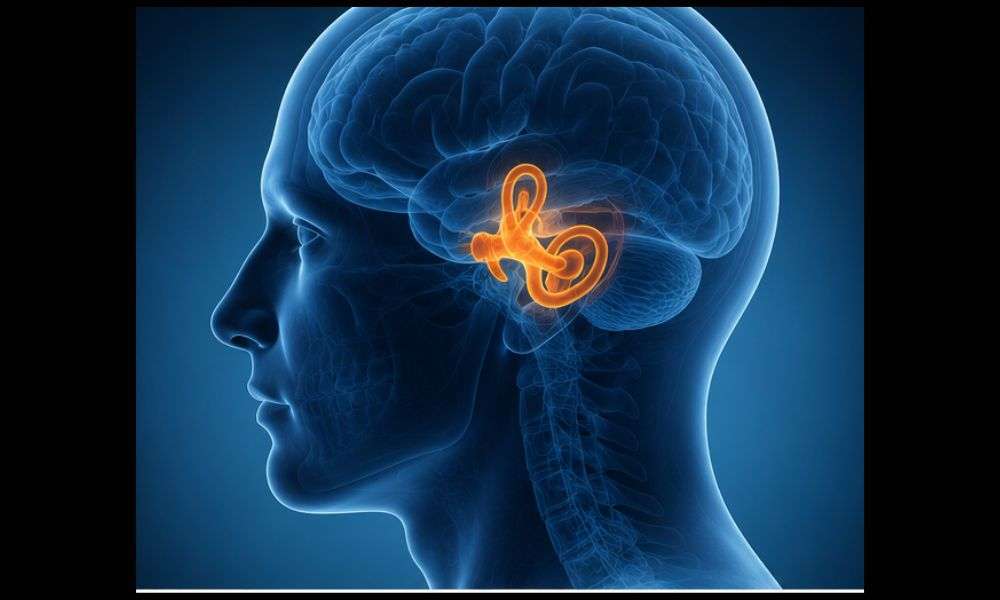
What Is Anxiety Related to Dizziness?
Anxiety-related dizziness is a physical response that happens when stress or worry affects the body’s balance system. It is not a condition on its own, but a symptom that appears when emotional pressure influences how the brain and nervous system work together. Many people notice it during periods of dizziness from anxiety, especially when thoughts feel overwhelming or during sudden stress.
According to trusted health guidance from the NHS Anxiety Disorders Overview, anxiety can create strong physical reactions in the body, including dizziness, lightheadedness, and balance disturbances. This highlights how strongly emotional well-being and physical sensations are linked during anxiety episodes.
How It May Feel
This sensation can show up in different ways depending on the person. Some individuals experience lightheadedness, almost like their head feels hollow or gently floating. Others describe feeling off balance or unsteady while standing or walking, even in a safe environment.
It can also feel like a floating sensation, where the body does not feel fully grounded. In some cases, people report mild vertigo-like feelings, where the surroundings seem to shift or move slightly. Although these sensations can feel uncomfortable, they are usually linked to the body’s stress response rather than a serious medical condition.

Why Does Anxiety Cause Dizziness
Anxiety can cause dizziness because it affects several natural systems in the body that control balance, breathing, and circulation. When someone feels stressed or overwhelmed, the body can respond as though it is facing danger, even if there is no actual threat present. This reaction can lead to different physical changes that create feelings of dizziness or unsteadiness. If you want to understand this pattern in more detail, you can also read our guide on How It Affects Your Mind and Body, which explains how stress responsesThis can affect both emotional well-being and physical health over time.
Breathing Changes and Hyperventilation
When anxiety rises, breathing often becomes quicker or more shallow without the person even realizing it. This can reduce carbon dioxide levels in the blood, which may lead to lightheadedness or dizziness. The body becomes more sensitive to these changes, making the sensation feel stronger.
Stress Response and Nervous System Activation
During anxiety, the body enters a fight or flight response. Stress hormones like adrenaline are released, which increase heart rate and alertness. This heightened state can make a person feel shaky, dizzy, or physically unstable.
Muscle Tension and Body Sensitivity
Anxiety often causes tightness in the neck, shoulders, and upper back. This muscle tension can affect body balance signals and increase awareness of small physical sensations, sometimes leading to an unsteady or off-balance feeling.
Blood Pressure Fluctuations
In some cases, anxiety can cause temporary changes in blood pressure. These changes may lead to feelings of faintness or weakness, especially when standing up quickly or during intense stress.
Common Symptoms That May Accompany Anxiety Dizziness
Anxiety-related dizziness rarely occurs on its own and is usually linked with other symptoms. It is usually part of a wider set of physical symptoms of anxiety that can affect both the body and mind. These symptoms may come and go depending on stress levels and emotional triggers.
Physical Symptoms
Many people notice a rapid heartbeat, which happens when the body enters a heightened alert state. Sweating and shaking are also common as the nervous system becomes more active. Some individuals may feel nausea or chest tightness, which can make the experience feel more intense and uncomfortable.
Mental and Emotional Symptoms
Along with physical changes, anxiety can also affect thoughts and emotions. Difficulty concentrating is common, especially when the mind feels overloaded. Racing thoughts and feelings of panic may also appear, making it harder to stay calm. These emotional reactions can increase dizziness from anxiety, creating a cycle where stress and symptoms feed into each other.
Can Dizziness Trigger Anxiety
Yes, dizziness can also trigger anxiety, and this often creates a cycle where both conditions feed into each other. When someone suddenly feels lightheaded or unstable, the brain may see it as a warning signal, even when there is no real danger present. This reaction can quickly increase dizziness from anxiety over time. If you want to understand how anxiety develops and keeps repeating in everyday life, you can read our guide on How to Calm Racing Thoughts, which explains how to manage fast and overwhelming thinking patterns, looping thoughts that often intensify physical symptoms.
The Dizziness Anxiety Cycle
The cycle usually begins when a person experiences dizziness and becomes worried about what is happening in their body. This worry can increase nervous system activity, making the dizziness feel even stronger. As symptoms become stronger, anxiety tends to rise as well, which further amplifies the physical sensations in the body.
Fear of Falling and Health Worries
Many people develop a fear of falling or losing control during dizzy episodes. Others start to worry about serious health problems, which adds more emotional stress. These thoughts can make anxiety and lightheadedness worse, even when the body is safe.
Increased Nervousness After Episodes
After a dizzy spell, it is common to feel more nervous or alert than usual. The mind may stay focused on the body, expecting the sensation to return. This heightened awareness can increase future episodes of dizziness and emotional discomfort.

How to Manage Dizziness From Anxiety
Reducing dizziness from anxiety starts with supporting both the mind and the body. Small daily habits can help reduce symptoms and improve overall stability. The goal is to support the nervous system so it reacts less strongly to stress and emotional triggers.
Practice Slow Deep Breathing
Slow, steady breathing helps bring the body out of a stress state. It reduces shallow breathing patterns that often contribute to dizziness. This simple practice can quickly calm anxiety-related dizziness during stressful moments.
Try Grounding Techniques
Grounding techniques help shift attention away from anxious thoughts and back to the present moment. Focusing on what you see, hear, or feel can reduce racing thoughts and help ease anxiety and lightheadedness.
Reduce Muscle Tension
Relaxing tight muscles in the neck, shoulders, and upper back can improve physical comfort. Gentle stretching or slow movement may reduce balance disturbances linked with stress.
Stay Physically Active
Regular movement supports better circulation and helps regulate the stress response. Even light exercise like walking can reduce dizziness episodes over time.
Improve Sleep Habits
Healthy sleep gives the body and mind time to recover. A lack of rest can worsen anxiety symptoms and make feelings of dizziness harder to manage.
Limit Caffeine and Alcohol
Caffeine and alcohol can overstimulate the body and affect balance. Reducing them may help prevent unnecessary triggers for dizziness.
Learn Stress Management Techniques
Stress management helps reduce the overall load on the mind and body. When stress levels are lower, dizziness from anxiety becomes less frequent and less intense.
Consider Mindfulness and Relaxation Exercises
Mindfulness techniques encourage a calmer mental state during moments of discomfort. Over time, they help reduce sensitivity to physical sensations and support emotional balance.
Treatment Options for Anxiety Related Dizziness
When dizziness from anxiety becomes frequent or starts affecting daily life, professional support can make a big difference. Treatment focuses on calming the mind, improving body responses, and reducing the intensity of symptoms over time. The right approach depends on the person’s condition and overall health needs.
Cognitive Behavioral Therapy (CBT)
Cognitive Behavioral Therapy can help people replace negative thinking habits with more balanced and constructive perspectives. It teaches healthier ways to respond to stress and reduces the fear linked with physical sensations like dizziness. Over time, this can lower anxiety-related dizziness and improve emotional control.
Medication When Appropriate
In some cases, doctors may suggest medication to manage anxiety symptoms. These medicines can help regulate mood and reduce strong physical reactions such as panic or excessive worry. Medication is usually combined with other therapies for better results.
Support Groups and Counseling
Speaking with a counselor or participating in a support group can help you feel more connected and supported. Sharing experiences with others facing similar challenges often improves emotional strength and reduces anxiety symptoms linked with stress and fear.
Vestibular Rehabilitation Therapy
When dizziness is linked to problems within the body’s balance system, vestibular rehabilitation therapy can be an effective treatment option. This therapy focuses on improving balance, reducing sensitivity to motion, and supporting the inner ear system so the body feels more stable during daily activities.
When Dizziness May Have Another Cause
Although dizziness from anxiety is common, other health conditions can also contribute to similar symptoms. In some cases, it may come from an underlying physical condition that affects balance, circulation, or overall body function. Understanding these possibilities is important, especially when symptoms are frequent or do not improve with stress management.
Inner Ear Conditions
Problems in the inner ear can directly affect balance control. Since the inner ear helps the brain understand body position, any disturbance can lead to spinning sensations or ongoing unsteadiness.
Vestibular Disorders
Vestibular disorders affect the system responsible for balance and spatial awareness. People with these conditions may experience ongoing dizziness, spinning sensations, or balance difficulties that are unrelated to anxiety.
Low Blood Sugar
When blood sugar drops, the brain may not get enough energy to function properly. This can lead to weakness, lightheadedness, or sudden dizziness, especially if meals are skipped.
Dehydration
Not drinking enough water can reduce blood volume and affect circulation. This can lead to tiredness, mental fog, or episodes of dizziness throughout the day.
Heart Related Conditions
Some heart conditions can reduce proper blood flow to the brain. This may cause faintness, weakness, or sudden dizzy spells that should be evaluated by a doctor.
Medication Side Effects
Certain medications may also cause dizziness as a side effect. If symptoms begin after starting a new medicine, it is important to speak with a healthcare provider for guidance.
When to See a Doctor
Most cases of dizziness from anxiety are not dangerous and improve with time, relaxation, and proper stress management. Still, there are situations where dizziness may indicate a more serious condition and requires attention.
Persistent Dizziness
If dizziness continues for a long time or keeps coming back without improvement, it is important to get a medical checkup. Ongoing symptoms may point to an underlying health issue that needs attention.
Fainting Episodes
Feeling like you might faint or actually losing consciousness is a warning sign. This can be linked to blood pressure changes, heart issues, or other medical conditions that require evaluation.
Severe Headaches
If dizziness is accompanied by intense or persistent headaches, it is important to seek medical advice. These symptoms together may indicate neurological or circulatory problems.
Vision Changes
Blurred vision, double vision, or sudden visual disturbances along with dizziness should not be ignored. These changes can sometimes signal a deeper health concern.
Chest Pain
Chest pain with dizziness is a serious symptom. It may be related to heart function and requires immediate medical attention.
Difficulty Walking
If maintaining balance becomes difficult due to dizziness, it is important to speak with a healthcare provider for proper assessment. This could point to inner ear issues or neurological conditions.
Preventing Future Episodes of Anxiety Dizziness
Preventing dizziness from anxiety is often about building steady daily habits that keep both the mind and body balanced. When the nervous system feels supported, it reacts less strongly to stress, which can reduce future episodes over time.
Consistent Sleep Schedule
Good sleep helps the brain reset and recover from daily stress. Going to bed and waking up at the same time each day can improve emotional stability and reduce anxiety-related dizziness.
Regular Exercise
Light to moderate physical activity supports better blood flow and helps regulate the stress response. Walking, stretching, or yoga can also reduce anxiety symptoms and improve overall balance.
Healthy Diet
A balanced diet gives the body steady energy throughout the day. Skipping meals or eating unhealthy foods may increase fatigue and make dizziness more noticeable.
Hydration
Drinking enough water is important for circulation and brain function. Even mild dehydration can lead to lightheadedness or worsen anxiety and lightheadedness during stressful moments.
Managing Anxiety Early
Recognizing stress early and using calming techniques can prevent symptoms from building up. Simple breathing exercises or short breaks can reduce emotional pressure and lower the chances of dizziness episodes.
FAQs
How to escape the dizzy anxious cycle
Breaking the cycle starts with calming the body before trying to control the thoughts. Slow breathing helps reduce physical tension and improves oxygen flow, which can ease dizziness from anxiety. Grounding techniques, such as focusing on nearby objects or sounds, can also interrupt the loop of fear and physical symptoms. Over time, regular stress management and relaxation practices help the nervous system respond more calmly.
Can anxiety cause dizziness and unsteadiness
Yes, anxiety can lead to both dizziness and a feeling of unsteadiness. This happens because stress affects breathing patterns, heart rate, and balance signals in the body. Many people describe it as feeling lightheaded or slightly off balance, especially during periods of high worry or panic. These sensations are common and often linked with anxiety-related dizziness.
What is the 1st worst habit for anxiety
One of the most harmful habits is constantly overthinking physical sensations. When a person repeatedly focuses on symptoms like dizziness or heartbeat changes, it increases fear and keeps the nervous system active. This can make anxiety symptoms feel stronger and last longer, creating a cycle that is hard to break.
How long does anxiety dizziness last
The duration of anxiety dizziness varies from person to person. In many cases, it lasts only a few minutes during a stress or panic episode. However, if anxiety remains high or unmanaged, symptoms may come and go throughout the day. With proper relaxation techniques and stress control, episodes usually become less frequent and less intense over time.
Conclusion
The connection between anxiety and dizziness is closely linked to how the body responds to stress. When anxiety increases, it can affect breathing, heart rate, and balance signals, which may lead to dizziness from anxiety. At the same time, dizziness can also raise worry and create a cycle of discomfort that feels difficult to control.
The good news is that these symptoms can improve with the right approach. Simple lifestyle changes, relaxation techniques, and awareness of triggers can gradually reduce anxiety-related dizziness and help restore a sense of balance in daily life. With time, many people notice fewer episodes and better emotional control.
If symptoms become frequent, severe, or begin to affect normal activities, it is important to seek professional guidance for proper evaluation and support.
Written and researched by Som Adnan for Mental Health Knowledge. This content is based on established mental health research and credible health references, written to offer accurate, compassionate, and easy-to-understand guidance.