Mental health care is essential for overall well-being, providing support and guidance for individuals across all stages of life. From understanding therapies to accessing critical services, comprehensive mental health care ensures that everyone has the tools to maintain emotional and psychological balance. According to theWorld Health Organization, promoting mental well-being is a key part of building healthier communities worldwide. This hub connects key areas of mental health support, approaches, and education.
Cognitive Behavioral Therapy is a widely used approach that helps individuals identify negative thought patterns and replace them with healthier behaviors. CBT is effective for managing anxiety, depression, and stress-related disorders. With trained therapists, it provides practical tools to cope with daily challenges and improve emotional resilience.
Accessing mental health services remains a vital part of care. This includes finding qualified therapists, clinics, or support groups, as well as leveraging telehealth options. Ensuring timely access reduces the risk of prolonged distress and allows individuals to receive professional guidance when it matters most.
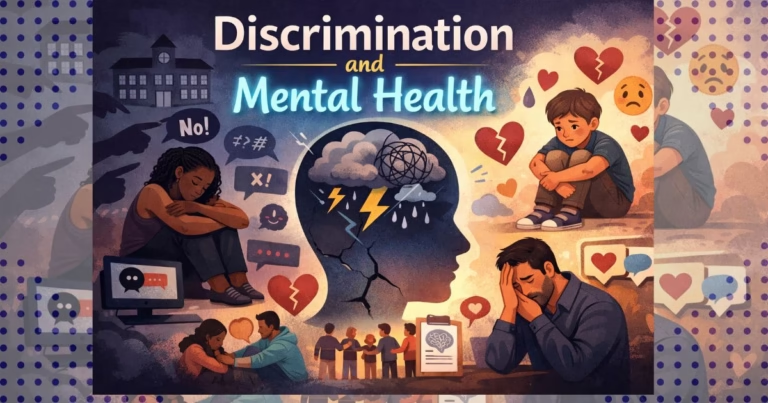
Discrimination can significantly impact mental health by increasing stress, anxiety, depression, and feelings of isolation. Experiencing unfair treatment based on identity, background, or beliefs can harm self-esteem and create ongoing emotional distress. Over time, repeated exposure to discrimination may lead to long-term psychological challenges and reduced overall well-being. Understanding these effects is important for raising awareness and encouraging supportive, inclusive environments.
Crisis mental health care provides immediate support for individuals experiencing severe psychological distress or emergencies. Hotlines, walk-in centers, and emergency services are crucial for preventing harm and stabilizing mental health during critical moments. Rapid response can be life-saving.
Men face unique challenges related to mental health, often influenced by societal expectations around masculinity. Targeted care programs focus on reducing stigma, promoting emotional expression, and offering support for conditions such as depression, anxiety, and substance use disorders.
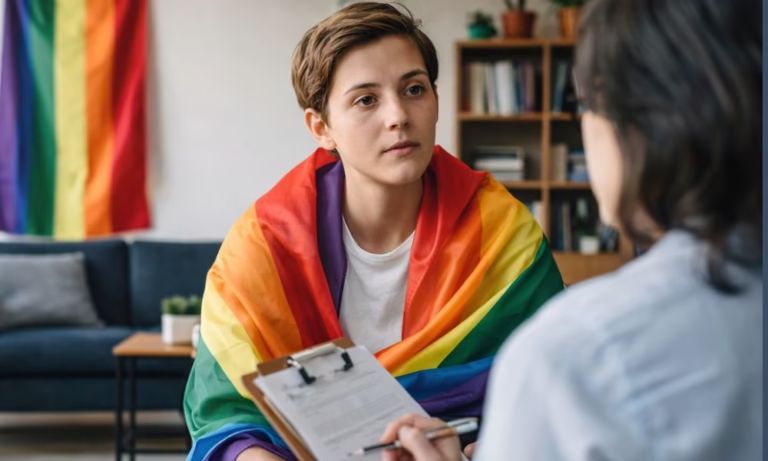
LGBTQ+ communities may encounter distinct stressors, including discrimination and social stigma, impacting mental well-being. Inclusive mental health care ensures safe, affirming environments where individuals can receive therapy, counseling, and guidance tailored to their experiences.
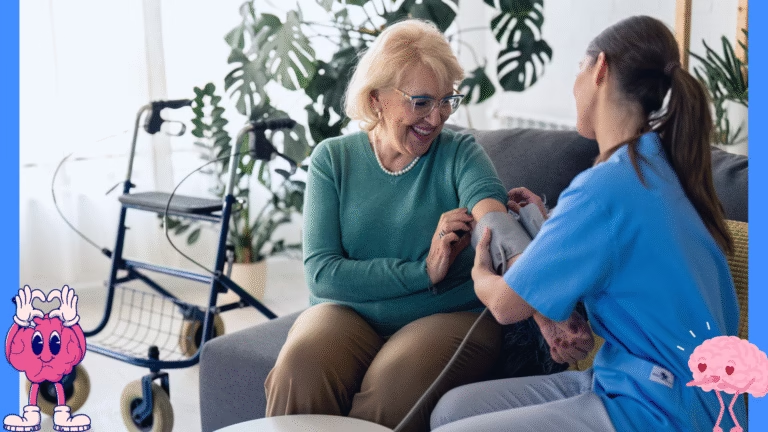
Old age mental health issues can arise due to a combination of physical, emotional, and social changes that come with aging. Challenges such as cognitive decline, loneliness, loss of loved ones, and reduced independence can significantly affect overall well-being. These factors may increase the risk of conditions like depression, anxiety, and memory-related disorders. Understanding these issues is essential for raising awareness, promoting emotional support, and improving quality of life in later years.
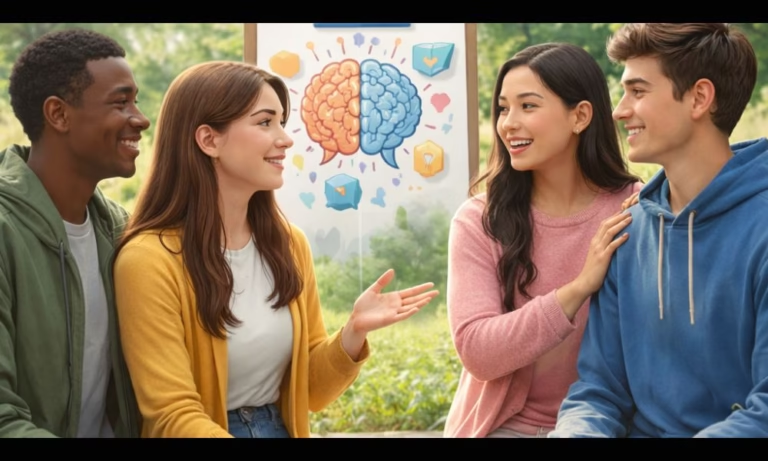
Education and awareness are essential for destigmatizing mental health. Programs and campaigns help individuals recognize symptoms, understand treatment options, and foster supportive communities. Knowledge empowers people to seek help early and maintain overall well-being.
Mental health literacy equips individuals with the understanding needed to identify, manage, and prevent mental health issues. From recognizing signs of stress to knowing where to find resources, literacy strengthens both personal and community resilience.
Comprehensive mental health care is essential for nurturing emotional, psychological, and social well-being at every stage of life. From therapy and crisis support to education and literacy, every aspect of care plays a role in helping individuals lead healthier, more balanced lives. By understanding available services, embracing inclusive approaches, and promoting awareness, we can create a society where mental health is prioritized, stigma is reduced, and support is accessible to everyone who needs it.