
Why Do I Get Attached So Easily? Causes and How to Stop

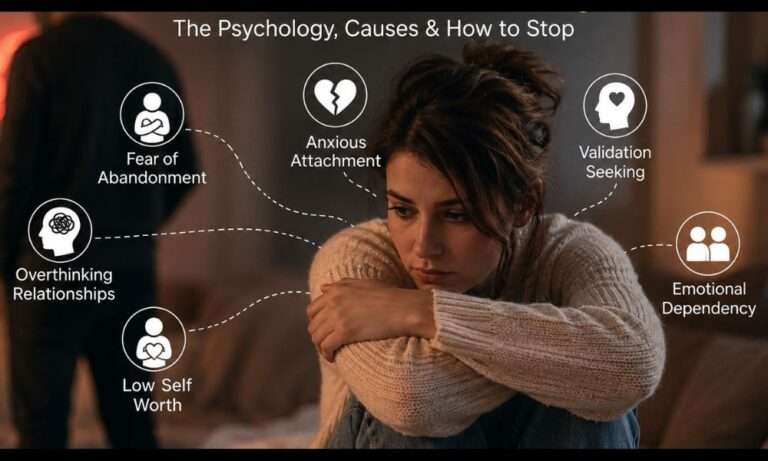
Many people often wonder why do I get attached so easily after forming emotional bonds too quickly. It can feel overwhelming when feelings grow faster than trust or real understanding. This is often connected to anxious attachment, fear of abandonment, or low self-worth that shapes how we relate to others.
Emotional connection is natural, but moving too fast may lead to unhealthy attachment, overthinking relationships, and stress. The good news is awareness can change this pattern. When you understand your emotions, you start building healthier boundaries and stronger self-worth. You can also explore more helpful resources in our Relationships & Emotional Well-Being section.
ADVERTISEMENT
Promote positivity and mental health awareness with these 36 motivational silicone wristbands. See here
What Does It Mean to Get Attached Too Quickly?
Emotional Attachment in Early Relationships
Getting attached too quickly means forming strong emotional feelings before truly knowing the other person. It often feels like a deep connection, even when the relationship is still new or uncertain. This can create emotional dependency and make your mood strongly tied to how the other person behaves.
Why This Pattern Happens
In many cases, this pattern is linked to attachment patterns shaped by past experiences, such as fear of abandonment or trust issues. People may also idealize the relationship and focus more on potential than reality, which is called romantic idealization.
| Healthy Attachment | Unhealthy Attachment |
|---|---|
| Develops gradually | Develops very quickly |
| Based on trust | Based on fear |
| Maintains independence | Emotional dependency |
| Realistic expectations | Romantic idealization |
| Emotional security | Fear of abandonment |
Understanding It in Real Life
To understand this better, it helps to learn about emotional attachment styles. You can read more in our guide on overthinking relationships, which explains how thoughts and emotions can become overwhelming in early connections. For a deeper psychological explanation, you can also explore this trusted resource on attachment theory from Verywell Mind attachment styles.
8 Psychological Reasons You Get Attached So Easily
Anxious Attachment Style
An anxious attachment style can make emotional bonds form very quickly. People often seek closeness early because they fear losing connection. This creates emotional reliance and constant need for reassurance in relationships.
Fear of Abandonment
Fear of abandonment often causes people to hold on tightly to others. Even small changes in behavior can feel like rejection. This leads to relationship anxiety and relationship over-analysis.
Low Self Worth
Low self-worth can make someone look for validation from others. When someone shows attention, it can feel deeply meaningful very fast. This often affects self-esteem in dating situations.
Emotional Dependency
Emotional dependency happens when happiness starts relying on another person. It becomes difficult to feel stable without their presence or approval. This can create unhealthy attachment patterns.
Love Bombing
Love bombing is when someone gives too much attention too early. It creates strong emotional vulnerability and fast attachment. Later, the sudden change can cause confusion and emotional stress.
Fear of Rejection
Fear of rejection makes people try harder to keep connections alive. They may ignore red flags just to avoid losing someone. This often leads to clingy behavior in relationships.
Childhood Emotional Experiences
Past childhood trauma or emotional neglect can shape adult attachment patterns. When emotional needs were unmet early, people may seek quick emotional comfort later. This affects trust issues in relationships.
Validation Seeking
Validation seeking happens when self-worth depends on others’ approval. A little attention can feel powerful and emotionally rewarding. This can quickly turn into codependency and emotional imbalance.
How to Stop Getting Attached So Easily in Relationships
Build Self Awareness and Healthy Boundaries
The first step is understanding your emotional triggers. When you notice attachment patterns early, you can pause before reacting. Building healthy boundaries helps protect your emotional well-being and reduce overthinking relationships.
According to the American Psychological Association (APA), attachment patterns can influence emotional well-being and relationship behavior throughout life.
Focus on Emotional Regulation and Self Validation
Learning emotional regulation helps you stay calm during strong feelings. Instead of seeking validation from others, try building self-validation slowly. Practices like mindfulness can support emotional resilience and reduce anxiety in relationships.
Balance Fantasy With Reality
Many people get attached due to romantic idealization. It helps to separate fantasy vs reality in dating by observing actions instead of assumptions. This reduces psychological triggers that lead to fast attachment.
Strengthen Self Worth Outside Relationships
Spend time building personal growth and self-confidence outside of relationships. When self-worth is stable, emotional connection becomes healthier and more balanced. This reduces emotional reliance and fear of abandonment.
When to Seek Professional Help
Sometimes attachment issues feel too strong to manage alone. If you notice constant relationship anxiety, emotional instability, or repeated unhealthy attachment patterns, professional guidance can help. Therapy can support healing attachment wounds and improving emotional resilience.
Seeking help is not a weakness. It is a healthy step toward understanding yourself better and building safer emotional connections in the future.
Frequently Asked Questions
How to stop getting emotionally attached so quickly?
You can slow down emotional attachment by becoming more aware of your feelings in the early stages of a relationship. Try focusing on healthy boundaries, emotional regulation, and building self-validation instead of relying on quick emotional connection. Practices like mindfulness and spending time on personal growth can also reduce relationship over-analysis and emotional dependency over time.
Why do I get attached so easily in psychology?
From a psychological view, fast emotional attachment is often linked to anxious attachment, low self-worth, fear of abandonment, or past childhood emotional experiences. The mind may try to seek safety and connection quickly, which can lead to emotional vulnerability and idealizing the other person. You can learn more about this in our guide on Why Do I Overthink Every Social Interaction After It Happens?, which explains how thoughts and emotions can become overwhelming in relationships.
What is the disorder where you get attached easily?
There is no official disorder called “getting attached easily,” but it can be related to attachment-related issues like anxious attachment style or codependency. In some cases, it may also connect to relationship anxiety or emotional reliance. These patterns are not disorders on their own, but they can affect emotional stability and relationships if not understood and managed properly.
Is being clingy a trauma response?
Yes, being clingy can sometimes be a trauma response. When someone has experienced childhood trauma, emotional neglect, or fear of abandonment, they may develop clingy behavior as a way to feel safe. This often comes from attachment wounds and emotional insecurity. Learning self-awareness and emotional regulation can help reduce these patterns and build healthier connections.
Conclusion
If you often wonder why do I get attached so easily, the answer may lie in deeper emotional patterns like fear of abandonment, low self-worth, or anxious attachment. The good news is these patterns can change. With self-awareness, healthy boundaries, and emotional growth, you can build healthier relationships without losing yourself. Real connection takes time, trust, and emotional balance.
Author Bio
Written and researched by SomAdnan for Mental Health Knowledge. This article is informed by peer-reviewed psychological research and trusted mental health sources, including Verywell Mind, to provide clear, supportive, and practical guidance. The goal is to help readers better understand emotional attachment, relationship patterns, and personal growth.