

Feeling a sudden tingling sensation in your hands, feet, face, or other parts of your body can be unsettling. Many people immediately worry about a serious medical condition. However, if you live with anxiety, you may wonder, why does anxiety cause tingling? The good news is that this symptom is surprisingly common and often linked to the body’s natural stress response.
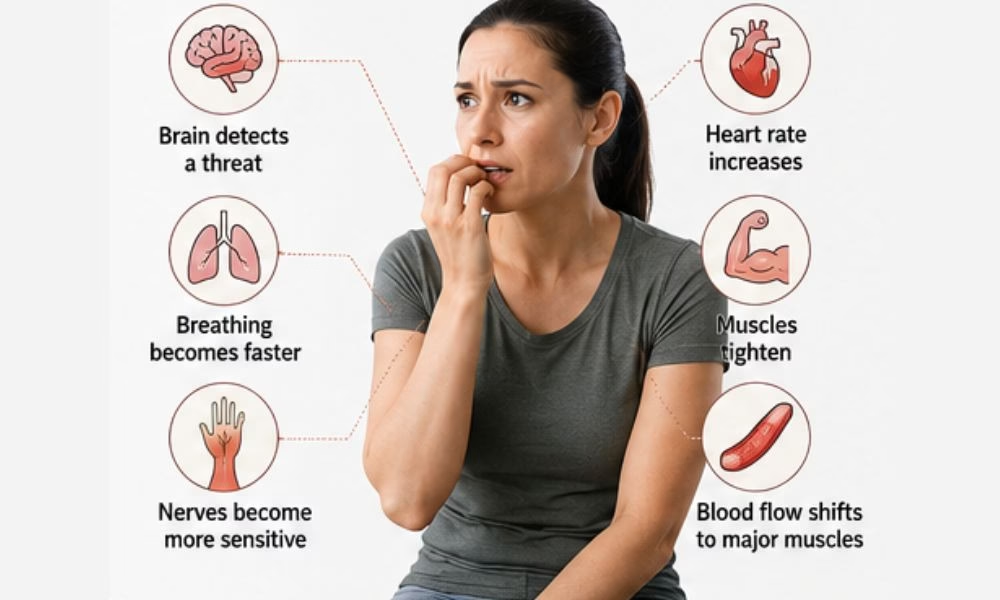
During this response, stress hormones such as adrenaline prepare your body to react quickly. Your heart beats faster, your breathing changes, and blood flow shifts toward large muscle groups. These changes can temporarily affect how your nerves function, creating sensations like tingling, numbness, or pins and needles.
For example, imagine you’re about to give an important presentation. Moments before speaking, your hands begin to tingle, your heart races, and your breathing becomes faster. Although nothing is physically wrong with your hands, your body’s stress response is creating these temporary sensations.
Research suggests that anxiety can trigger a wide range of physical symptoms because the brain and body are closely connected. According to the American Psychological Association (APA), chronic stress and anxiety can produce noticeable physical effects, including muscle tension and changes in breathing that contribute to uncomfortable sensations throughout the body.

Your nervous system works like a communication network, constantly sending signals between your brain and body. When anxiety levels rise, this system can become overactive, which may temporarily disrupt normal nerve signaling.
One of the main reasons for this is hyperventilation, where breathing becomes faster or deeper than usual. This change in breathing can alter carbon dioxide levels in the blood, which may trigger sensations like tingling or numbness in different parts of the body.
According to the Mayo Clinic, hyperventilation linked to anxiety or panic attacks is a common cause of numbness and tingling in the body.
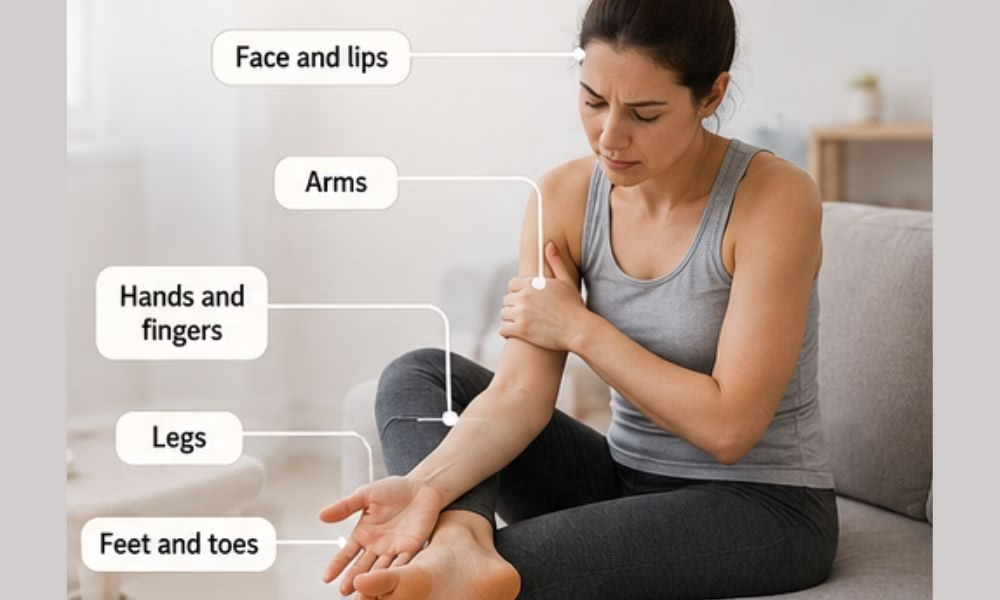
Anxiety-related tingling can appear in different parts of the body and may shift during stressful periods.
Common areas include:
In some cases, it may feel like it moves from one area to another depending on stress levels.
Although anxiety is a common cause, persistent or one-sided numbness should always be checked by a healthcare professional.
Tingling rarely appears alone. It often comes with other anxiety symptoms, especially during high stress or panic.
Common symptoms include:
For example, someone before an interview may feel tingling in their hands along with a racing heart and shaky breathing.
If dizziness is also present, see: How to Manage Dizziness From Anxiety
If chest discomfort occurs, see: Why Does Anxiety Cause Chest Tightness?
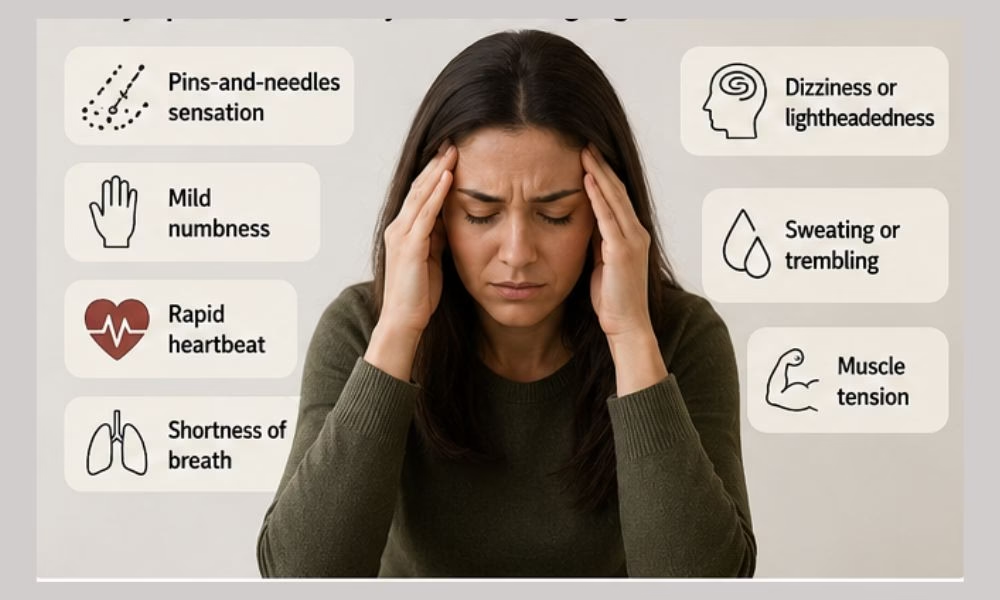
Tingling during anxiety usually comes from a combination of physical changes in the body rather than a single cause.
These changes affect breathing patterns, stress hormone activity, and how sensitive the nervous system becomes, which together can create tingling or pins-and-needles sensations.
This mix of reactions can also make normal body signals feel stronger than usual, which is why the sensation may seem more noticeable during anxious moments.
Yes. Tingling is very common during panic attacks.
A panic attack triggers a sudden surge of adrenaline, rapid breathing, and intense fear. These changes can cause tingling in the hands, feet, face, or even throughout the body.
For example, someone in a crowded place may suddenly feel tingling in both hands along with dizziness and a pounding heart. These symptoms usually reduce as the panic attack passes.
If you’ve experienced this, you may find helpful guidance in: How to Reset Your Mind After a Panic Episode Naturally
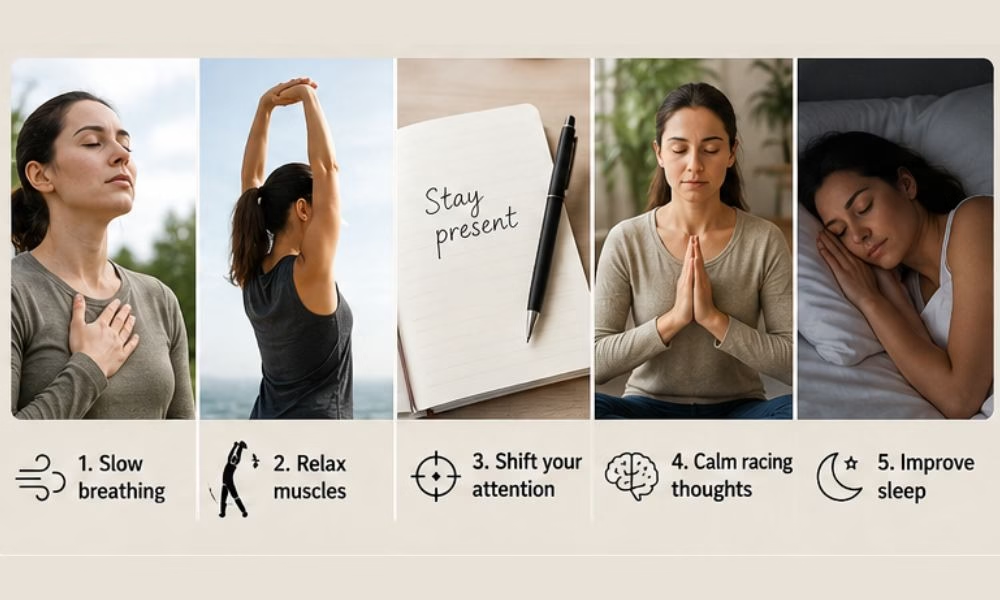
Although anxiety-related tingling can feel uncomfortable, it usually improves as your nervous system calms down. The goal is to reduce the body’s stress response rather than focusing only on the tingling itself.
Controlled breathing helps restore normal carbon dioxide levels and calms the nervous system.
Try inhaling slowly through your nose for four seconds, holding briefly, and exhaling gently through your mouth for six seconds. Repeat for several minutes.
Stretching your neck, shoulders, hands, and legs may ease muscle tension that contributes to tingling.
Even a short walk or gentle movement can help your body transition out of fight-or-flight mode.
Constantly checking whether the tingling is still there can increase anxiety.
Instead, focus on your surroundings by naming five things you can see, four you can touch, three you can hear, two you can smell, and one you can taste. Grounding techniques often interrupt the anxiety cycle.
Anxious thinking often fuels physical symptoms.
If your mind keeps jumping to worst-case scenarios, our article on How to Calm Racing Thoughts provides practical strategies for regaining mental control.
Many people notice stronger anxiety symptoms during the evening or after poor sleep.
If tingling becomes more noticeable at bedtime, you may benefit from reading Why Does My Anxiety Get Worse at Night?, which explains why nighttime anxiety occurs and how to manage it.
Managing stress consistently is one of the most effective ways to reduce anxiety-related physical symptoms over time.
Depending on what’s causing your stress, these resources may also help:
Although anxiety is a common cause of tingling, it should never be assumed to be the only explanation.
Contact a healthcare professional if tingling:
A medical evaluation can help rule out conditions such as vitamin deficiencies, nerve disorders, diabetes, circulation problems, or stroke.
Research continues to show a strong connection between anxiety and physical symptoms. According to the American Psychological Association (APA), anxiety activates the body’s stress response, affecting breathing, muscle tension, heart rate, and the nervous system. These physical changes can lead to symptoms such as tingling, numbness, dizziness, and trembling.
Similarly, the Mayo Clinic explains that hyperventilation during anxiety or panic attacks commonly causes tingling in the hands, feet, and face because changes in carbon dioxide levels temporarily affect nerve function.
The National Health Service (NHS) also lists numbness and pins and needles among the physical symptoms that some people experience with anxiety, highlighting the close relationship between mental and physical health.
For more information about anxiety and its physical symptoms, visit these trusted organizations:
These sources provide evidence-based information but should not replace advice from your healthcare provider.
Anxiety can cause tingling because it activates the body’s fight-or-flight response, leading to changes in breathing, nerve signaling, and muscle tension. While these sensations are usually temporary and harmless, persistent or severe tingling should be evaluated by a healthcare professional. Understanding the connection between anxiety and physical symptoms, along with using stress management techniques, can help reduce tingling and improve overall well-being.
Yes. Tingling is a common physical symptom of anxiety and panic attacks. It often happens because of rapid breathing, muscle tension, and the body’s fight-or-flight response. While it’s usually temporary, persistent or unusual tingling should be evaluated by a healthcare professional.
Absolutely. You don’t have to experience a panic attack to notice tingling. Ongoing stress or generalized anxiety can also trigger changes in breathing and muscle tension, leading to pins-and-needles sensations in different parts of the body.
Anxiety-related tingling most commonly affects the hands, fingers, feet, toes, face, lips, and scalp. Some people experience it in their arms or legs, and the location may change from one episode to another.
The duration varies from person to person. For some, it lasts only a few minutes, while others may notice it for longer during periods of ongoing stress. In most cases, the sensation improves as the body relaxes and breathing returns to normal.
Yes. Anxiety can cause both numbness and tingling together. Hyperventilation and increased muscle tension may temporarily affect nerve signals, creating these sensations. If numbness is severe, affects only one side of the body, or occurs with weakness or speech problems, seek immediate medical attention.
In most cases, no. Anxiety-related tingling is usually temporary and does not indicate permanent nerve damage. However, recurring or persistent symptoms should be assessed by a healthcare provider to rule out other medical conditions.
Yes. Managing stress through slow breathing, regular exercise, quality sleep, relaxation techniques, and healthy coping strategies can reduce both anxiety and its physical symptoms over time. Building long-term stress management habits often makes tingling episodes less frequent.
If you’ve been wondering why does anxiety cause tingling, the answer lies in the body’s natural stress response. Changes in breathing, muscle tension, blood flow, and nerve activity can create temporary tingling or pins-and-needles sensations. Although these symptoms can feel alarming, they often improve as your body begins to relax.
Understanding the connection between anxiety and physical symptoms can help reduce unnecessary fear. However, it’s important to remember that tingling isn’t always caused by anxiety. If your symptoms are persistent, severe, or occur with weakness, confusion, or difficulty speaking, seek prompt medical attention.
With healthy stress management, better sleep, calming techniques, and professional support when needed, many people can reduce anxiety-related tingling and regain confidence in managing both their mental and physical well-being.
If you want to understand anxiety and its physical effects in more detail, these guides may help you explore the topic further: