
Why Do I Isolate Myself Without Realizing? 8 Reasons

Have you ever noticed unanswered messages piling up or found yourself avoiding friends you once enjoyed spending time with? You didn’t deliberately choose to distance yourself, yet somehow, it happened.
If you’ve ever asked yourself, “Why do I isolate myself without realizing?”, it may be because you’re emotionally overwhelmed, uncertain about how others perceive you, or finding it difficult to trust people after unpleasant experiences.
Spending time alone isn’t necessarily a problem. But when you begin pulling away from people you care about, it may be worth exploring what’s behind that change and finding small, comfortable ways to reconnect.
What Does Unintentional Self-Isolation Look Like?
Unintentional self-isolation happens when you gradually reduce social contact without making a conscious decision to withdraw from everyone.
It may begin with small changes. You postpone replying to a friend because you’re tired. You decline an invitation because staying home feels easier. You stop initiating conversations, assuming you’ll reconnect when life becomes less stressful.
Eventually, those temporary decisions become part of your routine.
For example, imagine someone who regularly talks with friends after work. Following several stressful weeks, they begin going straight home instead. At first, the extra quiet feels refreshing. A few months later, they realize they rarely speak to anyone outside work.
They may still care about their friends and miss having meaningful conversations. What has changed is their pattern of social behavior.
Social Isolation, Loneliness, and Solitude: What’s the Difference?
Although these experiences are related, they are not identical.
Social isolation describes having limited social contact, relationships, or support. Loneliness is the subjective feeling that your social connections are insufficient or unsatisfying. Solitude simply means spending time alone, which can be enjoyable and restorative.
You can experience loneliness while surrounded by people. You can also spend considerable time alone without feeling lonely.
The Centers for Disease Control and Prevention (CDC) distinguishes social isolation from loneliness because each describes a different aspect of social connection.
Understanding this difference matters because the goal is not to surround yourself with people constantly. It is to have the type and amount of connection that supports your well-being.
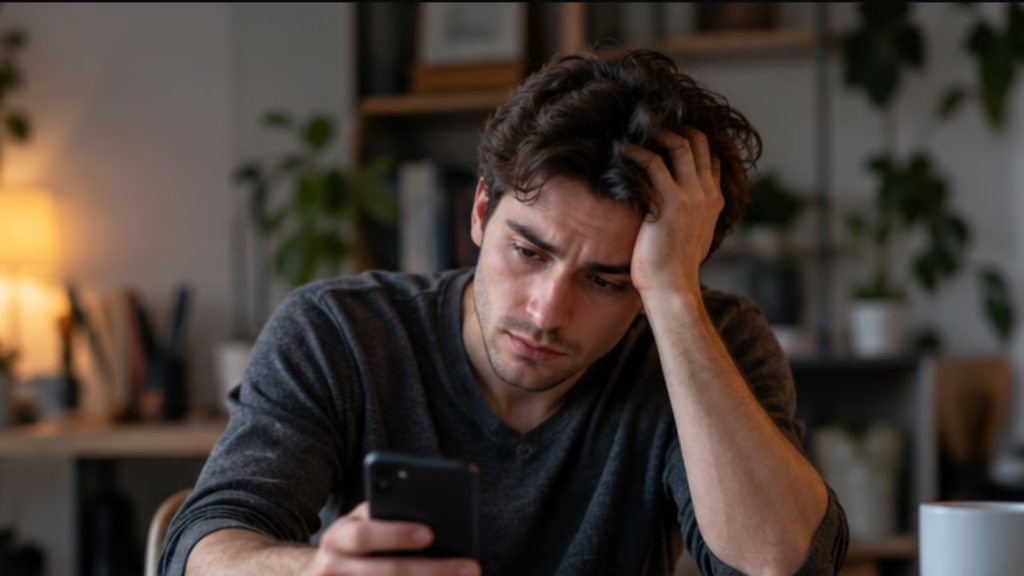
8 Reasons You May Isolate Yourself Without Noticing
People withdraw for different reasons. Sometimes the cause is obvious, such as a painful breakup or a major life change. Other times, several emotional and behavioral patterns combine, making the withdrawal harder to recognize.
The following explanations can help you reflect on what may be happening in your own life.
1. Emotional Exhaustion Makes Socializing Feel Like Another Responsibility
When you’re mentally overwhelmed, even enjoyable interactions can require more energy than you feel able to give.
You might spend your day managing work deadlines, family responsibilities, financial worries, or difficult emotions. By the evening, responding to messages or meeting someone for coffee may feel like one more demand.
You begin choosing quiet because it provides relief.
There’s nothing wrong with needing rest. The difficulty arises when temporary recovery time gradually turns into long-term disconnection.
For example, you may tell yourself, “I’ll reply when I feel better.” But tomorrow brings another exhausting day, and the message remains unanswered.
If this pattern sounds familiar, our article on why you feel exhausted after socializing explores how social demands and emotional energy can affect your interactions.
What may help: Allow yourself genuine recovery time while maintaining a small amount of manageable contact with people you value.
2. Depression Can Reduce Your Motivation to Connect
Depression can affect energy, motivation, enjoyment, concentration, and everyday functioning. For some people, social withdrawal becomes one of the noticeable changes.
You might stop attending gatherings because activities that once felt enjoyable no longer interest you. Even sending a short message can feel unusually difficult.
Sometimes, people withdraw because they worry about being a burden or feel unable to explain what they’re experiencing.
Importantly, isolating yourself does not automatically mean you have depression. Stress, grief, physical illness, and other circumstances can also affect your willingness to socialize.
However, persistent withdrawal accompanied by low mood, loss of interest, sleep changes, or difficulties functioning deserves attention from a healthcare professional.
What may help: Rather than forcing yourself into large gatherings, consider telling one trusted person that you’ve been having a difficult time. If these difficulties continue or begin affecting your daily life, speaking with a qualified mental health professional may help.
3. Social Anxiety Makes Avoidance Feel Safer
Social anxiety involves significant fear of being judged, embarrassed, rejected, or negatively evaluated in social situations.
You may want to connect with people but feel anxious about what could happen during an interaction.
For example, before attending a gathering, you might worry:
- What if I can’t think of anything worth talking about?
- What if people think I’m awkward?
- What if I embarrass myself?
- What if nobody wants me there?
Declining the invitation may immediately reduce your anxiety.
Unfortunately, that short-term relief can make avoidance more appealing the next time a similar situation arises.
The National Institute of Mental Health (NIMH) explains that people experiencing social anxiety may avoid situations where they fear embarrassment or negative judgment. Although avoiding these situations can bring temporary relief, the underlying anxiety may continue without appropriate support or treatment.
What may help: Start with manageable social situations rather than overwhelming yourself. If fear consistently interferes with daily life, consider seeking professional guidance.
4. Past Rejection or Betrayal Can Make Withdrawal Feel Protective
Painful relationship experiences can change how comfortable you feel trusting others.
Perhaps a close friend shared something private, a romantic partner betrayed your trust, or you repeatedly felt excluded from a group.
When someone has been hurt in the past, keeping an emotional distance from others can seem like the safest way to protect themselves from further disappointment.
You might begin thinking, “If I don’t get too close to anyone, nobody can disappoint me.”
While withdrawing from others might make you feel emotionally safer for a while, it can also limit your opportunities to build meaningful and supportive connections.
Not everyone who has been hurt develops this pattern, and choosing distance from an unsafe relationship can be healthy.
The important distinction is whether you’re protecting yourself from a specific harmful situation or avoiding potentially supportive connections because of past experiences.
You can explore related relationship patterns in our article about how toxic relationships affect your mental health.
What may help: Rebuilding trust gradually, establishing boundaries, and paying attention to how people actually treat you can be more helpful than assuming every relationship will repeat the past.
5. Low Self-Esteem Can Make You Feel Unwanted
Sometimes, people stop reaching out because they assume others aren’t interested in hearing from them.
You might hesitate to initiate a conversation because you believe you’re boring, unimportant, or inconvenient.
For example, a friend may not reply immediately, and you interpret the delay as evidence that they no longer value your friendship.
Instead of asking what happened, you withdraw.
These assumptions can become self-reinforcing. The less often you contact others, the fewer opportunities you have to experience reassurance, support, and positive interaction.
However, low self-esteem is not the explanation for every person’s isolation.
What may help: Notice when you’re treating an assumption as a fact. Ask yourself whether there are other reasonable explanations for someone’s behavior.
6. Overthinking Social Interactions Can Make Reconnecting Difficult
Do you find yourself thinking about past conversations, wondering whether you said something wrong or how others might have interpreted your words?
You might remember something you said at a gathering and spend hours wondering whether it sounded foolish. A neutral facial expression or brief response may become something you analyze repeatedly.
When social experiences lead to extensive self-criticism, avoiding future interactions can seem easier.
This is particularly relevant when overthinking involves fear of negative evaluation.
For example, after meeting friends, you might think, “I talked too much. They probably found me annoying.”
Although you have no clear evidence that anyone felt that way, the thought may discourage you from joining the next gathering.
Our article on why you overthink every social interaction afterward explains this pattern in greater detail.
What may help: Separate what you know from what you’re imagining. A thought about how someone perceives you is not necessarily an accurate description of their opinion.
7. Life Changes Can Gradually Disrupt Your Social Routine
Not all isolation begins with emotional distress.
Moving to another city, changing jobs, becoming a parent, studying for examinations, or working remotely can reduce opportunities for regular interaction.
You may lose the casual conversations that previously happened naturally.
For instance, someone who changes from office work to remote employment may no longer see colleagues during lunch or travel home with friends.
They may enjoy the flexibility but gradually realize that most days pass without meaningful face-to-face interaction.
Other barriers, including disability, limited transportation, caregiving responsibilities, or financial difficulties, can also make maintaining relationships harder.
What may help: Identify which opportunities for connection disappeared and consider how to replace them with realistic alternatives. Online communities, accessible local activities, and regular calls can all provide meaningful contact.
8. Avoidance Can Become a Habit Without You Noticing
One of the most important explanations for unintentional isolation is that avoidance can become a learned response.
Suppose you’re feeling overwhelmed and cancel plans with a friend. You immediately feel relieved because you no longer have to prepare, travel, or make conversation.
Your mind begins associating avoidance with relief.
The next time you feel uncomfortable, canceling plans may seem like the easiest option again.
Over time, the pattern can develop into a cycle:
Social discomfort → Avoidance → Temporary relief → Less social contact → Greater difficulty reconnecting
This does not mean everyone who enjoys staying home is avoiding something. The concern arises when withdrawal is driven by distress and increasingly limits the relationships or activities you want.
What may help: Notice the moment you decide to withdraw. Take a moment to consider whether you truly need some time alone, are protecting your personal boundaries, or are avoiding a situation because it makes you uncomfortable or afraid.
Signs You’re Gradually Pulling Away From People
Unintentional self-isolation can be difficult to recognize because the changes often seem small.
You might notice that you:
- Regularly leave messages unanswered despite wanting to reply.
- Cancel plans more frequently than before.
- Stop initiating conversations with friends or family.
- Feel nervous about reaching out to someone after not being in touch for a long time.
- Spend most of your free time alone without actively choosing to.
- Miss people but avoid contacting them.
- Feel disconnected even when you occasionally socialize.
- Find it increasingly difficult to ask others for help.
These signs are not a diagnosis. They are prompts for reflection.
Consider whether your social habits have changed, how long the changes have lasted, and whether they are affecting your well-being.

Healthy Solitude vs. Unhealthy Isolation
Spending time alone is not inherently harmful.
For many people, solitude provides an opportunity to rest, think, enjoy hobbies, and recover from demanding social experiences.
The difference often lies in choice, emotional impact, and flexibility.
Healthy solitude | Concerning isolation |
You choose time alone because it feels restorative. | You withdraw mainly because of fear, distress, or hopelessness. |
You can reconnect when you want to. | Reconnecting feels increasingly difficult. |
Your relationships remain reasonably supportive. | Important relationships are becoming harder to maintain. |
Being alone generally feels comfortable. | Being alone often leaves you feeling distressed or disconnected. |
Solitude fits your preferences and needs. | Withdrawal interferes with the life you want to lead. |
There is no universal number of social interactions that everyone needs.
Some people prefer a small circle of close relationships, while others enjoy frequent social activities. What matters is whether your connections meet your needs and whether your withdrawal is causing problems.
How Unintentional Isolation Can Affect Mental Health
Social isolation and loneliness are associated with several mental and physical health concerns. According to the CDC’s research-based guidance on social isolation and loneliness, these experiences are linked to increased risks of depression, anxiety, heart disease, and other health conditions.
The World Health Organization’s report on social connection also identifies loneliness and social isolation as significant global public health concerns, emphasizing the importance of meaningful relationships for individual and community well-being.
However, these associations do not mean isolation will cause every person to develop a health condition. Individual circumstances, existing health concerns, and the quality of social support all matter.
Emotional Effects
When you have fewer opportunities to share experiences or receive support, difficult feelings may become harder to manage.
Some people experience increased sadness, worry, or feelings of disconnection.
Isolation can also make negative assumptions about relationships harder to challenge because there are fewer everyday interactions to provide alternative perspectives.
Effects on Relationships
When communication decreases, friends and family may not understand what is happening.
They might assume you’re busy, uninterested, or deliberately avoiding them.
Meanwhile, you may interpret their reduced contact as evidence that they no longer care.
This misunderstanding can create further distance, even when both sides value the relationship.
Effects on Everyday Life
For some people, prolonged withdrawal makes it harder to maintain routines, participate in activities, or seek practical help.
But the relationship can work in both directions: existing mental or physical health difficulties may also contribute to isolation.
Recognizing this complexity is important because improving social contact alone may not resolve every underlying problem.

How to Stop Isolating Yourself Without Feeling Overwhelmed
If you’ve noticed yourself withdrawing, you do not need to transform your social life overnight.
Small, consistent actions are often more manageable than forcing yourself into unfamiliar or exhausting situations.
1. Identify What Makes You Withdraw
Before changing your behavior, consider what usually happens immediately before you avoid contact.
Do you feel tired, anxious, embarrassed, disappointed, or overwhelmed?
For example, you may discover that you avoid phone calls after stressful workdays but enjoy talking to friends on weekends.
Recognizing the pattern can help you choose a more suitable response.
2. Start With One Person You Feel Comfortable Around
Start by reaching out to one or two people you feel comfortable with, rather than trying to reconnect with everyone at the same time.
Choose someone who has generally treated you with kindness and respect.
You might send a simple message:
“Hey, I’ve been a little quiet lately. I hope you’re doing well. I’d love to catch up sometime.”
You don’t owe anyone a detailed explanation of your emotional state.
The CDC’s guidance on improving social connectedness encourages small, meaningful actions, including checking in with friends and maintaining supportive relationships. Even a brief message can be a manageable starting point when reconnecting feels difficult.
3. Choose Low-Pressure Social Activities
If large gatherings feel overwhelming, try something smaller.
A short walk, a coffee break, a shared hobby, or a brief phone call may be easier to manage.
The goal is not to become highly outgoing. It is to make connection feel possible again.
4. Question Your Assumptions About Rejection
When you think, “They probably don’t want to hear from me,” consider whether you have evidence.
Could they simply be busy? Have they previously shown interest in your friendship?
Rather than forcing yourself to think positively, consider whether there might be another explanation for the person’s behavior besides rejection.
5. Make Social Contact Part of a Manageable Routine
Waiting until you feel completely motivated may keep reconnection on hold.
Consider choosing a realistic routine, such as messaging one friend each week or attending a familiar group activity occasionally.
A routine can reduce the need to make a new decision every time.
Keep it flexible so that social contact doesn’t become another source of pressure.
6. Maintain Boundaries With Draining Relationships
Reconnecting does not mean returning to relationships that feel unsafe, controlling, or consistently harmful.
You can value connection while deciding which relationships deserve your time.
Healthy boundaries help you protect your emotional well-being without withdrawing from everyone.
7. Seek Support When the Pattern Feels Difficult to Change
If anxiety, depression, trauma-related distress, or other difficulties are contributing to withdrawal, professional support may help you address the underlying issue.
For example, cognitive behavioral therapy is a research-supported treatment for social anxiety and can help people gradually approach situations they have been avoiding.
The right approach depends on your circumstances and should be discussed with a qualified professional.
A Simple 7-Day Reconnection Plan
This plan is not a treatment program. It is a gentle set of optional activities for someone who wants to begin rebuilding everyday social contact.
Day | Small action |
Day 1 | Reflect on when you began withdrawing and what changed. |
Day 2 | Reply to one message you’ve been postponing. |
Day 3 | Send a friendly check-in to someone you trust. |
Day 4 | Spend a few minutes in a comfortable shared environment. |
Day 5 | Suggest a short call, walk, or coffee with someone supportive. |
Day 6 | Try an activity connected to a hobby or interest. |
Day 7 | Reflect on what felt helpful and choose one action to repeat. |
You can repeat a day, skip an activity, or adjust the pace.
If social contact triggers significant anxiety, professional guidance may be more appropriate than pushing yourself through increasingly distressing situations.
Progress is not measured by how many people you meet. It is measured by whether you’re moving toward the kind of connection you want.
When Should You Seek Professional Help?
Occasional withdrawal is not necessarily a mental health concern.
However, consider contacting a healthcare professional or mental health specialist if:
- You have withdrawn for an extended period and feel unable to reconnect.
- Sadness, anxiety, or loss of interest is affecting your daily life.
- You are avoiding work, school, appointments, or important responsibilities because of distress.
- Past traumatic experiences make relationships feel consistently unsafe.
- You feel increasingly hopeless or disconnected.
- Your behavior has changed significantly and you cannot identify why.
A professional can help explore possible psychological, social, and physical contributors rather than assuming isolation has one cause.
If you are thinking about suicide or harming yourself, seek immediate help through local emergency services or a crisis service. If you’re in the United States and need immediate emotional support during a crisis, call or text 988 to connect with the Suicide & Crisis Lifeline. Readers elsewhere should use an appropriate local crisis resource.
Frequently Asked Questions
Why do I isolate myself even when I want friends?
You may want meaningful relationships while also feeling exhausted, anxious, afraid of rejection, or uncertain about how to reconnect. These conflicting feelings can lead to avoidance despite a genuine desire for companionship.
Is isolating yourself a sign of depression?
Social withdrawal can occur with depression, but it is not enough to diagnose the condition. Other possible explanations include stress, grief, social anxiety, physical health difficulties, and changes in routine. Persistent symptoms deserve professional assessment.
Why do I ignore messages from people I care about?
Sometimes responding feels emotionally demanding, especially when you’re overwhelmed or worried about what to say. Delaying a reply can provide temporary relief, but repeated delays may make reconnecting feel more uncomfortable.
Can social anxiety cause self-isolation?
Yes. Fear of judgment or embarrassment can lead someone to avoid social situations. If this fear regularly interferes with relationships or daily activities, professional treatment may help.
Is it unhealthy to prefer being alone?
No. Enjoying solitude or having a small social circle is not inherently unhealthy. The more useful question is whether your social life meets your needs and whether your time alone is chosen freely or driven by distress.
How can I reconnect after isolating myself for months?
Start with one manageable interaction. A brief message acknowledging that you’ve been out of touch can be enough. Focus on supportive relationships and allow yourself time to rebuild familiarity without expecting immediate closeness.
Conclusion
If you’ve been wondering why you isolate yourself without realizing it, the answer may lie in small habits that developed during stressful or emotionally difficult periods.
Exhaustion, fear of rejection, overthinking, life changes, and avoidance can gradually reduce social contact without a deliberate decision to withdraw.
Understanding these patterns gives you an opportunity to respond differently.
You don’t need a large social circle or a constantly busy calendar. Meaningful connection can begin with one comfortable conversation, one supportive relationship, or one small step toward the people you value.
And if withdrawal is connected to significant emotional distress, you do not have to work through it without professional support.
References
- Centers for Disease Control and Prevention (CDC). Health Effects of Social Isolation and Loneliness.
- Centers for Disease Control and Prevention (CDC). Social Connection.
- National Institute of Mental Health (NIMH). Social Anxiety Disorder: What You Need to Know.
- World Health Organization (WHO). From Loneliness to Social Connection: Charting a Path to Healthier Societies. Report of the WHO Commission on Social Connection, 2025.
Disclaimer
This article provides general educational information and is not a substitute for individualized medical or mental health advice, diagnosis, or treatment. If social withdrawal is affecting your well-being or daily functioning, consider speaking with a qualified healthcare professional.
Author
I’m SomAdnan, a mental health writer dedicated to making psychology and emotional well-being easier to understand. Through research-informed articles and practical insights, I explore topics such as anxiety, stress, self-doubt, relationships, and personal growth.
My goal is to help readers better understand their emotions, develop healthier coping strategies, and make informed decisions about their mental well-being.