
Why Does Anxiety Cause Shortness of Breath?
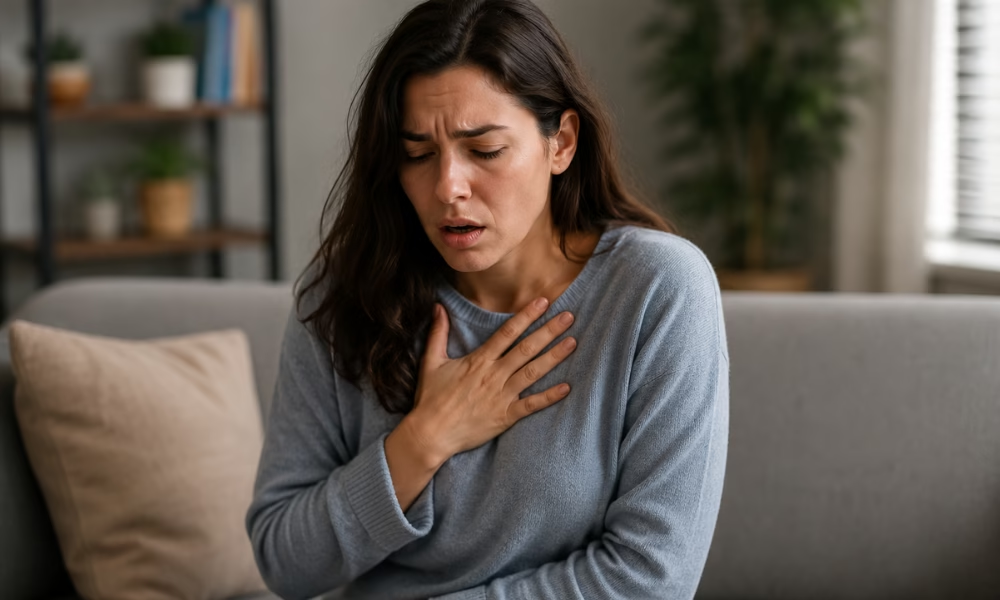
Feeling like you cannot get enough air during stressful moments can be unsettling. Many people start searching for answers to understand why does anxiety cause shortness of breath, especially when it appears suddenly without physical effort or a clear medical reason.
Anxiety can influence the body in powerful ways. When stress levels rise, the nervous system switches into a survival mode that affects breathing, heart rate, and muscle tension. This can create the sensation of air hunger, even when oxygen levels are normal and the lungs are functioning properly.
Mental health experts explain that this reaction is part of the body’s natural stress response. According to the American Psychological Association, anxiety can activate strong physical changes in the body that impact breathing and other systems. However, persistent or unexplained breathing difficulties should always be checked by a healthcare professional to rule out other conditions and ensure safety.
What Does Anxiety-Related Shortness of Breath Feel Like?
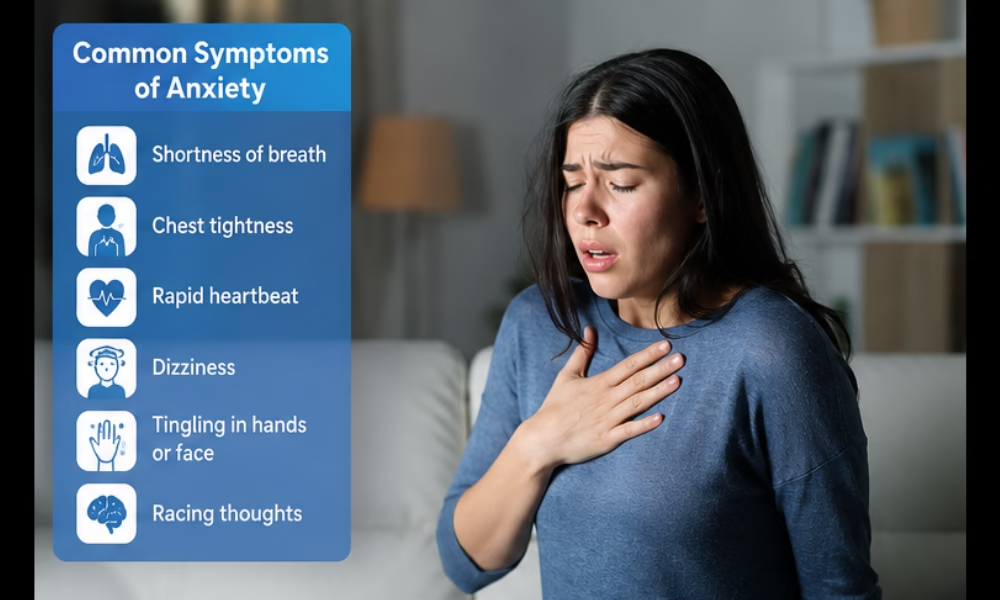
Anxiety-related shortness of breath often feels like you cannot take a full or satisfying breath, even though your lungs are working normally. It may come with chest tightness, faster breathing, or a strong urge to breathe deeper. These sensations usually appear during stress, worry, or panic.
Common Sensations People Experience
People often describe a mix of physical discomfort and breathing awareness. This includes chest tightness, rapid heartbeat, dizziness, and tingling sensations in the hands or face. These symptoms are linked to the body’s stress response and can feel stronger when you focus on your breathing.
How It Can Affect Daily Life
This symptom can interrupt normal activities such as working, studying, or social interactions. Some individuals begin avoiding crowded or stressful environments because they fear another episode.
For example, a person in a meeting may suddenly feel tightness in their chest and start breathing faster. This creates more anxiety, which makes breathing feel even more difficult.
Real-Life Situation
A student sitting in an exam hall may suddenly feel like they cannot get enough air. Their breathing becomes shallow, their heart races, and they worry something is wrong. Once they step outside, slow their breathing, and relax, the symptoms gradually settle.
This is commonly explained in our guide on Mental Health Awareness & Support, which explains how physical symptoms can appear during stress or panic. .
Anxiety-related shortness of breath occurs when stress activates the body’s fight or flight response, leading to rapid or shallow breathing. This creates a sensation of not getting enough air, even when oxygen levels are normal. It is usually temporary and improves when the body relaxes.
Why Does Anxiety Cause Shortness of Breath?
Anxiety causes shortness of breath because it activates the body’s fight-or-flight system. This system prepares the body for perceived danger by changing breathing patterns, even when there is no real physical threat.
Mind-Body Connection in Anxiety
Anxiety is not only mental but also physical. When stress increases, the brain signals the release of stress hormones like adrenaline. These chemicals affect breathing rate, muscle tension, and heart function, creating noticeable physical sensations.
How Anxiety Changes Breathing Patterns
During anxiety, breathing often becomes shallow and rapid. This can lead to hyperventilation, which reduces carbon dioxide levels in the blood. As a result, a person may feel dizzy, lightheaded, or unable to take a deep breath.
According to research highlighted by the National Health Service (NHS), anxiety can strongly influence physical sensations, including breathing changes and chest discomfort.
For example, a person under work pressure may suddenly notice their breathing becoming fast and uneven while sitting at their desk. Even though they are physically safe, the body reacts as if it is in danger.
Anxiety causes shortness of breath by activating the fight or flight response, which speeds up breathing and increases oxygen demand. This leads to shallow breathing and reduced carbon dioxide levels, creating dizziness and air hunger. The sensation is temporary and linked to stress, not lung damage.
How the Fight-or-Flight Response Affects Breathing
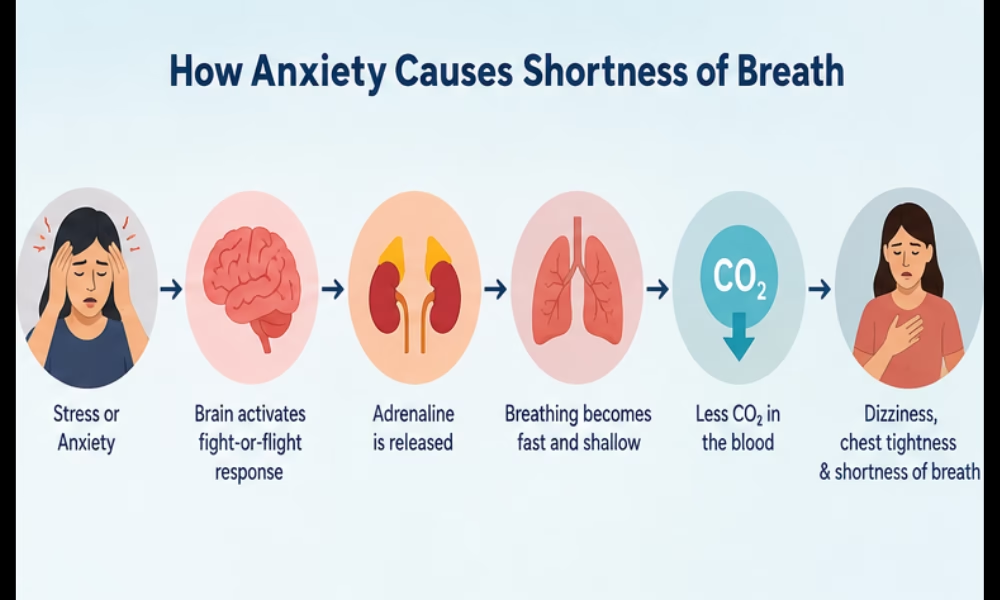
The fight-or-flight response is the body’s natural survival mechanism. It activates when the brain detects stress or danger and prepares the body to react quickly.
What Happens in the Fight-or-Flight Response
When triggered, the body releases stress hormones that increase heart rate and oxygen demand. Breathing becomes faster and shallower to prepare for action, even if the situation is not physically dangerous.
Why Breathing Becomes Difficult
Since most modern stress is emotional rather than physical, this reaction can feel uncomfortable. The body is ready for movement, but the person is usually sitting or standing still, which creates the sensation of not getting enough air.
Why Symptoms Can Continue After Stress
Even after the stressful situation ends, the nervous system may take time to calm down. This delay can keep breathing irregular for a few minutes, which makes symptoms feel longer than expected.
Research on stress physiology shows that the autonomic nervous system can remain activated even after a stress trigger is gone, which explains lingering symptoms like breathlessness.
Real-Life Situation
After receiving unexpected bad news, a person may notice their breathing stays fast even after the situation is over. It takes a few minutes of slow breathing and relaxation for the body to return to normal.
If you’d like to understand why the body reacts this way during stress, read our guides on how stress affects the body, which explain how the nervous system responds to emotional pressure.
The fight-or-flight response increases breathing rate by preparing the body for perceived danger. This causes shallow, fast breathing and reduced carbon dioxide balance, which leads to dizziness and breathlessness. Symptoms may continue briefly after stress ends because the nervous system takes time to return to normal.
If anxiety also causes a tight feeling across your chest, our guide on Why Does Anxiety Cause Chest Tightness Even When Nothing Is Wrong? explains why these symptoms often occur together.
Common Symptoms That Can Occur Alongside Shortness of Breath
Anxiety-related shortness of breath rarely appears alone. It usually comes with a combination of physical and emotional symptoms caused by the body’s stress response. These sensations can feel intense, but they are typically linked to temporary changes in breathing patterns rather than a dangerous medical condition.
Physical Symptoms
Common physical signs include chest tightness, rapid heartbeat, dizziness, and tingling sensations in the hands, face, or legs. These symptoms happen because anxiety increases alertness and changes how the body uses oxygen.
Some people also experience brain fog during anxious episodes. Learn why this happens in our article Can Anxiety Cause Brain Fog? Causes, Symptoms & How to Clear Mental Fog.
For example, a person speaking in front of a group may suddenly feel their chest tighten and notice their heart beating faster. This can make breathing feel more difficult, even though oxygen levels are normal.
Emotional and Mental Symptoms
Anxiety also affects thoughts and emotions. People may feel sudden panic, fear of suffocation, or the belief that something serious is happening. Concentration can become difficult because the mind focuses heavily on breathing sensations.
For instance, someone in a crowded place may start worrying about their breathing and feel overwhelmed, even though there is no physical danger.
Real-Life Example
A commuter on a busy train may suddenly feel lightheaded and think they cannot breathe properly. The fear increases their breathing rate, which makes the sensation stronger until they step out, calm down, and regulate their breathing.
If you’re looking for practical ways to calm your nervous system, explore our guide on Stress Relief Activities for Better Mental Health.
Anxiety vs. Medical Emergency: How to Tell the Difference
Anxiety can feel very similar to serious medical conditions, especially when breathing becomes difficult. The key difference is how symptoms behave over time and whether they improve with relaxation or continue to worsen.
| Anxiety Shortness of Breath | Medical Emergency |
|---|---|
| Appears during stress or anxiety | May occur without any emotional trigger |
| Often improves with relaxation and slow breathing | Usually continues or becomes worse |
| Oxygen levels are generally normal | Oxygen levels may be reduced |
| May include dizziness, tingling, rapid heartbeat, and fear | May include severe chest pain, blue lips, fainting, or coughing blood |
| Symptoms often lessen once the stressful situation passes | Requires immediate medical evaluation if symptoms are severe or persistent |
Signs That Suggest Anxiety
Symptoms linked to anxiety often appear during stress or emotional triggers and improve when the person calms down. Breathing may return to normal after slow breathing, distraction, or removing the stressful situation.
For example, someone preparing for an interview may feel breathless, but the sensation reduces once the situation passes.
Warning Signs That Need Immediate Medical Care
Some symptoms should never be ignored. Severe chest pain, fainting, blue lips or face, or persistent difficulty breathing may indicate a medical emergency rather than anxiety.
According to the Mayo Clinic, sudden or unexplained shortness of breath combined with chest pain or dizziness should be evaluated immediately.
When to Contact a Healthcare Professional
Even if symptoms are mild, it is important to seek medical advice if shortness of breath is new, frequent, or unexplained. A healthcare professional can help rule out conditions such as asthma or heart-related issues.
For additional guidance, the NHS anxiety disorder guide recommends getting evaluated when breathing changes affect daily life or cause ongoing concern.
What Triggers Anxiety-Related Breathing Problems?
Anxiety-related breathing issues often start after specific emotional, lifestyle, or environmental triggers. These triggers activate the body’s stress system, leading to changes in breathing patterns and physical sensations.
Emotional Triggers
Stress, panic attacks, and constant worry are among the most common emotional triggers. When emotions intensify, the body reacts automatically by increasing breathing rate and muscle tension.
For example, someone thinking about financial problems late at night may suddenly notice their breathing becoming shallow and irregular.
Lifestyle Triggers
Daily habits can also influence anxiety symptoms. Caffeine may increase heart rate and make breathing feel more noticeable. Lack of sleep reduces emotional control, making the body more reactive to stress. Smoking and alcohol can also worsen physical sensations.
For instance, drinking several cups of coffee on an empty stomach may lead to jitteriness and mild breath awareness.
If you’ve noticed that coffee makes your breathing worse, read Can Caffeine Trigger Panic Attacks? to understand how caffeine affects anxiety symptoms.
Medical and Environmental Factors
People with existing anxiety disorders may experience symptoms more frequently. Crowded spaces, public transport, or high-pressure environments such as exams or presentations can also trigger breathing discomfort.
A student entering an exam hall may suddenly feel tightness in the chest due to nervous anticipation.
How to Relieve Shortness of Breath Caused by Anxiety
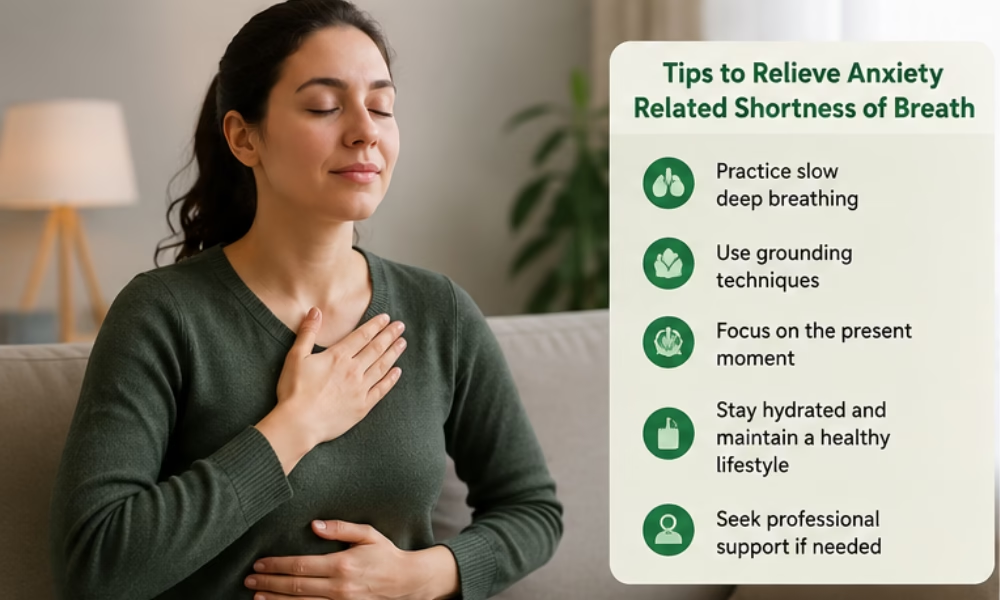
Shortness of breath caused by anxiety can often be managed by calming the nervous system. The goal is to slow down breathing patterns and reduce physical tension so the body can return to a normal state.
Breathing and Grounding Techniques
Slow breathing exercises, such as inhaling through the nose and exhaling slowly through the mouth, can help restore balance. Grounding techniques, like focusing on surrounding objects, can also shift attention away from breathing sensations.
For example, a person feeling panicked in public may focus on counting objects around them to regain control.
Calming the Nervous System
Relaxation methods such as mindfulness, progressive muscle relaxation, or gentle stretching can reduce physical tension. These techniques signal the brain that the body is safe.
Long-Term Support Options
For recurring symptoms, therapy such as cognitive behavioral therapy can help address thought patterns that trigger anxiety. In some cases, healthcare providers may recommend additional support depending on symptom severity.
You may also benefit from reading Mental Health Awareness & Support, which explains how understanding anxiety improves long-term coping strategies.
Long-Term Ways to Prevent Anxiety-Related Breathing Issues
Preventing anxiety-related shortness of breath involves building habits that support emotional and physical balance. Over time, these habits can reduce how often symptoms occur.
Healthy Daily Habits
Regular sleep, balanced nutrition, and physical activity help regulate stress hormones. Exercise in particular supports better breathing control and reduces overall anxiety levels.
For example, a person who starts daily walking may notice fewer episodes of breathlessness during stressful situations.
Managing Stress Early
Stress management techniques like journaling, meditation, or structured routines can prevent anxiety from building up. Small changes in daily habits can make the nervous system less reactive over time.
Learning simple breathing exercises can help stop anxiety before symptoms become overwhelming. See our guide on Breathing and Grounding Exercises for Sudden Anxiety.
Identifying Personal Triggers
Understanding personal triggers is important for prevention. Tracking situations that lead to symptoms can help individuals avoid or better manage stressful environments.
To better understand anxiety and recognize early warning signs, read our guide on Education and Awareness in Mental Health.
When Should You See a Doctor?
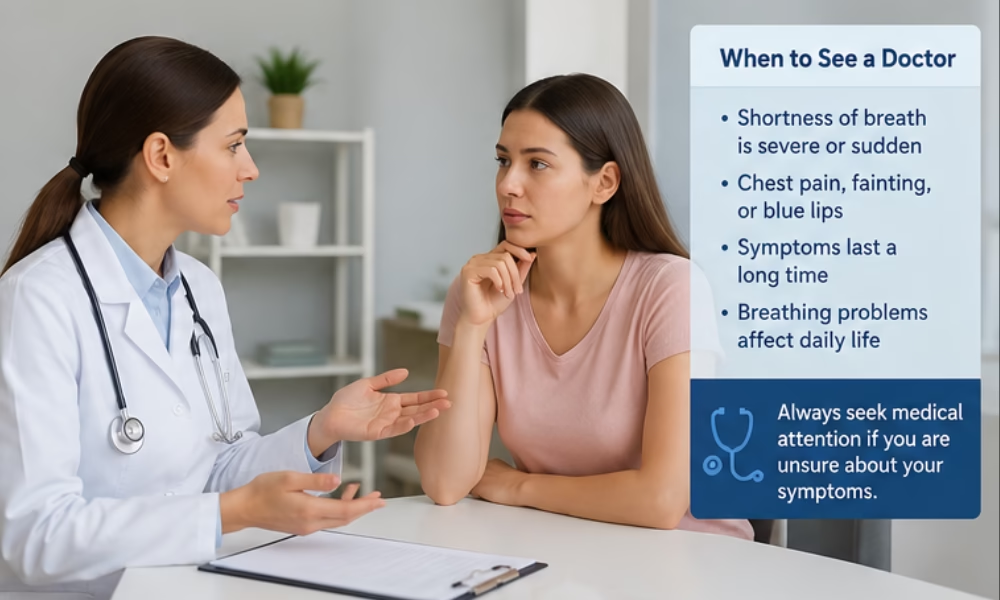
Shortness of breath linked to anxiety is usually not dangerous, but it should not be ignored when symptoms are new, severe, or persistent. The key is understanding when it may be something more than anxiety.
If breathing difficulty happens frequently, lasts a long time, or appears without any clear emotional trigger, it is important to get a medical checkup. This helps rule out conditions such as asthma, heart issues, or other respiratory problems.
If your breathing symptoms are accompanied by ongoing dizziness, you may also find our article How to Manage Dizziness From Anxiety helpful. According to the NHS, anyone experiencing unexplained or ongoing breathing problems should seek medical advice, especially if symptoms interfere with daily life or worsen over time.
Frequently Asked Questions
1. Can anxiety really cause shortness of breath?
Yes, anxiety can cause shortness of breath by activating the body’s stress response, which changes breathing patterns and creates a feeling of not getting enough air.
2. Is anxiety shortness of breath dangerous?
In most cases, it is not dangerous. However, if symptoms are severe, persistent, or unexplained, medical evaluation is important.
3. How long does anxiety-related shortness of breath last?
It usually lasts a few minutes to around 20 minutes, especially during panic or high stress. It improves once the body calms down.
4. Can anxiety make you feel like you are suffocating?
Yes, anxiety can create a false sensation of suffocation due to rapid breathing and increased body awareness, even when oxygen levels are normal.
5. What helps stop anxiety-related shortness of breath quickly?
Slow breathing, grounding techniques, and focusing on relaxation can help calm the nervous system and restore normal breathing.
6. Can lifestyle changes reduce symptoms?
Yes, regular exercise, good sleep, reduced caffeine intake, and stress management can significantly reduce symptoms over time.
7. When should I worry about breathing problems?
You should seek medical help if shortness of breath is severe, sudden, persistent, or accompanied by chest pain, fainting, or blue lips.
Conclusion
Understanding why does anxiety cause shortness of breath can make this experience less frightening. In most cases, it is the body’s natural response to stress rather than a sign of physical harm. When the nervous system becomes overactive, breathing changes temporarily, creating uncomfortable but manageable symptoms.
The good news is that these symptoms often improve with relaxation techniques, lifestyle changes, and better stress management. However, it is always important to listen to your body and seek medical advice when symptoms feel unusual or persistent.
With the right awareness and coping strategies, anxiety-related breathing problems can become easier to recognize, manage, and reduce over time.
Key Takeaways
- Anxiety can create real physical sensations like shortness of breath, even when oxygen levels are normal.
- The body’s fight or flight response is the main reason breathing becomes fast, shallow, or uncomfortable during stress.
- Symptoms often include chest tightness, dizziness, rapid heartbeat, and a feeling of “air hunger.”
- Anxiety breathing issues usually improve when stress reduces or calming techniques are used.
- It is important to distinguish anxiety symptoms from medical emergencies like heart or lung conditions.
- Persistent, severe, or unexplained breathing problems should always be checked by a healthcare professional.
- Long-term improvement comes from stress management, healthy routines, and understanding personal triggers.
Related Reading
How to Reset Your Mind After a Panic Episode
Why Does My Anxiety Get Worse at Night?
Can Anxiety Cause Chest Pain When Lying Down?
Why Does Anxiety Cause Tingling?